A. Blastn ; for query sequence identification, find similarity in database or compare 2 input sequence directly. Blastn is more sensitive than megablast is that it uses a shorter default word size (~11 nucleotides) at finding alignments to related nucleotide sequence from other organisms. The short sequence is adjustable in blastn.Typical use; Mapping oligonucleotide, cDNA and PCR products to genome; screening repetitive elements; cross-species sequence exploration; annotating genomic cDNA; clustering sequencing reads; vector cliping.
B. Blastx ; nucleotide query-protein database. Blastx uses to find similar protein to translated query in a protein database. It compares translational products of nucleotides query sequence in all 6 reading frames and provides combined significance statistics for it to difference frames, particularly, useful when the reading frame of query is unknown or contains errors that may lead to frame shifts or other coding error.Typical use; Finding protein-coding genes in genomics cDNA; determining if a cDNA corresponds to a known protein.
C. tblastx ; nucleotide query-translated database. tblastx uses to find similar proteins to translated query in translated database. It take a nucleotide query sequence translates it in all 6 frames and compare those translation to database sequence dynamically translated in all 6 frames. It get around the potential frame-shift and ambiguities which may present open reading frames from being detected. It can be good tool for identifying novel genes.Typical use; Cross-species gene prediction at the genome or transcript level; searching for gene missed by traditional methods or not yet in protien database.
A. Blastp ; protein query-protein database. It uses to identify query amino acid or find sequence in database similar to the query.Typical use; Identify common regions between proteins; collecting related proteins for phylogenetic analyses.
B. tblastn ; protein query-translated database. It uses to find similar proteins a translated nucleotide database which is useful for finding protein homologs in unannotated nucleotide database. This program compare protein sequence to 6 frames translation of nucleotide database.Typical use; Identify ttranscript, potentially from multiple organisms; similar to a given protein; mapping a protein to genomic DNA.
C. PSI-blast ; It uses to find members of a proteins family or build a custom position specific score matrix. It is the most sensitive blast program which is useful for finding very distantly related proteins when blastp search either failed to find significant.
PART B; Alignment
Interested Sequence
TCTGAGCTGACTCAGGACCCTGCTGTGTCTGTGGCCTTGGGACAGACAGTCAGGATCACATGCCAAGGAG
ACAGCCTCAGAAGCTATTATGCAAGCTGGTACCAGCAGAAGCCAGGACAGGCCCCTGTACTTGTCATCTA
TGGTAAAAACAACCGGCCCTCAGGGATCCCAGACCGATTCTCTGGCTCCAGCTCAGGAAACACAGCTTCC
TTGACCATCACTGGGGCTCAGGCGGAAGATGAGGCTGACTATTACTGTAACTCCCGGGACAGCAGTGGTA
ACCATGTGGTATTCGGCGGAGGGACCAAGCTGACCGTCCTA
Homo sapiens clone 03-015 anti-SARS-CoV immunoglobulin lambda light chain variable region, 321 bps long
From Molecular and Biological Characterization of Human Monoclonal Antibodies Binding to the Spike and Nucleocapsid Proteins of Severe Acute Respiratory Syndrome Coronavirus (SARS)Sequence was aligned by blastn, blastx and tblastx
Blast packages are available on NCBI website.

Each step in each blast tools (click below)
PART C;The first hit from each blast style.
Blastn
gi|15028439|gb|AF394237.1| Synthetic construct clone H2
anti-mouse L1 scFv antibody mRNA,partial cds Length = 729
Score = 636 bits (321), Expect = e-180
Identities = 321/321 (100%)
Strand = Plus / Plus
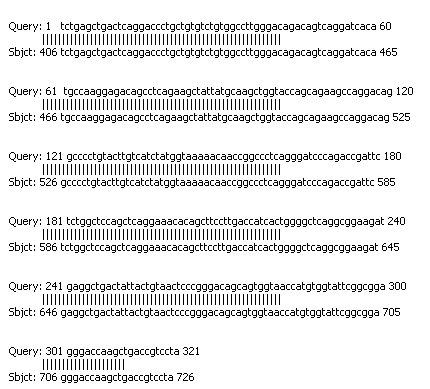
The first hit from blastn.
The strength and the weakness
blastn uses a shorter default query at finding alignments to related nucleotides sequences from other organisms. The sequence is adjustable in blastn and can be reduced from the default values to increase search sensitivity. However, blastn alignment is more difficult to interpret when a query sequence is searched against a database, both strands of the query are examined.
Blastx
gi|1340166|emb|CAA43821.1|
Ig lambda-chain V-region [Homo sapiens]
gi|106664|pir||S19663
Ig lambda chain V region (clone alpha-BSA3) - human
Length = 109
Score = 219 bits (558), Expect = 2e-56
Identities = 107/107 (100%), Positives = 107/107 (100%)
Frame = +1
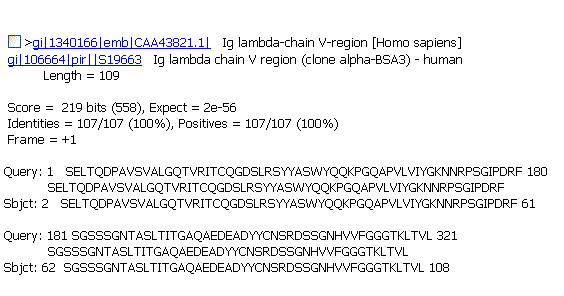
The first hit from blastx
The strength and the weakness
blastx translates the query sequence in all 6 reading frames for hits to difference frames, it is particularly useful when the reading frame of the query is unknown.
tblastx
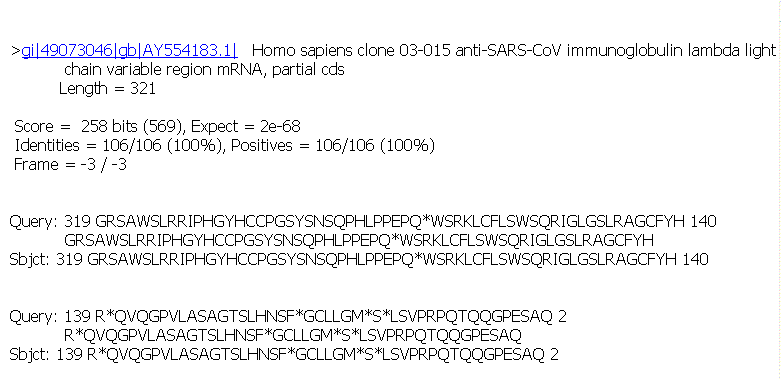
The first hit of tblastx
The strength and the weakness
tblastx translates query sequence in all 6 frames and compares to database which effectively performs a more sensitive without doing the manual translation.
PART D; Summary
The result from first hit in blastn show that the query sequence similar to Synthetic construct clone H2 anti-mouse L1 scFv antibody sequence. The result from blastx similar to human Ig lambda-chain V-region [Homo sapiens] and the last result similar to human clone 03-015 anti-SARS COV immunoglobulin lamda light chain variable region.
From the result, tblastx give exactly result from alignment it compares between amino acid sequence from 6 reading frame of query sequence and amino acid sequence from 6 reading frame of nucleotides sequence in database. But program selection depend upon the nature and sizes of the query sequence and the primary goal of the search.