 |
 |
| Forensic Science Crime Fighting Tools |
 |
| DNA |
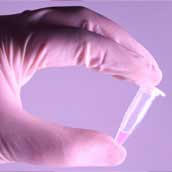
| DNA is a frequently used forensic tool. It is one of the most reliable types of biological evidence that is used. Because DNA holds peoples genetic makeup (such as hair color, eye color, ect.), forensic scientists can prove that it is you, especially since you are the ONLY carrier of that specific DNA. No one else in the world has the same DNA as you. |
| Trace Evidence |
| Trace evidence is used very frequently as well. Although tarce evidence can include objects such as hair strands, fibers, soils, GSR (gun shot residue)/explosion residue, along with arson evidence. Trace evidence can vary between all of those objects, and it is possible to show the presence of a suspect at a crime scene. Mainly all of these objects are left behind due to friction and force. |
| Toxicology Evidence |
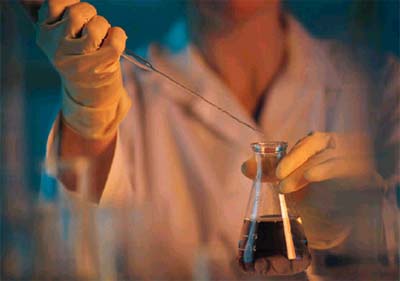
| Toxicology evidence can be huge in some cases because it could have been a cause of the crime or accident. Tox evidence is the liquids, fluids, ect. that are extracted from the body and sent over to the toxicology lab in order be tested for alcohol, drugs, ect. in the blood stream/system. This can tell a lot about a crime and the suspect. For instance if there was a car accident, the cause of the accident could have been DUI, and tox would have located alcohol in the bloodstream. |
 |
| Bones/Bodies |
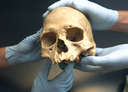
| During an investigation the main portion of the crime evidence is the body, whether skin tissue remains or not. Without the body you cannot determine TOD (time of death) or COD (cause of death), which is a very important part of a crime (if its a murder of corse). These bodies/bones can determine and conclude so much about a case. This is extremely important evidence. |
 |
 |