
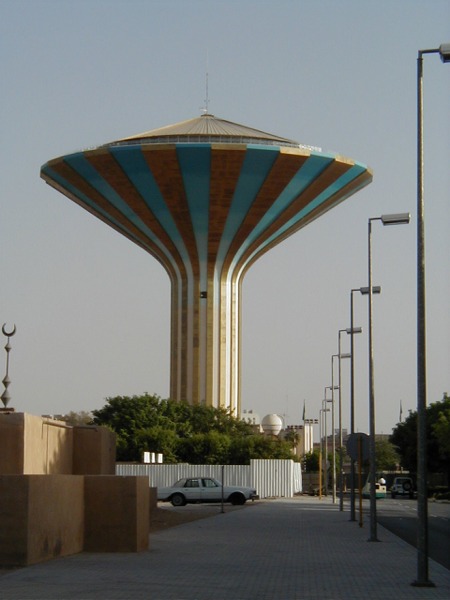

All of this beauty is soon forgotten when the call of a seagull is heard. Immediately the car plunges 13 stories straight down, accelerating to almost 120 miles-per-hour. Then the ride begins to slow, gently bringing the cars to a complete stop.
As simple as it seems to design and build a vertical drop ride (VDR), it took years of hard labor to develop the 23 second ride. What you see in the image above is the culmination of years of hard work, numerous hours of research and design, trial, and unfortunately, some error.
Making a Vertical Drop Ride (VDR) is difficult, and no one knows whether or not a ride will truly work until a working model is built. The engineers thus designed and built a 1:3 scale model of the Seagull Drop, then kept secret as Project Making a 13 story vertical drop ride called Seagull Drop. The secret name was to keep competitors in the dark.
Though Olaf Svagenheight personally oversaw the whole project, the scale model had several problems. The main being that it was too scale. Instead of having three sets of three brakes, as the true ride has, the model had one set of one third of a brake. This "brake" had one third of the brake fluid it needed. Thanks to the hard work of Oysterland Security, the debacle was kept under wraps. Though the final product was a shining success to modern engineering, and there has never been an accident involving this or any other ride, Oysterland Security rigorously keeps information regarding this accident under wraps to avoid negative crowd reactions.
We assure you that we are, and always will be, committed to the safety of the park, its rides, and its patrons.
Last Updated - February 1st 2005