Ortaköy Şapinuva' nın Konumu...
Ortaköy-Hitit Kenti, Çekerek
Nehri'nin bir kolu olan Özderesi Vadisi'nin kuzey yamaçlarındaki
sekiler halinde uzanan bir plato üzerinde, yaygın ve düz
yerleşme olarak karşımıza çıkmaktadır. Hitit insanı burada
mevcut ve yerli halkın yaşadığı höyükler üzerinde yerleşmemiş,
geniş düzlük bir arazide Doğu-Batı yönünde 3 km, Güney-Kuzey
yönünde 2.5 km. büyüklükte bir şehir meydana getirmiştir.
Şapinuva Hitit Şehri'nin stratejik konumu fevkalade
önemlidir. Bu şehrin etrafında yer alan dağlar, Amasya Ovası'nda
sekiler halinde yükselen plato, 5 km. uzakta başlayan ön savunma
tesisleri burayı savunması kolay bir mevki haline getirmiştir.
Alaca ve Amasya Ovaları'nı bağlayan kilit bir noktada bulunan,
savunması kolay bu şehir, ayakta kaldığı sürece Boğazköy-Hattuşaş'
a uzanan yolları emniyet altında tutmakta, Boğazköy'e iki günlük
mesafede bulunmaktadır. Şehrin batısında yer alan tepeler
üzerinde, yukarı şehrin askeri ve dini mimarisinden izler
bulunduğu gibi, antik şehrin su gereksinimi ve orman ürünleri
ihtiyacı da bu tepelerden sağlanmaktaydı.
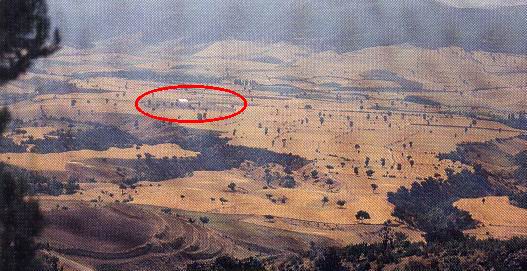
Ortaköy Hittite
City is a flat and extensive settlement situated on the plateau
stretching as terraces on the northern slopes of the Valley of
Özderesi, a tributary of the Çekerek River. the Hittites did not
settle on the mounds where the locak people of the region had
been living, but created a city on a large, flat land which is 3
kms. in the east-west direction and 2,5 kms. in the north-south
direction. The strategic location of Şapinuwa is very important.
The mountains surrounding the city, the plateau ascending in
terraces on the Amasya Plain, and the fortification facilities
starting as far as 5 kms. enable the city to be easily
defendable. Since the city has a key location in between Alaca
and Amasya plains, as long as the city, which is two-days
distance from Hattuşaş, stands still, the roads to Boğazköy-Hattuşaş
are under control. As well as there are traces of military and
religious architecture of the upper city on the hills to the
west, the need for water and timber were being supplied from
these hills.


|