 |
|
|
|
|
|
|
|
|
|
|
|
|
|
|
|
|
|
|
|
|
|
|
|
|
|
|
|
|
|
|
|
|
|
|
|
|
|
|
|
|
|
|
|
|
|
|
|
|
|
|
|
|
|
|
|
|
|
|
|
|
|
|
|
|
|
|
|
|
|
|
|
|
|
|
|
|
|
|
|
|
|
|
|
|
|
|
|
|
|
|
learned behaviors |
|
|
| Not all of the behaviors you see captive orcas and dolphins doing is natural. some of their behaviors are learned or exagerated. behaviors such as spins and flips are not natural behaviors to orcas. spins are natural how ever to spinner dolphins, pacific whitesided dolphins, and dusky dolphins, which all of them are related to the orca. This page will help you to distinguish learned behaviors with captive orcas. Not all behaviors in the wild are natural though,but they are still considered as much because they are wild orcas who are doing the behaviors. |
|
|
| examples of learned behaviors: |
|
|
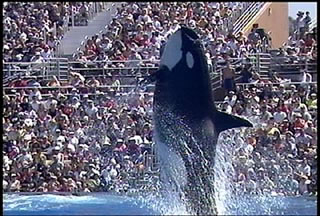
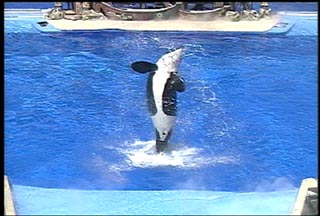
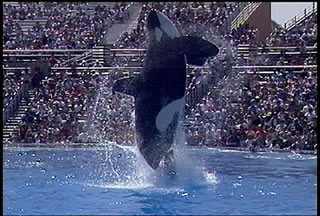
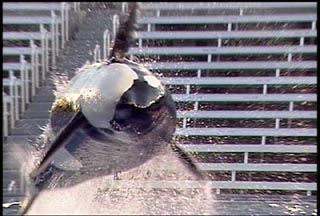
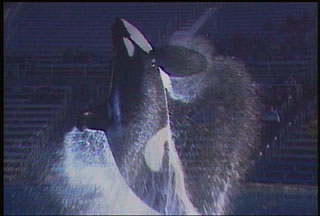
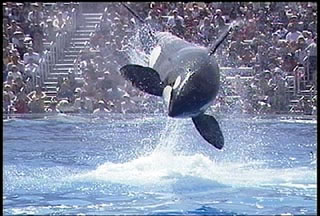
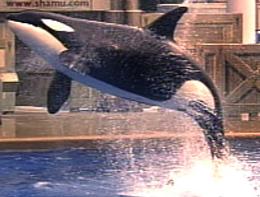
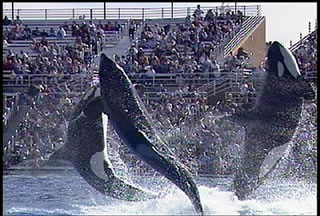
| SPINNING: this behavior is not at all natural , but they originate it from exagerated spyhops. this behavior is however natural to spinner dolphins and a few other smaller species of dolphins. spinning comes in 2 forms. the 1st form is the virtical spin, when the orca or dolphin spins on her or his flukes. the 2nd form is the horozontal spin where the orca leaps clear of the water and spins sideways in mid- air. |
|
|
 |
|
 |
|
 |
|
 |
|
|
|
|
 |
|
|
|
|
|
|
|
 |
|
|
|
|
|
|
|
 |
|
|
|
|
|
|
|
|
 |
|
|
|
|
|
|
|
|
|
|
|
|
|
|
|
|
|
|
|
|
|
|
|
|
 |
|
|
more photos |
|
|
|
|
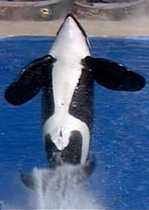
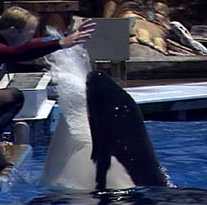
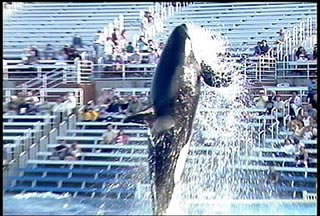
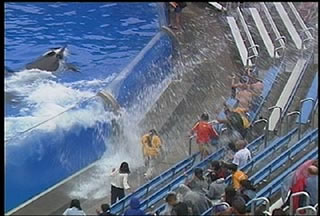
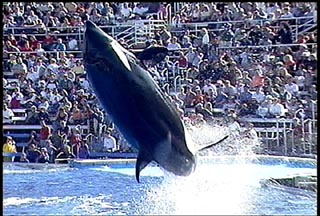
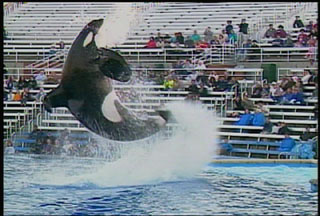
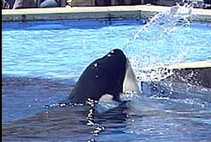
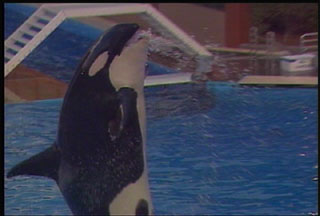
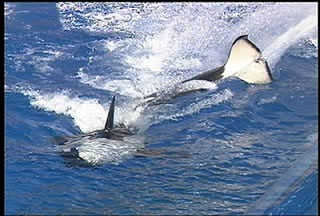
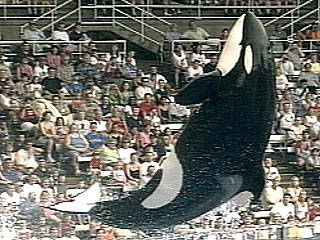
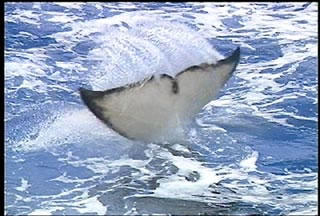
THROWING WATER: this behavior comes in 5 different forms. 1st is when the orca or dolphin sucks in water and spits it on to a person. 2nd is a "rocket leap" streight up into the air and releases sprays of water. 3rd is a another leap into the air and then the orca "kicks" up water with his or her flukes. the 4th form is when an orca swims on his or her side and starts splashing water on to the crowd with their flukes. the 5th form is throwing water with the entire body submurged except for the flukes. throwing water is close to natural behavior in some of the forms such as "form 4" some wild orcas do tend to splash or thrash water at times during social events, but it usually doesnt lay on its side and do so. |
|
|
|
 |
|
 |
|
 |
|
|
|
 |
|
|
 |
|
 |
|
|
 |
|
|
|
|
 |
|
|
|
|
|
|
|
|
|
|
|
|
|
|
|
|
|
|
|
|
|
|
|
|
|
|
|
|
|
|
|
|
|
 |
|
|
 |
|
|
 |
|
|
|
|
|
more photos |
|
|
|
|
|
|
|
|
|
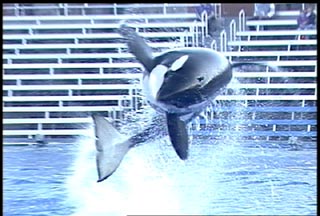
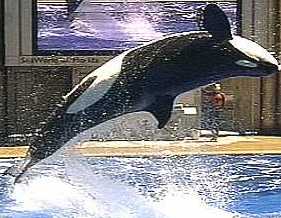
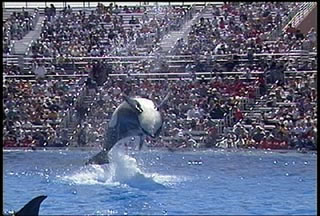
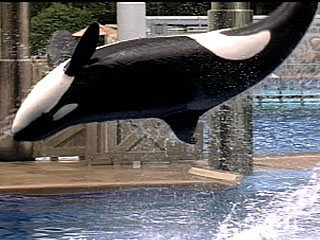
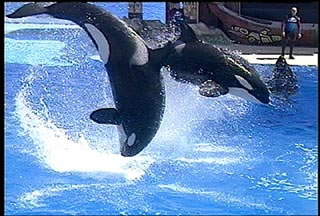
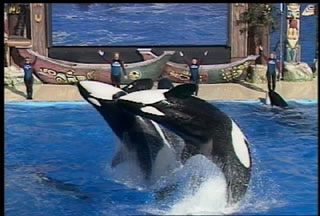
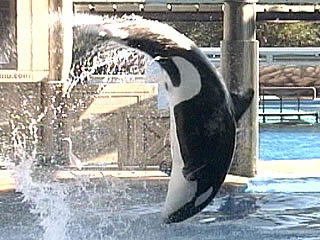
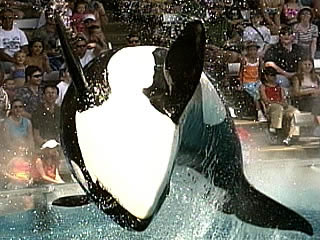
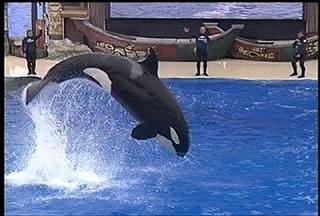
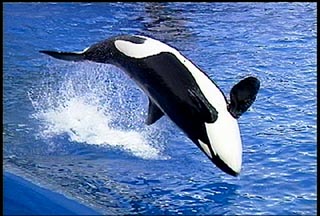
FLIPS: one of the most amazing things to see is an orca do a 180 degree back flip or a 360 degree front flip. yet again these 2 behaviors are unnatural to the orca's lifestyle. there is no longer an orca that can do a full 360 back flip. why this is is possibly because of their size, but yet winnie ,who once lived at seaworld texas, was the only orca in the world able to complete a full 360 back flip. she died on april 11th of 2002. the only way i can see how these animals learn how to flips is by 2 of their natural behaviors that have been extreamly exagerated. the front flips come from a bow leap or A.K.A a porpoise leap. the back flips are from back leaps, back splashes or back flops to where the orca only lifts half of his or her body out of the water and lands on it's back, greatly different from thier learned back flips. |
|
|
|
 |
|
|
|
 |
|
 |
|
|
|
|
|
 |
|
 |
|
 |
|
 |
|
|
|
|
|
|
|
 |
|
|
|
|
|
|
|
|
|
|
|
|
|
|
|
|
|
|
|
|
|
|
|
|
|
|
|
|
|
 |
|
|
more photos |
|
|
|
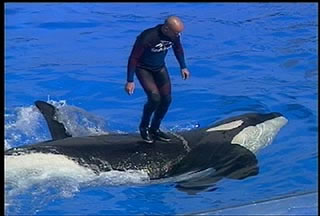
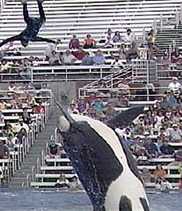
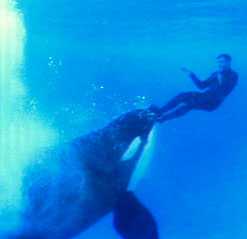
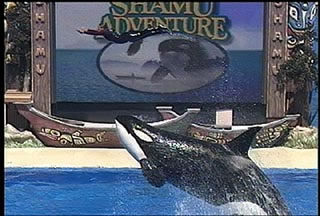
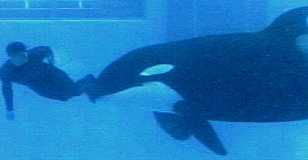
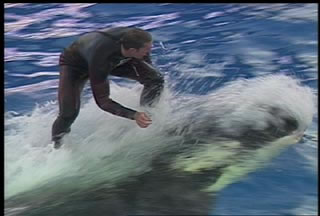
| WATER WORKS: orcas in the wild are very weary of humans. in the orca shows u see trainers working and swiming with the orcas. these are all learned behaviors and the orcas have to also learn to not get over excited when their trainers enter the water with them. this is because if the orcas get excited they are more then likely able to harm or kill its trainer by mistake. they dont want to kill any humans but they are very large and strong. just like when u are playing with a dog and they end up getting to rough and by mistake they could either screatch,bite or push you over and hurt you when all they were doing is playing. trainers keep this from happening by using very trusted orcas, orcas that they work with more then others or keep it to where the orca pays more attention to the trainer or trainers that are on the performance stage. if u were to swim with orcas in the wild you would possibly be at risk of either getting bullied around by a bull orca or worse by an angery mother cow orca. but it is also possible you would just scare them off. this all depends on what type of orcas they are, which orcas are in that clan and what the orcas are going. swimming with orcas with out a perfessional or with out ur self being a perfessional is strongly unadvised. |
|
|
 |
|
|
 |
|
|
|
 |
|
|
|
 |
|
 |
|
 |
|
|
|
|
|
|
|
|
more photos |
|
|
|
|
|
|
|
|
|
|
|
|
|
|
|
|
|
|
|
|
|
|
|
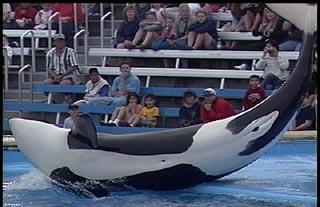
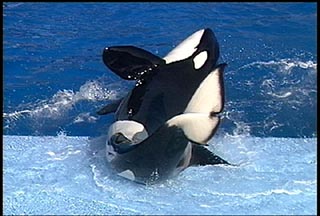
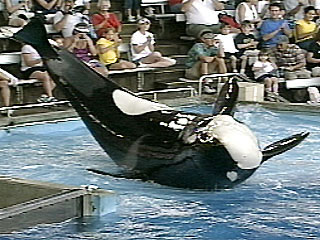
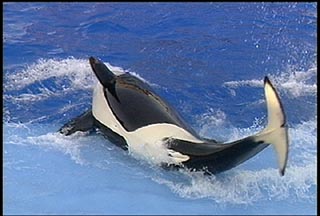
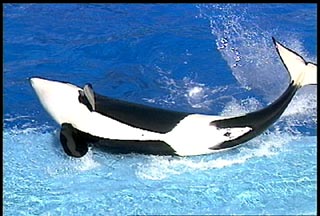
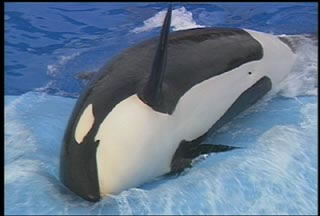
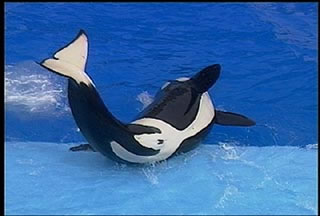
| BEACHSPINNING: been spinning is an exagerated behavior that originated from beaching or stranging, which orcas and some other dolphins do to catch certain prey. this behavior is where the orca slides on to the stage sideways and then spins itself by pushing its weight with its tailstock and flukes. this is a completely unnatural behavior. |
|
|
|
 |
|
 |
|
|
 |
|
|
 |
|
|
 |
|
|
|
|
|
|
|
 |
|
 |
|
|
|
|
|
|
|
|
|
|
|
|
|
|
more photos |
|
|
|
|
|
|
|
|
|
|
|
|
|
|
|
|
|
|
|
|
|
|
|
|
|
|

|
|
next page |
|
|