 |
 |
 |
 |
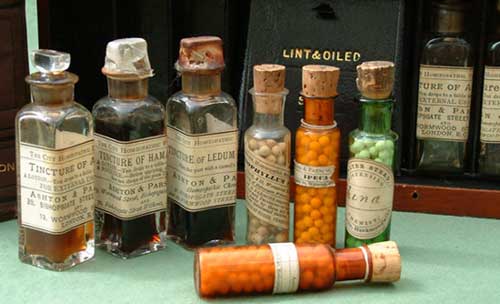 |
| Psoriasis Overview of Psoriasis Psoriasis is a recurrent skin disorder. It is varcharacterized by fluctuations in the appearance of scaly, red patches of skin. The areas most commonly affected include the skin of the scalp, elbows, knees, chest, back, arms, legs and fold between the buttocks. Frequently, abnormalities of the nail may also occur. About 10% of people that develop Psoriasis will eventually develop arthritis. Psoriasis typically has an onset in late childhood or young adulthood and continues throughout life. It is most common in white-skinned people. Causes of Psoriasis The cause is unknown. The disease develops from a genetic predisposition that speeds up the life cycle of the skin cells. It may be an autoimmune disorder. Signs and Symptoms of Psoriasis Psoriasis produces dry, red patches of skin. They often have silvery scales. The underlying skin may crack and become painful. The patches are most commonly found on the elbows, knees, trunk and scalp. Frequently, the nails become involved, forming pits and ridges on the nail's surface. Pain and swelling of the joints may occur. These may affect the joints of the fingers, the extremities or the back. Homoeopathy stimulates body�s own healing process - Homoeopathy works at root level and restores deviated immunity back to normalcy. - Homoeopathy working at root level has effective therapeutic measures to nullify genetic tendencies and their off-shoots in the form of disease. - Homoeopathy has long recognized the influence of emotions and stress at the base of various bodily diseases and has gentle and effective medicines to influence psyche of the person positively. - Homoeopathy uses natural medicinal substances in ultra-minute quantity rendering a treatment that is extremely effective yet absolutely free from any side-effects whatsoever. In short, homoeopathy treats the cause and not merely the symptoms of the disease. As a result, homoeopathy treats the disease and does not merely suppress the portrait of disease. Psoriasis is a deep-seated and obstinate skin condition. Hence the treatment is usually long-term. The total length of treatment varies form case to case, depending of various factors such as: (a) the duration of lesions (b) the extent of spread of the disease (c) the general health of the patient. On an average, one may expect a definite change in about three to five months, depending on the extent. The total length of medication may be anything between six months to two years or so. unlike allopathic medicines where the cases are mananged with steroids giving palliation to the symptoms, suppressing the diseases deep inside the body, homoeopathic medicines, depending upon case, gives best results without side effects. |
 |
|
|
|
|
|
|
| �2006.All rights reserved by online indian homoeopath Dr.Kashmira Patel, Baroda, Gujarat, India |