Menopause
Overview of Menopause
Menopause is the stage of a woman's life where the ovaries no longer produce sufficient estrogen to maintain normal menstrual cycles. If often begins with menstrual irregularities, and ends in the permanent cessation of menstruation. It occurs most commonly somewhere between 40 and 55 years of age. Some women just stop menstruating, with no suggestion of irregularities. Changes in the levels of circulating estrogen are responsible for many of the symptoms associated with menopause. In addition, women normally make a small amount of testosterone in the ovary. This is also affected, sometimes leading to decreased libido.
Causes of Menopause
Menopause is caused by a normal decline in ovary function. This results in decreased levels of the female hormones, estrogen and progesterone. In addition, the ovaries normally produce a small amount of testosterone. This hormone may also be reduced, sometimes associated with decrease libido, or interest in sex. The surgical removal of both ovaries also causes menopause.
Signs and Symptoms of Menopause
Symptoms include physical changes associated with decreased blood levels of female hormones. Hot flashes develop. These are usually sudden reddening of the face associated with a warm sensation. The vaginal lining gradually thins and their is less vaginal lubrication. This leads to painful sexual intercourse. Vaginal itching, burning and recurrent vaginal infections may occur. Headaches, dizziness, ringing in the ears and rapid or irregular heart beats may occur. Mood changes develop and their is an increase in the tension and anxiety people perceive. Difficulties with sleeping develop and there is often depression and melancholy. Fatigue is common. Bloating in the abdomen can occur. Breast tenderness may develop. There may be menstrual cycle problems like heavy / profuse menses or irregular menses or long lasting menses.
During the menapause period, there are slight problems due to hormonal changes which may be adapted by some females and might not require medication. But when the problems are severe causing disturbances in normal equilibrium of health, it calls for medication.Most of these are treatable with some counselling & medicines.
Hormone replacement therapy (HRT)is often used but the pros & cons of HRT are still debatable.But by far the most severe problem is irrregular menses with very heavy bleeding which does not stop without the help of hormonal treatment. Often the patients are advised a biopsy to rule out a cancer (which is absolutely the right thing to do), but the biopsy reports often point to a hormonal cause. The patient is then subjected to a currettage & put on a course of contraceptive pills all with the aim of controlling the bleeding but the problem ususally recurrs within 2-3 months. As a last resort the patient is then advised removal of the uterus.
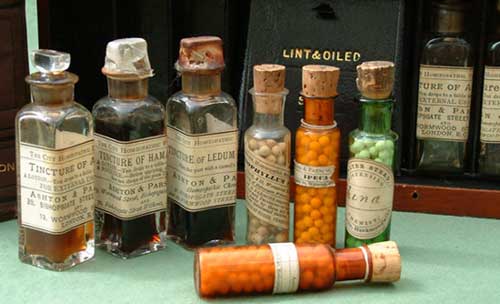
However, homeopathic treatment can often avoid the surgery apart from curing the other above mentioned problems without the use of HRT. All the hormonal changes taking place in an individual are mainly mental changes, apart from few physical ones. homoeoapthy gives medicines on individualisation,hence proper history is must. the medicines give best results without side effects.
|