 |
|
|
|
|
|
|
|
|
|
|
|
|
|
|
|
|
|
|
|
|
|
|
|
|
|
|
|
|
|
|
|
|
|
|
|
|
|
|
|
|
|
|
|
|
|
 |
|
|
|
 |
|
|
|
 |
|
|
|
|
|
|
|
|
Sankhya |
|
|
|
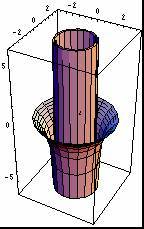
Avikriti Form.
The Purusha form changes by breaking synchrony to form the detectable nuclear state and its harnonic.. The first harmonic at half the oscilattory rate is the electon or leptonic state around the stable nucleus. Due to non synchrony the leptonic states "spin" |
|
|
 |
|
|
|
|
|
|
|
|
|
 |
|
|
|
|
|
|
|
|
|
|
|
|
|
|
|
|
|
|
|
|
|
 |
|
|
|
|
|
|
|
|
|
|
|
|
|
|
|
|
|
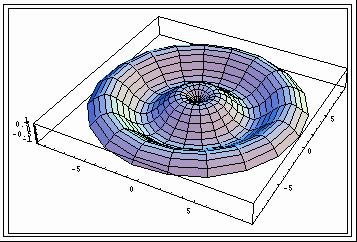
The Vikriti form. Of seven harmonics forming the electromagnetic spectrum. It is the weak, EMF interaction spectrum |
|
|
|
|
|
|
|
|
|
 |
|
|
|
|
|
|
|
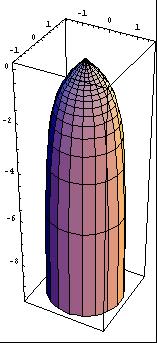
The Purusha Andhatamishra form. The entire nuclear core acts as an unified mass to form the blackhole statre. The three phases of interactive states are all shown here diagramatically. |
|
|
|
|
|
|
|
|
|
Sankhyakarika: Unified Theory. |
|
|
|
|
|
|
|
|
|
|
|
|
Bookk of 500 pages |
|
|
|
|
|
|
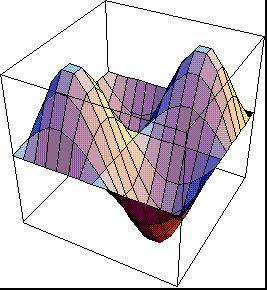
The Vikaro form..
It indicates 3 degrees of freedom or the radiant transmigratiom state of neutrino states. Seven of these form the photon spectrum |
|
|
|
|
|
 |
|
|
|
|
|
|
|
|
|
Name: |
|
G.Srinivasan |
|
|
|
|
|
|
|
|
|
|
|
[email protected] |
|
|
|
|
|
|
Email: |
|
|
|
|
|
|
|
|
|
|
|
|
|
|
|
|
|
|

|
|
|
|
|
|
|
|
|
|
|
|
 |
|
|
|
|
|
|
|
|
|
|
|
|
|
|
|
|
|
|
|
|
|
|
|
|
|
|
|
|
|
|
|
|