By Andrew Sztein
Number 14:
The Sega Game Gear:
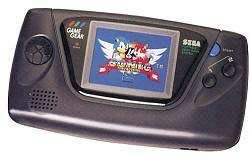
The Sega Game Gear was a truly marvelous piece of machinery. If there was ever a system that was ahead of its time, this is it. The graphics were of a near Genesis quality, the screen was bright and big, and it had some very high quality software. So why did the system more or less fail? Let us explore the tragedy that was the Sega Game Gear.
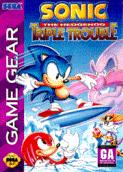
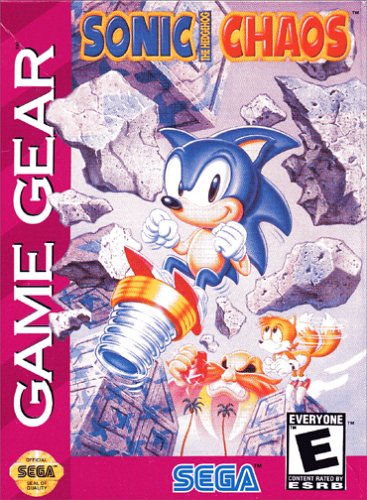
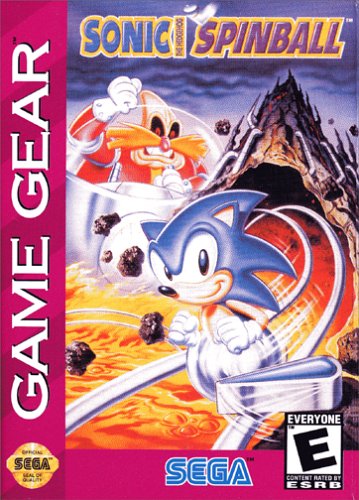
Starting with what the system got right, the system had some very high quality software. Some of the games would have been at home on a home console, let alone a handheld device. Games like Sonic Chaos, Sonic Spinball, Sonic Triple Trouble, World Series Baseball, Streets of Rage 2 and X-Men showed that the game gear was capable of not only fantastic graphics for a handheld, but also compelling game play that captivated and enthralled those few who actually played them.
The graphics that the Game Gear (GG) was capable of churning out was nothing short of remarkable. The graphics were all bright, colourful and well animated. The system actually had a better graphics processor than the genesis, and had a larger colour palette. Of course, the Genesis provided better graphics due to its meatier processor and components, but the GG had a larger library of colors to choose from than did the Genesis.
The system was also pretty innovative in that it was the first handheld to not only do colour, but it also had a backlight that allowed you to play in the dark. Until the GG, the best portable gaming option was Nintendo�s 4 shaded Game Boy. The Game Boy required you to have a direct line of sight on the screen, and all the games looked muddy and dull. But Game Gear allowed for a new level of portable gaming, one that was prettier, with more depth and possibilities for game play. Furthermore, the system had some cool add-ons such as the TV tuner, which allowed you to try and pick up a TV signal from the air and watch TV on the GG. It didn�t exactly work like a charm, but the TV tuner was still a neat idea and fun to play around with.
Therefore, one has to ask, if this system was so great, then why did it fail? The answer is that Sega made some incredibly stupid decisions with the system that sunk it faster than the Titanic. First, the GG was literally the size of a VHS tape. It was bulky and difficult to handle, especially for children with smaller hands. Making a portable system so big meant that it wasn�t as portable as Nintendo�s sleeker and smaller game boy. The final nail in the coffin came when Nintendo launched the Game Boy Pocket, with an even smaller, sleeker design with an improved screen. However, The GG had more going against it than just its bulky stature. Despite its juggernauted size, the system still controlled well, and pulling off moves even in intense games such as Mortal Kombat II was a breeze. The buttons were well placed, and it had a very solid D-pad. Unfortunately, there was no select button which hurt some games more than others.
Like Sega has done so often in its history, it launched the GG at such an expensive price that only the hardest of the hardcore could, or were willing to afford it. The system sold for as much as 300 dollars Canadian at its launch, and the price took far too long to down to a reasonable level. Sega has shot itself in the foot by overpricing its hardware throughout its history. Some systems that had serious potential such as the Sega CD, Sega 32X, and especially the 399 (American!) dollar Saturn all failed because the mainstream gaming public simply couldn�t afford it, especially when the competition was offering much more affordable gaming experiences.
But the GG�s biggest sin was that its battery life was non-existent. The system required SIX alkaline batteries (Rechargeable batteries did not work with the system) for roughly 4 hours of game play. Simply, this was completely unacceptable. This is likely due to the beefy processor and the backlight sucking up all the juice, but more tweaking was required. In my personal experience, we would have to purchase six batteries for each way of a trip to Toronto. Twelve batteries were needed for a round trip. Every time you�d want to play, you�d have to invest a hefty amount on batteries. Even worse, the AC adaptor for the system was not included in the package, which meant you couldn�t play it out of the box. Sega tried to remedy this with a portable battery pack. However, this was not a viable option either, as for the 30 dollar price tag; you�d not only add significant bulk to an already large system, but you�d only get 2 hours of juice out of the thing anyway. The lack of a battery life definitely hurt the system in a way that it simply could not recover from.
With a little more thought behind it, a more affordable price tag, and with a greater battery life, the GG would have been a lot more successful than it was and therefore would have been ranked higher on this list. Some of the games remain quite playable to this day, and are worth tracking down in used video game stores and pawn shops. Want to see where Sony�s PSP got most of its ideas? Check out the Game Gear to see.
Final Rankings:
Overall Game Library � 6
Graphics � 9
Controller � 4
Innovation � 7
Longevity � 6
Overall 32/50 � 64%
Top Ten Games:
1) Sonic Chaos
2) Sonic Triple Trouble
3) World Series Baseball
4) Streets of Rage 2
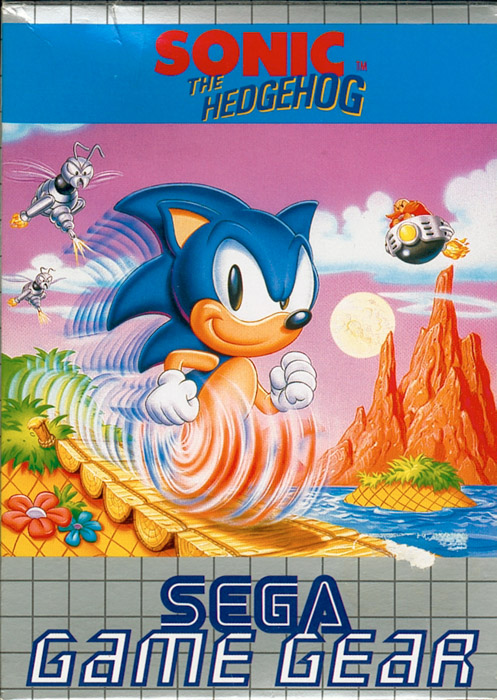
5) Sonic the Hedgehog
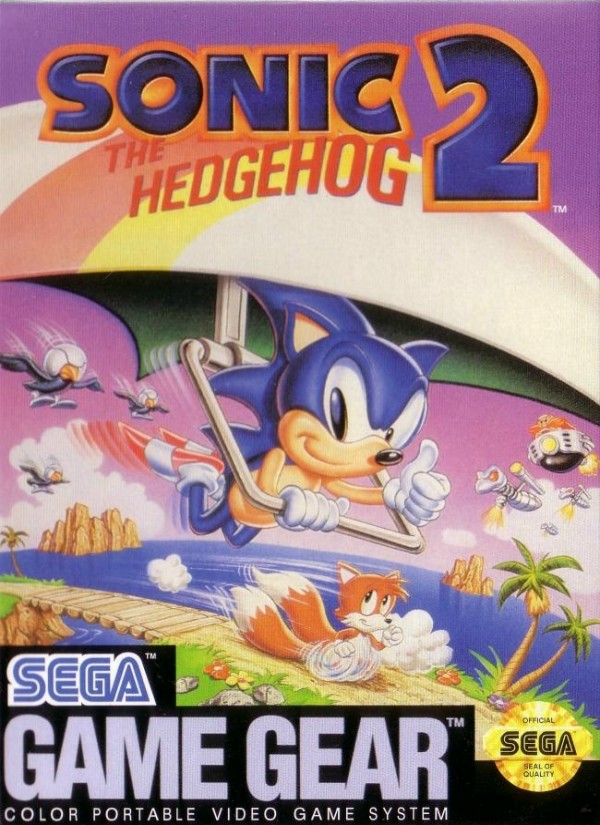
6) Sonic the Hedgehog 2
7) Mortal Kombat II
8) Sonic Spinball
9) X-men
10) Columns
FINAL SYSTEM GRADE: C
Back to Number 15
On to Number 13
Back to the List
Scroll Down for Pictures!!