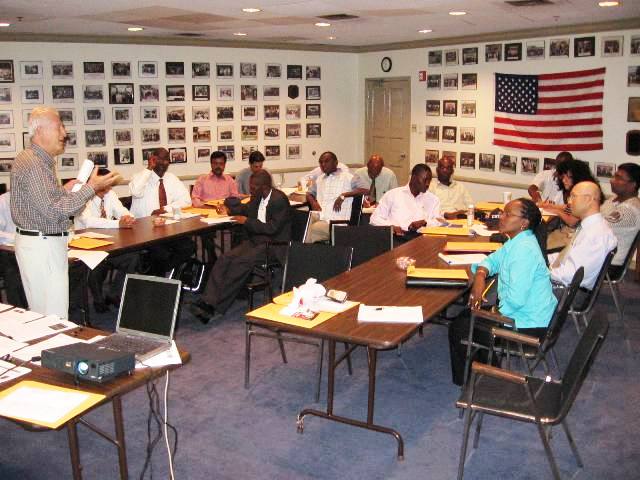
The course was designed to address preparation for natural and manmade disasters in which normal communications are often disrupted by physical damage, system overload, weather conditions, or natural features such as terrain.
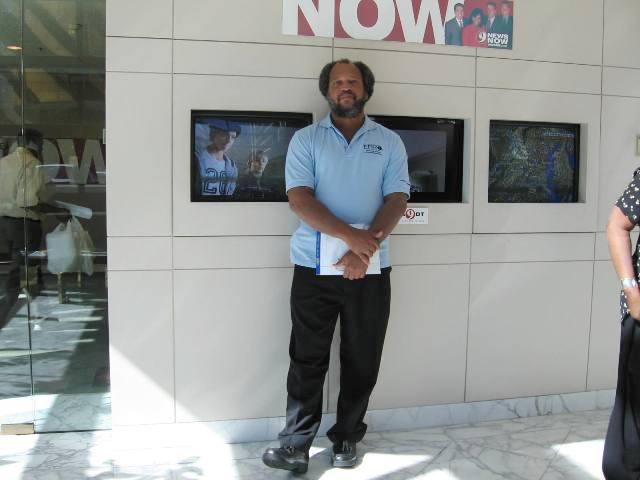
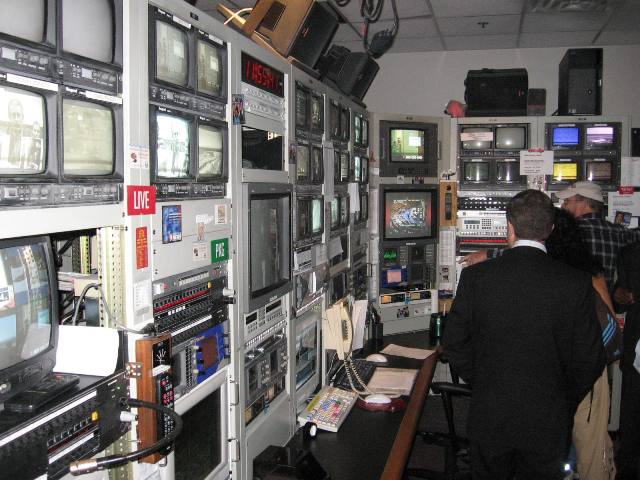
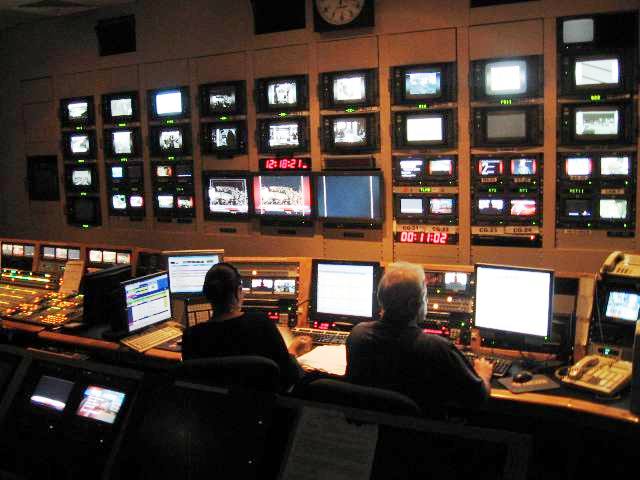
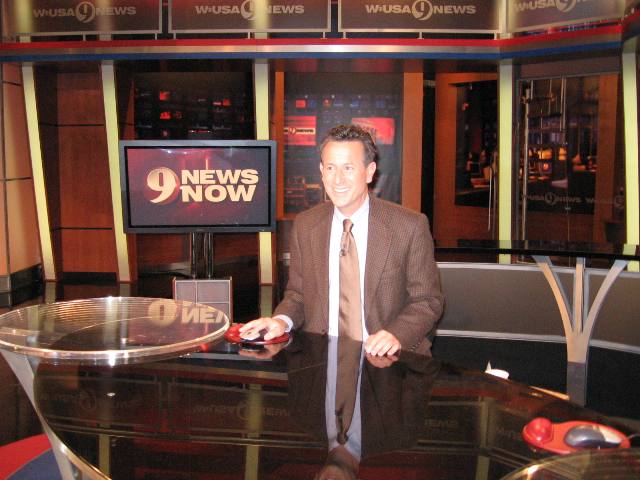
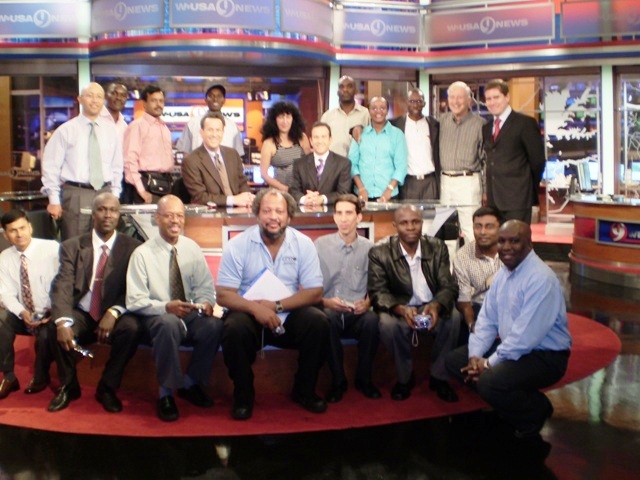
Site selection, planning and design considerations, and the purposes and uses of Emergency Operations Centers (EOCs) was featured, along with the requirements for interfacing between EOCs and government officials, public safety operations, public and government media, emergency medical response and radio amateur networks. Participants toured several types of EOCs, communications centers and commercial television facilities. Special focus was on methods of tracking and exchanging critical information prior to, during and after an emergency, including use of computerized maps, data management, modeling and communications. The course covered vulnerability assessment and telecommunications infrastructure development requirements for disaster prone regions, and operational issues such as emergency access to telephone central offices and reordering of existing radio networks.
Participants were introduced to a wide range of technologies including Very Small Aperture Terminals (VSATs), wireless mobile and fixed satellite and terrestrial communications, remote sensing, Global Positioning System (GPS - positioning location), and Geographic Information System (GIS). Participants were given the tools to help them evaluate which technologies will be of most potential use to them for a wide range of applications including: refugee management, anti-terrorism, disaster recovery and relief operations, early detection and warning, public safety, public information and emergency medical including telemedicine.
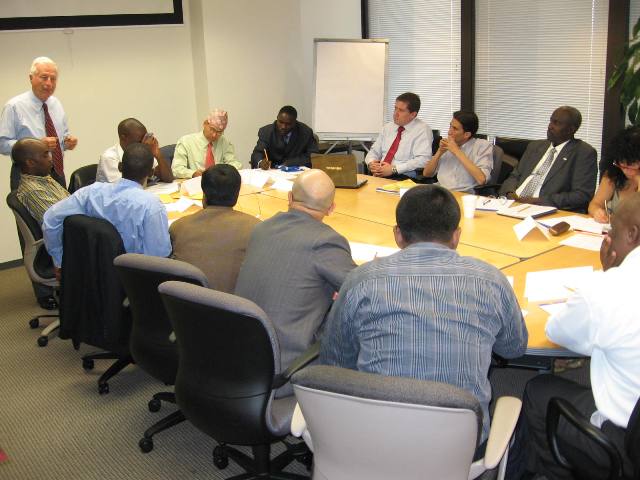
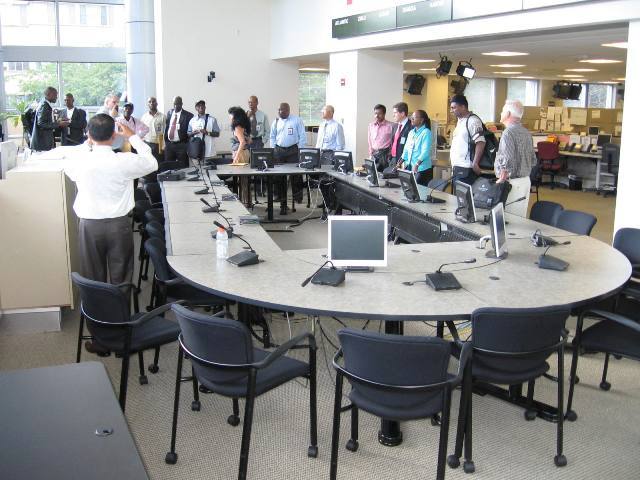
On Tuesday, October 16, 2007, USTTI and OAS participated in a
videoconference entitled, "Regional Dialogue on 'Capabilities of
Telecommunications for Disaster Relief,'" which was sponsored by The
World Bank. The video conference focused on the capabilities of
telecommunications during emergency, disaster relief and mitigation
operations. Participants attending the USTTI's Emergency Communications
Sequence joined the discussion at The World Bank offices in Washington, DC,
while connected via video conference with officials in
Santo Domingo, Guatemala City, Tegucigalpa, Lima and Port of Spain. |