
Food for Thought
Genetically-Modified Food
What is a gene?
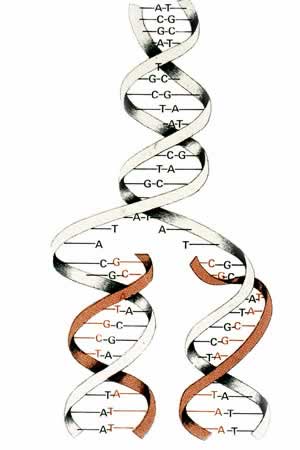
DNA is a code of life. It is a protein molecule found in every cells of an organism. DNA determines the function and structure of cells. Genes are complete chain of DNA that code for specific characteristics. For instance, we have a gene code for our skin tones. Think of our entire body. Therefore, gene determines characteristics of an organism. These characteristics are carried down from generation to generation through reproduction.
Genetic Modification
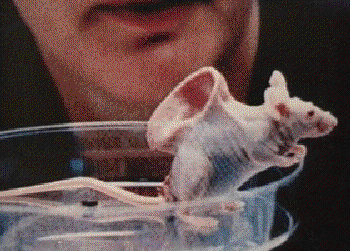
Genetic modification is the forcible addition or the omission of specific gene into an organism, which will never occur naturally. The genes that are inserted will integrate themselves into the DNA content and replicate when cell division occurs. This will replace or enhance additional traits to the organism. Genetic modifications also in other situation enable scientists to modify plants for better yielding, resistance to destructive chemicals and unhealthy environment. Genetic modification can be used in many ways to control a variety of traits of plants, and the consequences of one manipulation may be completely different from another based on the traits modified.
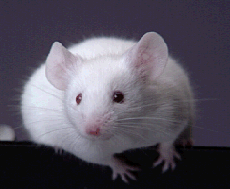
Gene coding for ear is integrated into a mouse's DNA ------> Produces A mouse with an extra "ear"
Unbelievable!
History
Genetic Modification was first introduced in 1719. Traditional methods like selective breeding and cross breeding were used for genetic modification in the early days. This was done by selecting an organism of a species with desired characteristics and breeds it so that the next generation will inherit the characteristics of the parents. For example, a cow that can produce a lots of milk. Cross breeding was similar to selective breeding but it involves the breeding of two different species. The offspring produced are called hybrids ; they have characteristics of both species.
Today
The intervention of modern biotechnology has introduced new methods that have higher chances of success and take lesser time. Modern Genetic Modifications also has a wider range of modifying an organism with characteristics from almost any species. GMs are done in vast scale especially in plants for economic intentions. Examples, giant biotech company, Monsanto, produce more than 90% of the GM crops worldwide. GM are found to be very useful and help the environment by reducing the use of chemicals.
Methods of Genetic modification
Gene Gun : Genes obtained from an organism by recombinant DNA is coated on tiny gold particles. The gold particles are then fired into cells of an organism with agene gun. The genes will express itself in the cells and replicate. This gives the organism the traits of the genes inserted. Such method has a low success rate.

A Gene Gun
Soil Bacterium ( in Plants) : Bacteria that cause tumors in plants are modified by using recombinant DNA technology. The bacteria infect the plant by wedging their own gene into the plant. The tumor-causing gene is removed from the bacteria and useful gene is introduced and replace it. The GM bacteria are then cultured to produce large amount of clones. It is introduced into the soil and infects the growing plants. Instead of forming tumors the plant inherits the desired gene from the bacteria.
GM Food under regulation
In Europe, the production, release and marketing of GM plants are very strictly regulated. Laboratories carrying out genetic modification are regularly inspected to ensure compliance with the regulations. Once produced in the lab, the plant is moved to a small-scale field for trials to monitor the crops. It will not be released into the environment until a committee of experts and the Genetic Modification Organization (GMO) reviews the reports of the GM crops.
What happen to GM crops?
GM crops are widely accepted in the US but not in Europe and other countries. Only a narrow range of existing GM crops is suited to British condition. GM debates emerged in public which decide whether GM crops should be grown commercially.
In Zambia, Zambian government decided not to accept donation of GM foods and as the consequences, 3 million Zambians were facing famine. The decision was made after government dispatched scientists around the world to study the potential effects of importing GM crops. Many Southern African nations are concerned that GM food aid could be used to grow new crops and enter local food chain.
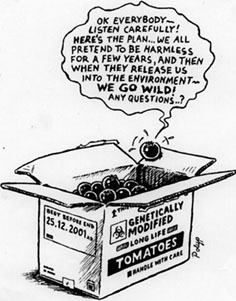
The potential effects of GM crops are still unknown which make people concern about the food they eat. Scientists are no longer trusted because they said GM will not spread into the environment and it is happening now. Proper labeling of products is required to state all the contents of processed food because people worried that the contents may contain GM substances.
Benefits Of GM Food

As a result of the new species evolved from genetic modifications , GM crops for instance, new effects get triggered into various fields mentioned below;
To Farmers & Producers ;
Less Usage of pesticides and herbicides
Crops grown are pest and disease resistance
Crops have increasing tolerance to biotic and antibiotic stresses
Reduction in production and input costs increase in yield for commodity crops.
Genetic Engineering allow crops to be grown on more areas
Plants are able to withstand harsh growth conditions e.g. Drought
Crops Have extended shelf life
Plants have salt tolerance gene
To Environment
Minimizing and removing many negative influences of plant production
Less usage of pesticides and this can decrease soil degradation.
GM organism can help to clean up pollution in the environment ( Bioremediation )
Health
Plants with proteins can act as vaccines against measles, cholera etc.
Less use of pesticides can result in less pesticides residues , which can harm our health
Crops have defined health benefits e.g. Golden rice with enhanced Vitamin A level.
Modifications of plants oil to increase monounsaturated oils and decrease polyunsaturated and saturated oils, thus lowering cholesterols
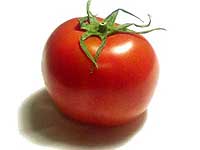
Genetically engineered tomato, which will, can reduce the risk of having cardiovascular disease.

Biotech Company
· Have control on seeds produced as patent imposed on them
Animal species
· Endangered animals like Butterflies and Ladybirds will not be threaten as less pesticides are used.
Economy
· Farmers can earn more surplus as high yield produced and cheap pesticides costs
· Reduces input in agriculture and access to valuable niche markets
· Increasing per capita income hence, living standard will also increase
· National productivity will increase as wealth is improving
· Improve production due to high import an inflow of foreign exchange
Consumers / Public
· GM food ease the problem of starvation and hunger in the third world as food supply increases
· Cheaper food for international market
On the other hand, GM food also have the ability to trigger bad consequences mentioned below ;
Controversies Over GM food
Safety
Potential human health impact: allergens, transfer of antibiotic resistance markers, unknown effects Potential environmental impact: unintended transfer of transgenes through cross-pollination, unknown effects on other organisms (e.g., soil microbes), and loss of flora and fauna biodiversity
Access and Intellectual Property
Domination of world food production by a few companies
Increasing dependence on Industrialized nations by developing countries
Biopiracy— foreign exploitation of natural resources
Ethics
|
|
Violation of natural organisms' intrinsic values
Tampering with nature by mixing genes among species
Objections to consuming animal genes in plants and vice versa
Stress for animal
Labeling
Not mandatory in some countries (e.g., United States)
Mixing GM crops with non-GM confounds labeling attempts
Society
New advances may be skewed to interests of rich countries
Why are people so skeptical about GM food?

Here are the major reasons ..
1. People don’t trust scientists
- Scientists are the ones who introduced GM food to the world. People are worried and not happy with this new establishment. This is because scientists can’t convince them on how they actually process the food as it is carried out in laboratories where only authorized people are allowed to enter. This can adapt people's mind of not to take GM food. They might think negatively. For instance, they might think that the food must be associated with harmful substances which can endanger their health.
2. People don’t trust their government
- Another reason could be, because the way of their governments deal with the production, selling and labeling of the food is not obviously satisfactory to what people expect. There are some countries around the world don’t really care about those aspects. They keep on giving support to GM food industries just because they want their people to buy GM food and this can improve the countries financial problem without concerning about the effects of the GM food. They put less concern on the labeling of the GM food products. Mislabeling of such products can make people curious about the quality of GM and non-GM ones. Such incident happened in Japan where they falsely claimed that the food had no agrichemicals. Critics in that country noted that the government’s labeling rules were so lenient and lax that the food industry has not felt bounded by the laws.

3. Food scandals
- Numerous cases have been uprising especially to world—leading GMF industries. In July 2000, one of the largest dairy conglomerates (GMF industry) in Japan was caught of processing milk through unclean pipes. As a result, more than 13,000 people got sick. Then again in February 2001, they were also caught of using expired butter in processing of ice cream. Food poisoning is also a major problem in industrial countries. Such incident was believed to be linked with the fact that processed food are associated with unknown additives and preservatives that contain toxics. Quite a number of GMF companies have been caught due to such incident.
4. The uprising of ‘created’ diseases, etc
- This is the most common factor above all. People always think that most of the diseases emerged today are derived from GM products.
Some Diseases allegedly created by GM products (GM food in specific) are stated below:
Salmonella ( Food Poisoning )
- Caused by bacteria that can lead consumer suffer from Diarrhea
- 14 cases of infections recorded in Scotlannd.
Foot And Mouth Diseases
- Spread through drinking of milk of infecteed cow.
- 40 people got infected in Britain and Japaan
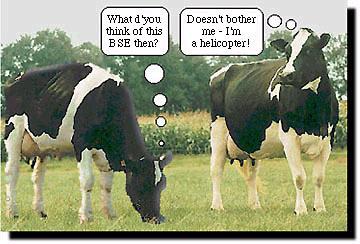
5. BSE ( Bovine Spongiform Encephalopathy / Mad Cow Disease)
- affects cattle>
- 70 people died of CJD ( Creudtzfellddt—jakob disease ) from the meat consumption
6. Cancer
- Chili products contain red dye that can ccause cancer
- Cancer causing dioxin revealed in Belgian food