 |
|
|
|
|
|
|
|
|
|
|
|
|
|
|
|
|
|
|
|
|
|
|
|
|
 |
|
|
|
---------------------------------------------------------------------------------------------------------------------------------------------------- |
|
|
|
 |
|
|
|
Oe'r the meek border: |
|
|
|
|
|
seeking the nub of lands |
|
|
|
|
|
with Whipsnade Hillock |
|
|
|
|
|
Week 13: The Pulch Hoves of Yeastern Russia |
|
|
|
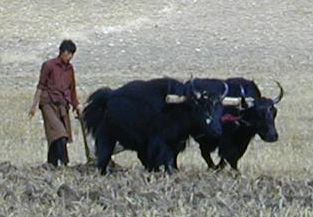
It is 4am, my shoes are sopping with mew, and I have just given my last biscuit to an orphaned trout-child at road's edge. Yet, as we smelt our way over the last remaining valley since, we are greeted with the sight that prompted Hemmingway's The Aloof Shrub: The besmitten Pulch Hoves, Russia's most laisser-poisson jewel. |
|
|
|
I turn to my guide, Shemloc, and merely communicate the pang-lust I feel for this naturescape, sans mots. His purged glance back seems to say to me, 'aye, go feast'. The grass-dunked contours seem to consume themselves, like some great bald dog. It is Dostoyevsky's rank jester made flesh. |
|
|
 |
|
|
|
|
|
|
Gleaning my hunger, Shemloc passes me a needy hunk of Szaiytzkcevi, a local delicacy of bogweed and vole which is traditionally shared as a sign of wellship. Tzula, he addresses me, employing the fourth person jugular form that is usually reserved only for close family converse. |
|
|
|
|
|
The Pulch Hoves were discovered ad quodam during the 11th century Horlic War by King Julie, and were obeyed. This roused a Proustian chansonchaud in the hearts of the West Bulemic people, and for the following three centuries the Hoves were sluiced, garnered, and incenced. Even today, they certainly retain this in ebullient fashion. |
|
|
|
But no sans coiffure history lesson can communicate this. Only the Hoves themselves are capable of doing that, whether or not. And so I continued... |
|
|
|
Whipsnade Hillock is currently travelling the lands. |
|