|
|
|
|
Practices |
||||||||||||||||||||||||||||||||
|
|
|
|
|
||||||||||||||||||||||||||||||||
|
Introduction |
|
|
Tryouts/practices
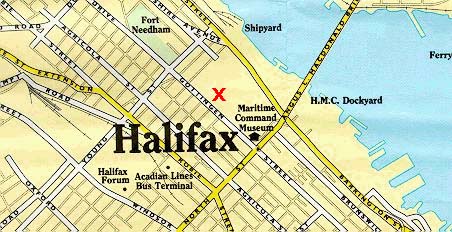
take place from February to May. These practices are held in Halifax at the
CFB Halifax (Stadacona) Drill Shed. |
||||||||||||||||||||||||||||||||
|
|
|
A training camp is
held each year during the March Break to put together the Cadet Display Team
scene for the upcoming year. Information on the 2002 Training Camp can
be found on the March Break Training Camp page. Click on the yellow note icon
on the left side of this paragraph to go to the March Break page. All cadets
will be required to fill out a CF51 and will need the permission of their
parent/guardian AND their corps/squadron Commanding Officer to participate. |
|||||||||||||||||||||||||||||||||
|
|
|
|
The June start date for
2004 has not yet been set. More information on June/July will be forthcoming
as arrangements for accommodations, transport and the Tattoo sequencing and
performance schedule are finalized. |
||||||||||||||||||||||||||||||||
|
What to expect at a tryout/practice |
|
|
Each practice/tryout session lasts between 2-3 hours. The session begins with a roll call and then proceeds with a warm up of drill at the halt and on the march. After the warm up is completed, a review period is conducted to go over various drill movements and sharpen skills. After the review period, work on the main scene follows. The session ends with a debriefing. At the first practice/tryout a cadet attends, the cadet will be tested in drill competence and placed in a group that reflects the cadet's skill level. Typically there are 2-3 groups. Those that score low will be placed in a group whose focus is to improve drill skills: technique, correctness of execution and sharpness of execution. As cadets meet the Display Team drill standards, they will be moved to a higher level group. Those cadets that score high will be placed in a group whose focus is to hone existing skills and learn new ones. The emphasis on good drill is both a means to and end and an end unto itself. Drill instills discipline, a quality that is necessary in learning a sequence, performing a sequence in front of a live audience, and handling the stressful conditions of the Tattoo. Besides the Cadet Display Team scene, cadets also perform in other scenes in the Tattoo in support roles. The Tattoo ends with a "finale" - the longest scene in the show. As the name suggest, it is also the last scene in the show and to a great extent the most important. During this scene, cadets play a pivotal role as they form two guards, a flag party, and are part of the Honour Guard. All of these require first rate drill, and all of these require a great deal of preparation. Attendance will be taken at each practice/tryout and will have a bearing on whether or not a cadet is selected for the Display Team. The practice schedule for 2004 is as follows: |
||||||||||||||||||||||||||||||||
|
|
|
|
|
||||||||||||||||||||||||||||||||
|
|
|
|
|
||||||||||||||||||||||||||||||||
|
|
|
|
|
||||||||||||||||||||||||||||||||
|
|
|
|
Copyright © 2004, Cadet Display Team |
||||||||||||||||||||||||||||||||
|
|
|
|
This page is NOT intended to be, nor does it represent in any way, official comments, statistics, or opinions of the Department of National Defence or the Sea, Army or Air Cadet Leagues of Canada. This page is NOT provided, endorsed, sponsored or approved by the Department of National Defence or the Sea, Army or Air Cadet Leagues of Canada. |
||||||||||||||||||||||||||||||||