Netspeak Abuse

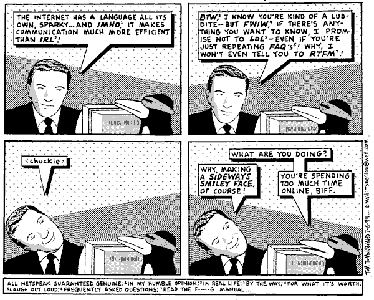
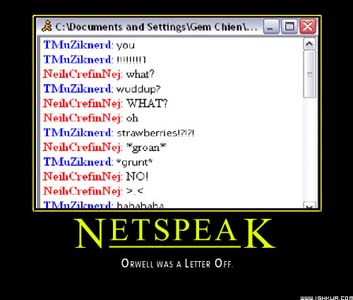
Netspeak abuse is either:
1.) Using too much netspeak too often.
-or-
2.) Criticizing netspeak and those who use it.
Netspeak consists of onomatopoeias, emoticons, and abbreviations/acronyms used on the Internet. But the abbreviations/acronyms are what most people abuse, so those are what I will focus on.
Judging by the majority of my website, you may assume that I never use netspeak. Or maybe you think I am the type to do so, if you think I'm ignorant, and arrogant people like you always think that netspeak users are ignorant. Netspeak has its place, and my opinion is that it is fine to use in moderation. I try not to use any on my website, because I want it to look at least a little professional. However, I do use netspeak most of the time on the Internet, and I even use it in offline things like my rough drafts and class notes. Both in handwriting and typing, using netspeak abbreviations (such as "u" and "r") are faster than spelling out the non-abbreviated words properly. The arrogant ones still try to deny this, even though it is obvious that typing/writing one letter instead of three takes less time. My typing speed is 90 words per minute, but I still find using netspeak to be faster.
The people who have seen me use netspeak assume that I must've always used it. Wrong. I learned to type properly when I was 11 years old on a program called Mavis Beacon Teaches Typing. I didn't get the Internet at my house until I was 12 or 13. Once I did, I typed properly in my e-mails and my instant messaging. But eventually I grew tired of it. I spent up to 12 hours on the Internet per day, so it was very tiring for my pinkies to always hold the shift key down whenever I typed a capital letter to the many people I talked to online. I already typed fast for my age, but I could go even faster without the shift key, periods, and unnecessary letters (like the Y and O in "you"). Plus plenty of other people on the Internet didn't type properly in e-mails or IMs, so there really was no point. So I picked up Netspeak and began to type quicker than ever like a pro. Now it comes naturally to me.
The above paragraph is proof that your arrogant idea that anyone who uses netspeak must be immature, stupid, or young is wrong. Because I'm not immature or stupid. And it was when I was young that I didn't use Netspeak, and when I was old that I did. Of course you may still insist that I am young right now even though I'm an adult; you might think that I'll eventually grow out of it. Wrong again. I'm not going to stop using Netspeak in e-mails or IMs no matter how old I get. You can check back with me in fifty years to make sure. You might also argue that I am indeed immature and stupid. Well, here's some more proof for you: Some of my middle-aged university professors use netspeak. Are you going to call them immature and stupid too?
"The arrogant ones" are what I call the people who criticize netspeak and those who use it. These arrogant people ban netspeak-users from their guilds, journals, forums, buddy lists, and other online groups. I call them arrogant because they are arrogant. They always use proper typing with capitals and punctuation; some even use it in instant messaging. Perhaps they enjoy wasting their time, pressing the extra unnecessary keys to make everything they write look like an essay. Or perhaps they just want to make themselves look smart and make fun of anyone who doesn't type like them.
Well--NEWSFLASH--everything you write on the Internet is not an essay. I use proper typing here because this IS an essay. But as for casual e-mails, forum talk, and instant messaging, typing properly is unnecessary and a waste of time. Netspeak is used so often by so many people on the Internet that everyone should know what the netspeak terms mean. Everyone knows these basic, commonly used netspeak terms:
2 = to/too/two
4 = for/four
b/c or cuz = because
b4 = before
bf = boyfriend
brb = be right back
btw = by the way
convo = conversation
cya = see you (later)
gf = girlfriend
gtg/g2g = got to go
ic = I see
irl = in real life
imho = in my humble opinion
jk = joking or just kidding
lmao = laughing my ass off
lol = laugh out loud
ne(1) = any(one)
no1 = no one
om(f)g = oh my (fucking) god
o = oh
ppl = people
r = are
rofl = rolling on floor laughing
stfu = shut the fuck up
sup/wuzup = what's up
ttfn = ta ta for now
ttyl = talk to you later
thx/tx = thanks
ty = thank you
u = you
ur = your or you're
wb = welcome back
wtf = what the fuck
y = why
yw = you're welcome
If you don't know what they mean, then you are a newbie, and like any foreign person to a new land, it won't take long for you to pick up on the language of this new world. As long as you understand what is being said, there is nothing wrong with using netspeak. (Punctuation should be used if more than one sentence is used at once; it should be used in e-mails and forums, since there you usually write more than one sentence in those things; but in instant messaging, usually when you are done writing one phrase, you press enter to submit it, so there is no need for a period.)
Of course, some people abuse netspeak in another way -- they use so much netspeak that what they're saying is incomprehensible. For example: "hi wb how r u im fine omg did y heer bout jamie he tryd lihting his frt lol isent that so lol lol??!!?!?!?!?" which translates to, "Hi. Welcome back. How are you? I'm fine. Oh my god? Did you hear about Jamie? He tried lighting his farts! Isn't that hilarious?" This makes the people who only use the normal netspeak abbreviations look bad; and it confirms the proper-typers' misconceptions and gives them more of a reason to criticize when they make rules that any person who "typs lyk dis!!!!111omg" can't join their online community/group. Using the commonly known netspeak terms is fine, because almost everyone on the Internet knows what they mean. But misspelling/shortening other non-netspeak words makes what you're trying to say hard to understand. Another problem with the example sentence (if it can even be called that) is that it has no punctuation to separate the different sentences.
In conclusion, not everyone who uses netspeak is stupid/young/ignorant. Netspeak is just Internet slang. I'm sure you use slang in real life, so why don't you arrogant people stop telling others to change the way they type and get over yourselves?
By the way, Hawaiian pidgin (technically Hawaiian Creole English) is very similar to Netspeak in the ways that it spells words wrong and invents new words of its own. If you insult Netspeak and those who use it, then you might as well be insulting Hawaiian pidgin. Don't agree? Do you think it is wrong to insult someone's culture? Well, guess what, folks?! THE INTERNET IS A CULTURE. LEARN THE LANGUAGE.
Hawaiian pidgin: "Da Hawaii Pidgin language get plenny stuff dat wen come from English, plantation time, but get plenny stuff dat stay diffren too. Check out dis map dat tell wat happen from da subjeck to da main verb inside one Pidgin kine sentence. Ony stay litto bit like da English:
Da blue part. Get diffren kine subjeck fo Pidgin, not like English. Wen no mo subjeck (dass wat da *** mean), you not tinking bout one guy o one ting, o one stack guys o tings, cuz no matta who o wat da subjeck -- 'Can go inside?' "Can." Dat mean anybody.
'Suppose to, gotta, betta' mean dat somebody goin make shua da ting doin happen. 'Betta' mean da guy dat goin do um know inside az importan fo him do um, an someting bad can happen if he no do um. 'Gotta' mean get presha fo him do um. 'Suppose to' mean dat everybody tink az good fo him do um, but dey no goin make big trouble if he no do um. Wen 'no' come togedda wit 'betta,' dey flip out, so gotta say 'betta not.'"
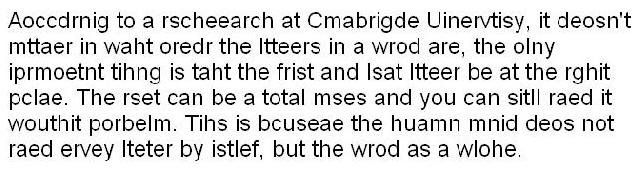
If you can read that with ease, then reading netspeak is not as big of a deal as you make it out to be. That isn't to say that people should not try to type with as little typos as possible, but it also doesn't mean that it gives you the right to insult them for every little mistake they make. You most likely aren't a teacher or even a respected professional, so you shouldn't except to be typed to as if you are. Sorry to burst your bubble, but you just aren't worth the time.
(Click here for a complete list of Netspeak terms)



Copyright © January 6th, 2007. JANS INDIGO. All Rights Reserved.