Content List for U.S. History
The following is the content list
for our U.S. History pacing guide. Our
guide addresses the North Carolina Standard Course of Study and is designed to
present U.S. History in a thematic structure.
This approach should foster multiple perspectives among students and aid
them in interpreting historical relationships.
Each theme will incorporate the study of primary documents, timelines,
geography, art and literature. The
content within each thematic grouping will also be presented
chronologically. Major projects for the
semester include the reading of Harriet Jacob’s Incidents in the Life of a
Slave Girl and a research assignment that asks students to connect an
historical issue or event with an important issue or event of today. The following NCSCS standards are addressed
according to the following themes:
Expansion
1.1 Describe how geographic
diversity influenced economic, social, and political life in colonial North
America.
3.4 Analyze the effects of
territorial expansion and the admission of new states to the Union.
4.1 Map westward expansion and make
inferences about its importance to African Americans and Native Americans.
10.2 Elaborate on the
suburbanization of American society and make inferences about its importance to
our economic and social institutions.
National Identity
1.2 Describe the contributions of
various racial, ethnic, and religious groups including African Americans and
Native Americans to the development of a new culture.
1.3 Elaborate
on the sources of American nationalism.
2.2 Associate
ideas in the founding documents with their European origins.
3.6 Evaluate the extent to which
the United States was "a nation at risk" until 1815.
4.3 Assess
political events and personalities in terms of their influence on nationalistic or sectional trends.
4.4 Analyze literary and artistic
movements of the period as contributors to nationalism and sectionalism.
U.S. Government
2.1 Trace the development of
concepts of self-government in British North America from the Mayflower Compact
to the Declaration of Independence.
2.3 Analyze the Declaration of
Independence and the Constitution of the United States as expressions of
self-government.
2.5 Judge the extent to which the Bill of
Rights extended the Constitution.
3.1 Identify major domestic
problems of the nation under the Articles of Confederation and judge the extent
to which they were resolved by the new Constitution.
3.2 Judge the extent to which the
institutions of the new nation protected the liberties of all its inhabitants.
7.1 Trace the emergence of the
United States as an increasingly significant international power in the late
nineteenth and early twentieth centuries.
7.3 Assess the significance of the
war experience on United States foreign and domestic policies of the 1920s and
1930s.
11.2 Analyze changing relationships
between states and the federal government as the role of the federal government
continued to expand.
11.3 Analyze
relationships and actions of the three branches of the federal government in
terms of their influence on the lives of citizens.
12.2 Elaborate on changes in the
direction of foreign policy toward various world areas over the period.
Politics
2.4 Evaluate the arguments of The
Federalist and The Anti-Federalist papers as expressions of differing theories
about self-government.
6.5 Trace the rise and decline of
Populism and Progressivism and judge their effectiveness as economic, social,
and political movements.
8.4 Assess the impact of New Deal
reforms in enlarging the role of the federal government in American life.
11.1 Trace
changes in political party alignment and voter behavior.
11.4 Assess
the influence of phenomena such as television on the conduct of American
politics.
WAR (cause)
1.4 Distinguish
between immediate and long-term causes of the American Revolution.
5.2
Analyze long-term and immediate
causes of the war and assess the extent to which slavery was a cause of the
conflict.
7.2 Analyze the causes of United
States involvement in World War I, and assess the effects of the war on the
United States and other nations.
9.1 Investigate reasons for the
expansion of totalitarian governments during the period.
9.2 Trace the course of events that
resulted in a new outbreak of worldwide war and analyze the role of the United
States in them.
12.4 Identify causes of United
States involvement in foreign wars since World War II and judge the influence
of our involvement on American society.
War (effect)
1.5 Assess
the importance of military engagements, personalities, and geo-political
factors in the defeat of the British.
5.3
Trace important military and
political events of the war period, and judge their significance to the outcome
of the conflict.
9.3 Identify major campaigns and
personalities from the World War II era, and assess their importance to the
conduct of the war.
9.4 Describe and analyze the
effects of the war on American economic, social, and political life.
12.1 Trace the course of the
"cold war" and judge its impact on American society.
Economics
3.5 Assess commercial and
diplomatic relationships with Britain, France, and other nations.
4.2 Analyze economic developments
and judge their effects on nationalism and sectionalism.
5.1
Elaborate on economic, social, and
political conditions in the decade preceding the Civil War.
8.1 Elaborate on the cycle of
economic boom and bust in the "twenties" and "thirties" and
analyze the extent of prosperity for different segments of society.
10.5 Analyze
the course of the United States economy since 1950.
Labor
6.2 Make
inferences about the influence of immigration and rapid industrialization on urban life.
6.3 Trace the development of labor
unions and judge their effects on economic arrangements and the lives of
working people
Technology
6.1 Describe innovations in
technology and business practices and assess their impact on the economy.
8.2 Make inferences about social,
intellectual, and technological change based on an analysis of lifestyles of
the period.
10.1 Identify technical innovations
that have significantly affected American life and judge the importance of
their influence on our behavior.
Reform
5.4
Judge immediate and long-term
effects of Reconstruction on the daily lives of people as well as on the politics
and economy of the former Confederate states.
6.4 Evaluate the effects of racial
segregation on various regions and segments of American society.
8.3 Describe
challenges to tradition in religion, race, and gender during the period.
10.3 Trace major events of the civil
rights movement and evaluate the impact of the movement on institutions and the
lives of citizens.
12.3 Examine the role of
organizations established to maintain peace and judge their continuing
effectiveness.
Religion
3.3 Trace the development of
religious liberty and toleration in the new nation.
4.5 Evaluate the role of religion
in the debate over slavery and in other social movements and changes of the
period.
6.6 Analyze the influence of
growing religious pluralism on American society.
10.4 Assess the importance of
growing religious pluralism and racial and ethnic diversity in American
society.
U.S. History
Pacing Guide
2002
This Calender is based on the Watauga H.S. 2002 Spring
Semeaster
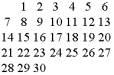
January
2002
S
|
M
|
T |
W |
Th |
FR |
SA |
|
DECEMBER
|
|
1 |
2 Teacher Workday |
3First Day—2nd
Semester Begin Expansion |
4 |
5 |
|
6 |
7 |
8 |
9 |
10 |
11 Begin National Identity |
12 |
|
13
|
14 |
15 |
16 |
17Begin Government |
18 |
19 |
|
20 |
21Martin Luther King Day (Optional workday) |
22 |
23 |
24 |
25 |
26 |
|
27 |
28 |
29 |
30 |
31 |
|
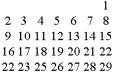
FEBRUARY
|
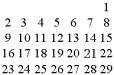
February 2002
S
|
M
|
T |
W |
Th |
FR |
SA |
|
JANUARY
|
|
|
|
|
1Guest Speaker--Mayor |
2 |
|
3 |
4 Begin Politics |
5 |
6 |
7 |
8 Test day |
9 |
|
10 |
11 Begin War (Causes) |
12 |
13 |
14 |
15 |
16 |
|
17 |
18 |
19 |
20 |
21 |
22 |
23 |
|
24 |
25 Guest Speaker—WWII Veteran |
26 Begin War (Effect) |
27 |
28 |
|
MÄRCH
|
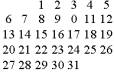
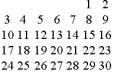
March 2002
SO
|
MO
|
DI |
MI |
DO |
FR |
SA |
|
FEBRUARY
|
APRIL
|
|
|
|
1 |
2 |
|
3 |
4 |
5 |
6 |
7 |
8 |
9 |
|
10 |
11 |
12 Test day |
13 Begin Research Project--Library:
Current Events vs. Historical Events |
14 |
15 |
16 |
|
17 |
18 Computer
Lab
|
19
|
20 |
21Research Papers due Begin Economics |
22Assign H. Jacobs novel (assign
Literature Circle Portfolio) |
23 |
|
24 31 |
25 |
26 |
27View Documentary Roger
and Me by Michael Moore |
28 Discussion to follow movie |
29 Field trip to Raleigh—visit capitol buildings |
30 Visit museums |
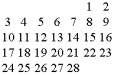
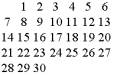
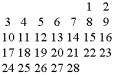
April 2002
S
|
M
|
T |
W |
Th |
FR |
SA |
|
MÄRCH
|
1 S P |
2 R I |
3 N G |
4 B R |
5 EA K |
6 |
|
7 |
8 Begin Labor |
9 |
10 |
11 |
12 |
13 |
14
|
15 |
16 Literature Circle on Jacobs novel (turn in L.C. portfolio) |
17 Begin Technology |
18 |
19 Test day |
20 |
|
21 |
22 Begin Reform |
23 |
24 |
25 |
26 |
27 |
|
28 |
29 Guest Speaker—Local Female Pastor |
30 Begin Religion |
|
|
|
MAY
|
May 2002
S
|
M
|
T |
W |
Th |
FR |
SA |
|
APRIL
|
|
|
1 |
2 Test day |
3 EOC Review |
4 |
|
5 |
6 |
7 Teacher Workday |
8 |
9 |
10 |
11 |
|
12
|
13 |
14 |
15 |
16 EOC—U.S. |
17 |
18 |
|
19 |
20 Last Day MUSIC+ CLASS PARTY |
21 Teacher Workday |
22 |
23 |
24 |
25 |
|
26
|
27 |
28 |
29 |
30 |
31 |
JUNE
|