
One thing to bear in mind is that lappies often seem to change color (or at least markings) as they mature. They may even change slightly after they have reached maturity.
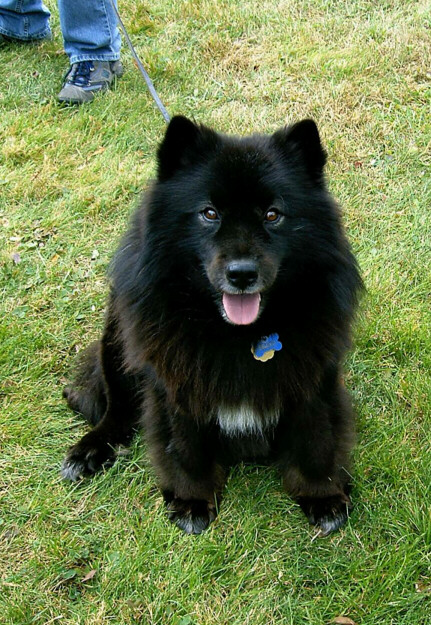
UKC Ch Sugarok Celebrate (Bravo) is a good example of a solid black dog. Black also occurs with markings. Kira, (on the left) shown with Lola in this photo, is a good example of a black dog with tan markings.
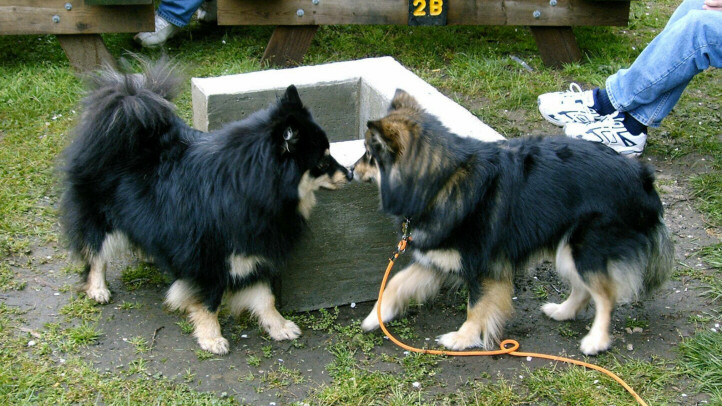
Wolfsable, also known as wildcolor or agouti, consists of beige or light brown hairs tipped in black so that an adult dog, viewed from a distance, often appears black. Our Lola (UKC Ch Sugarok Long Awaited Lola) is a good example of wolfsable. Variants of wolfsable do occur such as "brown wolfsable" like our Suzi (Kastanjetorpets Indra), who has beige hairs tipped in brown. Similar to wolfsable is domino. In domino, the base of the hairs is white rather than beige and the markings are white or near white (somewhat "husky-like" in appearance)..
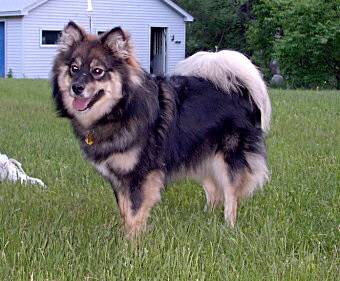
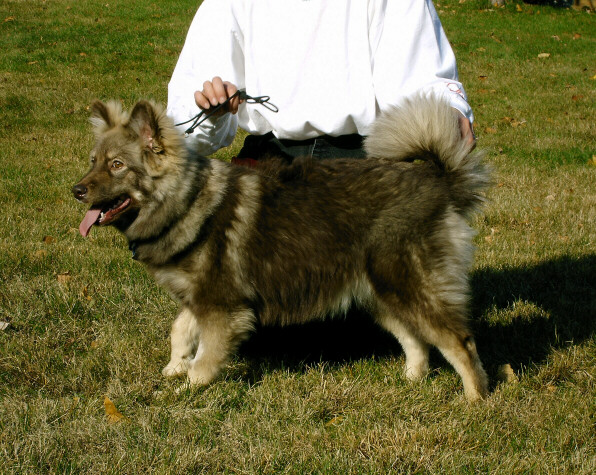
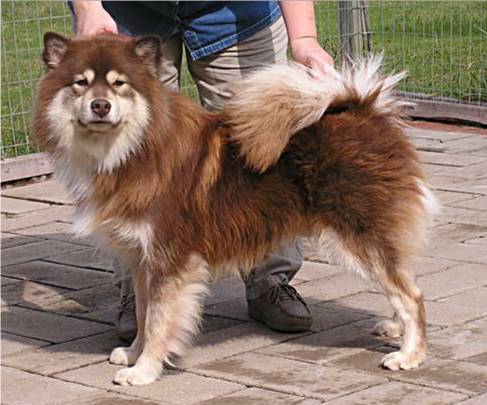
The typical brown color is a red-brown -- cinnamon or mahogany tone. We are very fond of Buster (UKC Ch Sugarok Buster Brown), a beautiful brown male.
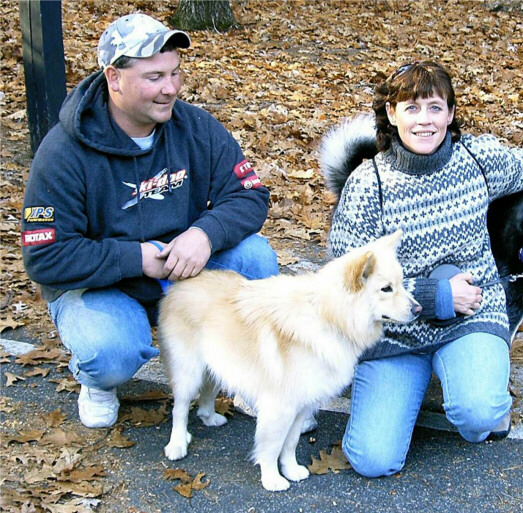
Another acceptable color is cream (recessive yellow). These dogs range from near-white to a very light yellow or biscuit color. Summit (Valkea Summit) is a nice example of a cream colored young male lappy.
Other colors that are permitted but do not currently occur in North America are sable and the various blue dilutions. All of these colors are considered to be equally acceptable in terms of the breed standard, although some breeders may show a bias for or against certain colors.
Saddle is perhaps better described as a color pattern than a color. In most of these dogs, it is difficult to say which color predominates which may be why this color is considered a fault. The tan color that is often present in markings now comprises a large portion of the color and a saddle-shaped pattern of darker color (usually black or wolfsable but could also include brown, sable, or one of the blue dilutions) occurs on the back. These pups typically appear to have normal coloration as a pup but gradually change as they mature. While these dogs may not be the first choices for the show ring, they are extremely attractive dogs.
Finally, there are two other colors or color patterns that are considered faults and are not known to occur in North America. These are brindle (various color hairs intermixed) and piebald.
An excellent resource for lappy colors and variants occurs at:
http://lapikas.net/varisivut/index.htm
Unfortunately, the text is all in Finnish... :o)
