
![]() |
||||||||||||||||||||
![]() |
||||||||||||||||||||
![]() |
||||||||||||||||||||
Name: Neon Symbol: Ne Atomic Number: 10 Atomic Mass: 20.17 Melting Point: 24.53 K Boiling Point: 27.1 K Electron configuration: [He] 2s�� 2p6 Appearance Color: colorless Structure: face-centered cubic Usage: neon signs |
||||||||||||||||||||
![]() |
||||||||||||||||||||
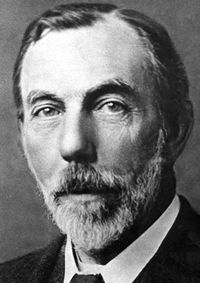
| Neon was discovered on 1989 by Sir William Ramsay and Morris William Travers. Its name come from the Greek work neos meaning new. We can easily see neon all around us. The signs we usually see, that are lightened up, comtains the element of neon. | ||||||||||||||||||||
![]() |
||||||||||||||||||||
| Isotope Half Life Ne-20 Stable Ne-21 Stable Ne-22 Stable |
||||||||||||||||||||
![]() |
||||||||||||||||||||
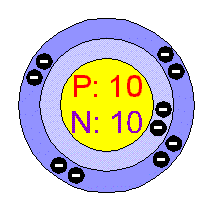
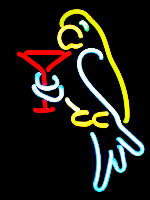
| We know neon mostly by their color and their brightness shown in the signs we see at night. Electricity flowing through the signs causes it to glow up. Neons have 10 protons, 10 electrons, and most likely 20 neutrans with two energy levels (shown on the picture above). The first energy level, as the picture shows, has two electrons and the second energy level contains eight. Neons are colorless and odorless, as said in the profile. Then why does it have such a variety of colors? Neons, mixed with other compounds will produce NEON COLORS. |
||||||||||||||||||||
| return to front page | ||||||||||||||||||||