
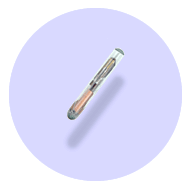
A microchip is about the size of a grain of rice. It consists of a tiny computer chip housed in a type of glass made to be compatible with living tissue. The microchip is implanted between the pet�s shoulder blades under the skin with a needle and special syringe. The process is similar to getting a shot. Little to no pain is experienced -- most pets do not seem to even feel it being implanted. Once in place, the microchip can be detected immediately with a handheld device that uses radio waves to read the chip. This device scans the microchip, and then displays a unique alphanumeric code. The pet must then be registered with the microchip company, usually for a one-time fee, so that your pet can be traced back to you if found.
7 Things You Should Know :
1 - Microchips are designed to last for the life of your pet.
2 - They do not need to be charged or replaced.
3 - Some microchips have been known to migrate from the area between the shoulder blades, but the instructions for scanning emphasize the need to scan the pet�s entire body.
4 - Your pet can be easily identified if found by a shelter or veterinary office in possession of a scanner. However, some shelters and veterinary offices do not possess scanners.
5 - Depending on the brand of microchip and the year it was implanted, even so-called universal scanners may not be able to detect the microchip.
6 - Microchip manufacturers, veterinarians and animal shelters have been working on solutions to the imperfections, and technology continues to improve over time.
7 - The preferred frequency is 125 kHz. All U.S. compliant scanners are designed to read 125 kHz chips.
Need more info? (Copy and paste to your browser)
www.crystaltag.com
www.homeagain.com
www.avidmicrochip.com