| Mozart�s Piano Concerto KV 271: An Operatic Concerto | |||||||||||||||||||||||||||||||||||||||||||||||||
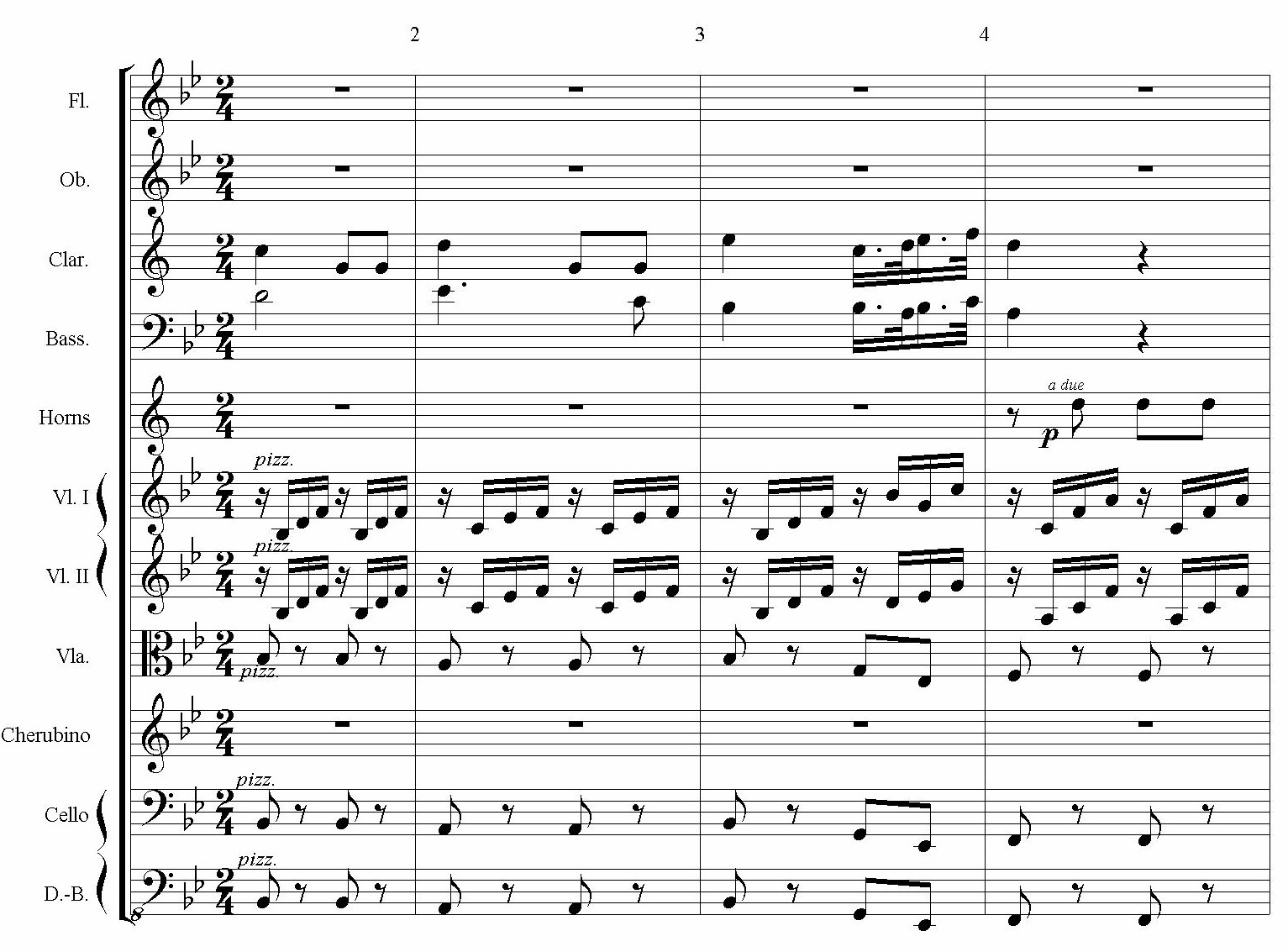
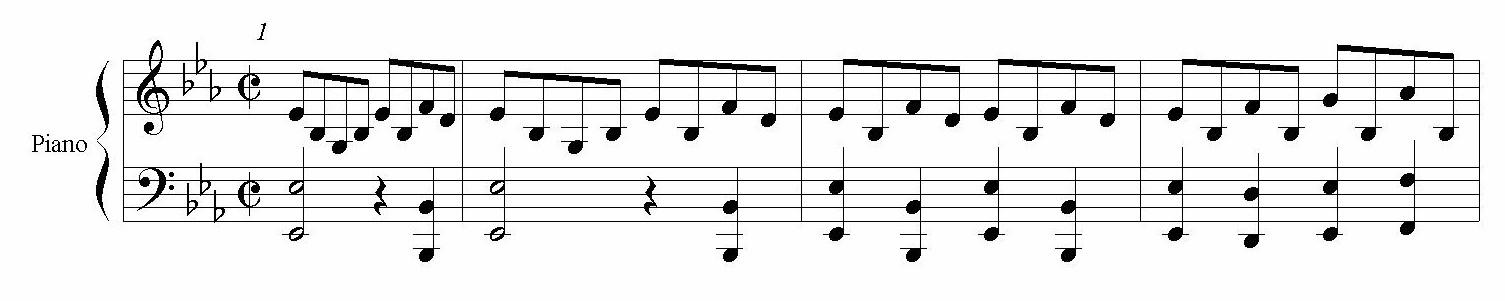
| Mozart wrote his Piano Concerto KV 271 at the age of 21 years, but nevertheless this work is to be considered like one of the most interesting Concertos by him and in the whole piano literature. It is a most unique and fresh piece, composed for a famous pianist, Miss Jeunehomme, whose stay in Salzburg gave to young Mozart the idea and the possibility of writing a most exceptional piece. We do not know much about this virtuosa, whose name was often miswritten by Mozart as Jenomi, Jenomy or J�nom�, but we can think she had not only a very brilliant technique, but also a very wide range of colours and a deep sensitivity. After having dedicated his works to Countess L�tzow, a very good pianist but, finally, an amateur, Mozart showed all his ability and the whole power of his fantasy in this great Piano Concerto, that Einstein declared to be �Mozart�s Eroica�. There are many peculiarities in this work; and this reason, that makes us love this Concerto so much, is also the reason that made this Concerto rejected by Editor Sieber. In fact this concerto is totally different from all the others Mozart wrote, and since the very beginning shows us an unconventional character. Instead of a long introduction played by the orchestra alone, we find an immediate dialogue between orchestra and piano. The first phrase is divided equally among the two �people�, solo and orchestra, and this dialogue will continue for the whole concerto. In the first movement, for example, many things are taken from the conventional Concerto form, but they are preceded or followed by piano unconventional phrases. Piano is present at the very beginning; before his first great solo (m. 60) it plays a light and gentle trill while the orchestra is ending its phrase (m. 56); before the Cadenza, after the piano has ended with its usual trill the re-exposition, there is again a dialogue between piano and orchestra; after the Cadenza itself, the trill we heard at the beginning is again proposed, and the piano does not renounce to its presence up to the very last bars. After the lunar beauty of the second movement, with its strange form and very lyric cadenza (followed, as usual in this Concerto, and as unusual in all the other ones, by a coda by piano and orchestra together), the third movement has a great surprise in it. In the middle of a classic Rondeau-form, Mozart puts an unexpected Minuet, built like a Theme with four Variations. This idea was also used by Haydn in a Trio, and by Mozart himself in his last Violin Concerto; but nevertheless it sounds enormously strange to find this oasis of light beauty in the frenetic movement of the Presto. But there are other interesting things in this Concerto: we think we have found in it the seeds of future pieces by Mozart, that he will use mostly in Opera, and so we think it is possible to call this piece an �operatic� concerto. In a not very proper way, we can find an operatic idea also in the famous beginning: that�s like a sudden opening of the curtain and an immediate beginning of the dramatic action. But soon we find the first, exciting meeting of our Opera gallery: at measure 88 (II theme by the piano, see fig. 1): the melody played by the piano, and the staccato accompaniment, reminds us very clearly the famous Arietta of Cherubino in The Marriage Of Figaro (1786!). At meas. 98 the new theme has the typical range of a sung melody (mm. 98-103); the same is to be said of the motive at b. 140 ff. |

|||||||||||||||||||||||||||||||||||||||||||||||||
![]() |
|||||||||||||||||||||||||||||||||||||||||||||||||
| Fig. 1: KV 271, I mov., b. 88 ff. | |||||||||||||||||||||||||||||||||||||||||||||||||
![]() |
|||||||||||||||||||||||||||||||||||||||||||||||||
| Fig. 2: Le Nozze di Figaro, Voi che sapete | |||||||||||||||||||||||||||||||||||||||||||||||||
| Moreover, the fiorituras are often written like for a coloratura-soprano, and the characters of the different themes and motives are clearly defined as in a plot. The second movement is so near to the world of opera that it seems superfluous to discuss about. Piano is treated sometimes like in a Recitative (e.g. b. 49, see fig. 3), sometimes like in an Aria (e.g. b. 16 ff.). The beautiful canonic introduction by the strings con sordina reminds us strongly Italian dramatic opera; we can think of some pieces by Pergolesi, and especially of Johann Christian Bach, the older friend and mentor of Mozart. The beginning is extremely similar to J. Chr. Bach�s Viola Concerto c-minor (same tonality, same style, very similar themes, use of the sordina); and this is very interesting, since J. Chr. Bach himself was best known for his Italian operas! |

|||||||||||||||||||||||||||||||||||||||||||||||||
![]() |
|||||||||||||||||||||||||||||||||||||||||||||||||
| Fig. 3: KV 271, II mov., b. 49 ff.: recitativo | |||||||||||||||||||||||||||||||||||||||||||||||||
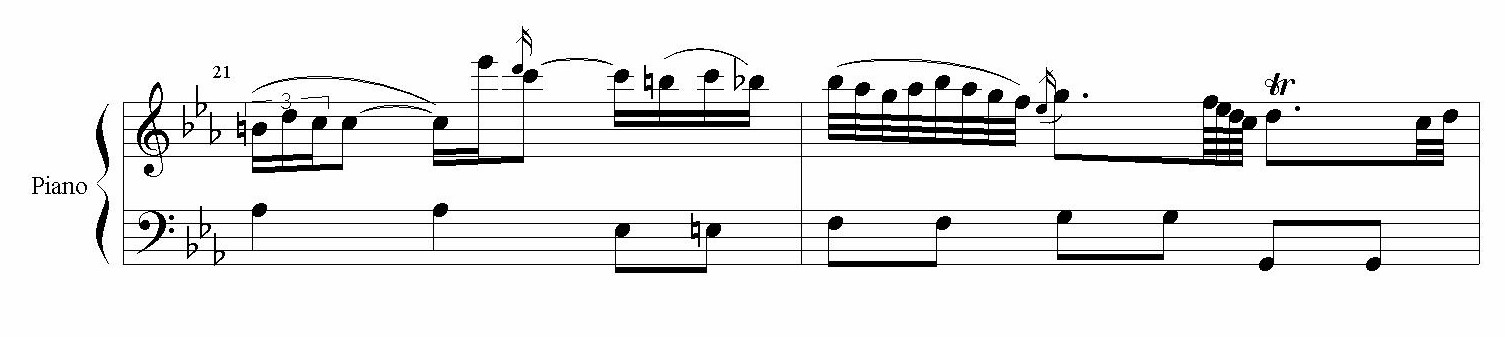
| A very interesting thing is also that Mozart has put down all the fiorituras, like if he would have prescribed to a prima donna how to sing his slow aria (see fig. 4). | |||||||||||||||||||||||||||||||||||||||||||||||||
![]() |
|||||||||||||||||||||||||||||||||||||||||||||||||
| Fig. 4: KV 271, II mov., b. 21 ff.: �fiorituras� | |||||||||||||||||||||||||||||||||||||||||||||||||
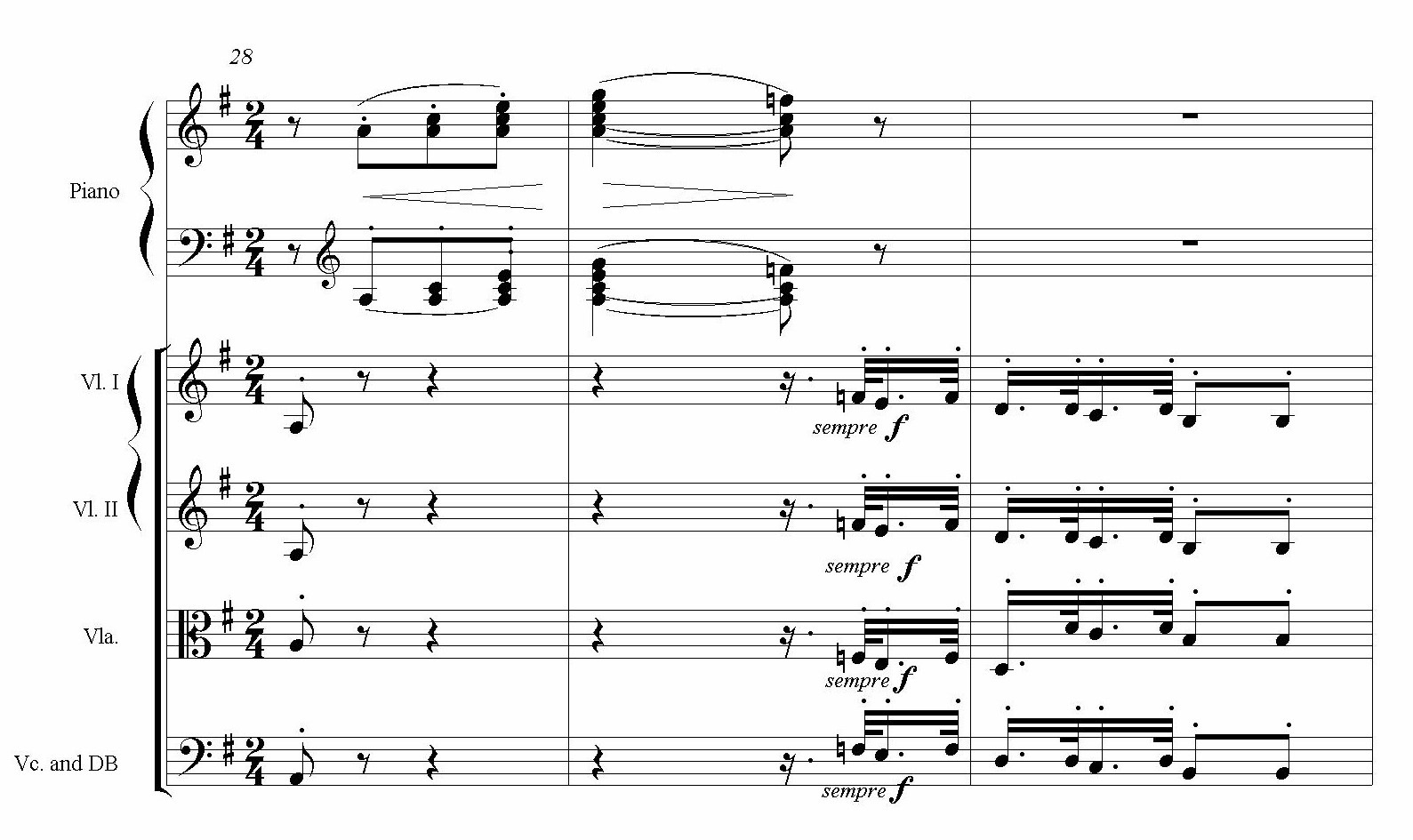
| But what is very exciting is to find in nuce some ideas that will be taken to perfection by the late Beethoven. The structure of this movement, with the piano playing a recitative and the orchestra replying, like the use of sordino, will be fully developed by Beethoven in his IV Piano Concerto op. 48. A typical Beethovenian fioritura (very rare in Mozart) is found also in meas. 62 (see fig. 5): | |||||||||||||||||||||||||||||||||||||||||||||||||
![]() |
|||||||||||||||||||||||||||||||||||||||||||||||||
| Fig. 5: KV 271, II mov., b. 61-62: Beethovenian fioritura | |||||||||||||||||||||||||||||||||||||||||||||||||
![]() |
|||||||||||||||||||||||||||||||||||||||||||||||||
| Fig. 6: Beethoven, IV Piano Concerto, m. 28 ff.: �recitativo� and alternation with orchestra | |||||||||||||||||||||||||||||||||||||||||||||||||
| After a while there is a wonderful example of �rubato� written down by the composer: between m. 90 and 91 Mozart prescribes a strong rubato by writing it rhythmically: | |||||||||||||||||||||||||||||||||||||||||||||||||
![]() |
|||||||||||||||||||||||||||||||||||||||||||||||||
| Fig. 7: Mozart�s writing of a Rubato and the �spoiled� version (KV 271, II mov., m. 90 f.) | |||||||||||||||||||||||||||||||||||||||||||||||||
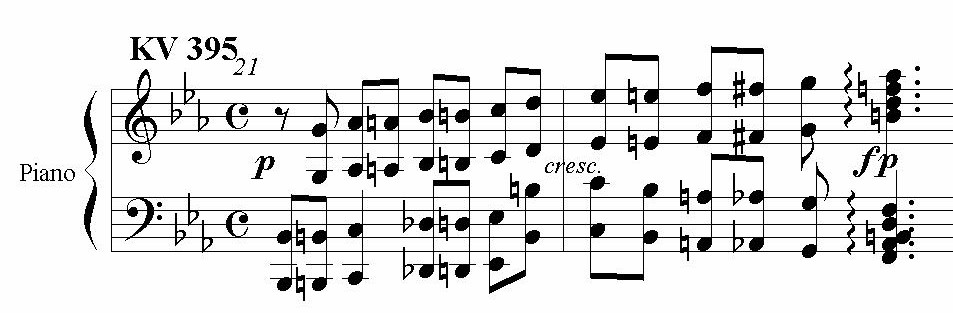
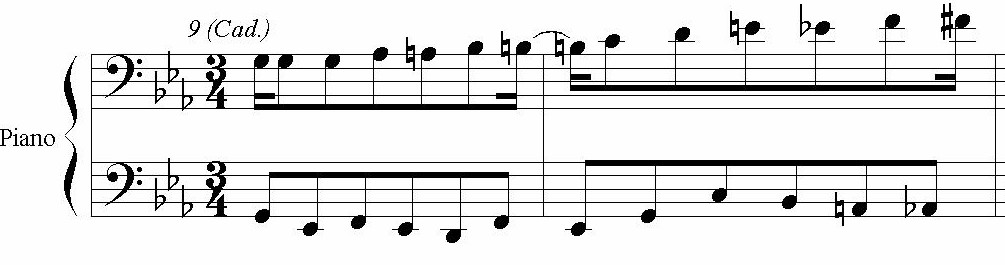
| In the beautiful Cadenza, that has no virtuosity but is a sober prolongation of the themes in II mov., we find another quotation, from Mozart�s Preludio-Capriccio KV 395 (1777; see fig.8-9): | |||||||||||||||||||||||||||||||||||||||||||||||||
![]() |
|||||||||||||||||||||||||||||||||||||||||||||||||
| Fig. 8: Preludio-Capriccio KV 395, m. 21 | |||||||||||||||||||||||||||||||||||||||||||||||||
![]() |
|||||||||||||||||||||||||||||||||||||||||||||||||
| Fig. 9: KV 271, II mov., Cadenza, m. 9 | |||||||||||||||||||||||||||||||||||||||||||||||||
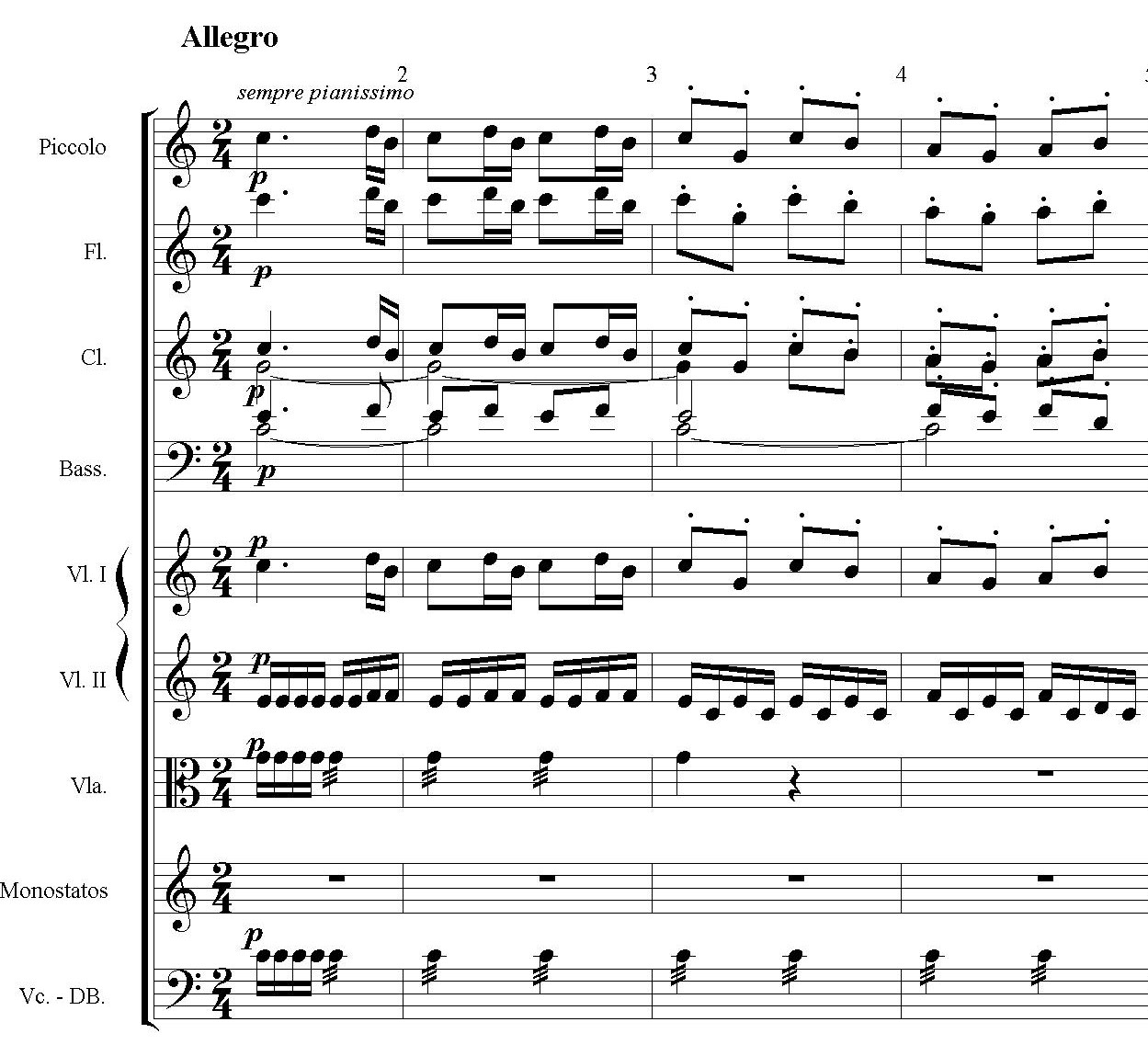
| Third movement opens with a shocking anticipation of Monostatos� Aria �Alles f�hlt der Liebe Freuden�, from Mozart�s Zauberfl�te (KV 620, 1791); and what is mostly curious is that not only the theme is the same, but also the character is the same: a rude but comical person, a grotesque solemnity. | |||||||||||||||||||||||||||||||||||||||||||||||||
| Fig. 10: KV 620, Monostatos� Air | |||||||||||||||||||||||||||||||||||||||||||||||||
![]() |
|||||||||||||||||||||||||||||||||||||||||||||||||
| Figure 11: KV 271, beginning III mov. | |||||||||||||||||||||||||||||||||||||||||||||||||
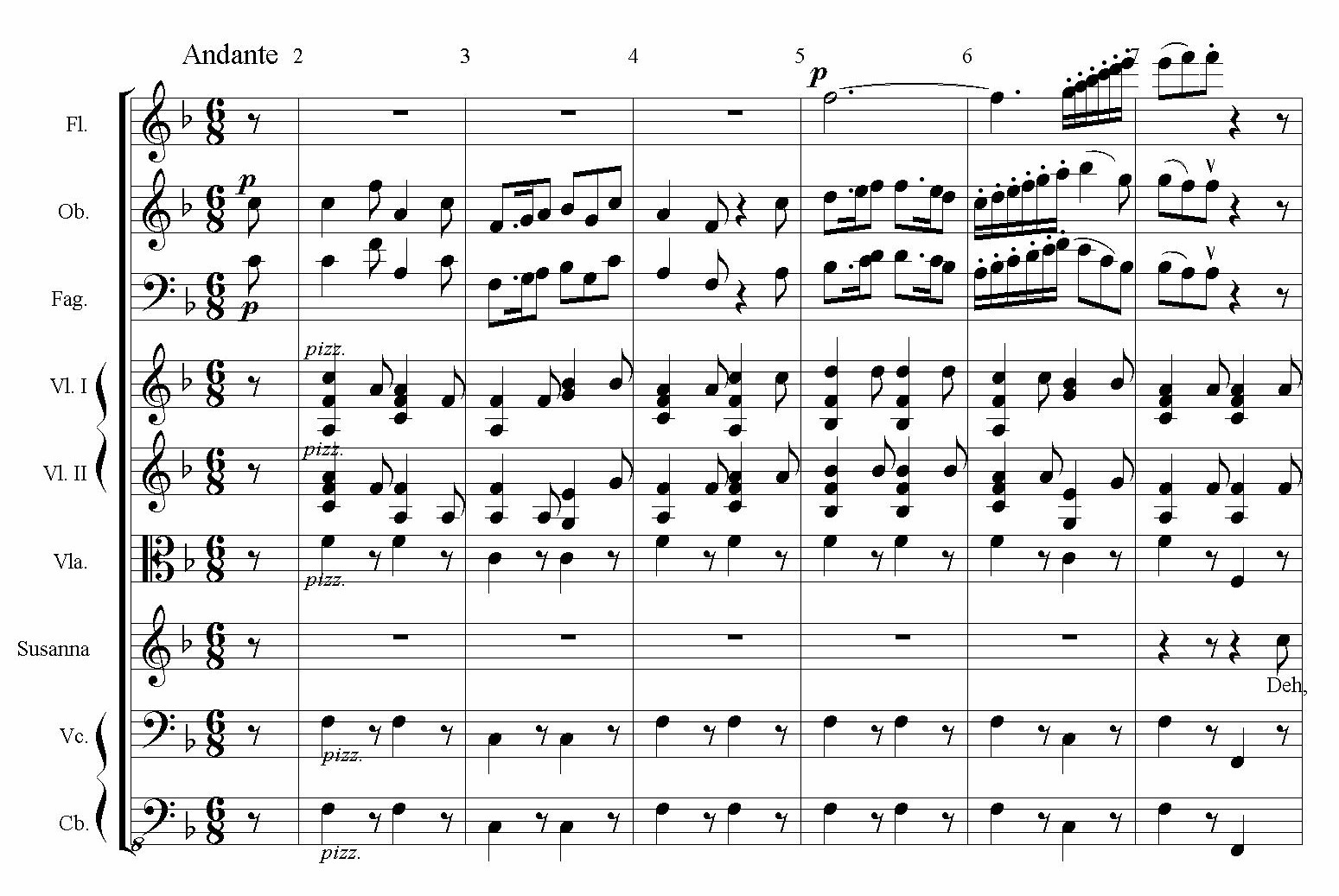
| The Menuet is very close to some beautiful �garden scenes� by Mozart; among the others we can think of Deh, vieni, non tardare from The Marriage of Figaro: we have a beautiful melody, with fiorituras written down carefully, and with an accompaniment of pizzicato strings. At meas. 243 the cadence is very close to those in the middle section (minor) of the Entf�hrung aus dem Serail Ouverture. | |||||||||||||||||||||||||||||||||||||||||||||||||
![]() |
|||||||||||||||||||||||||||||||||||||||||||||||||
| Fig. 12: Mozart, The Marriage of Figaro, Deh, vieni, non tardare. | |||||||||||||||||||||||||||||||||||||||||||||||||
| Even if some of the above-mentioned peculiarities and anticipations may be casual, we think it is certain that the full atmosphere of this great and beautiful concerto comes from the enchanted world of Opera; and we know how important opera was in Mozart�s mind and poetry. There is hardly a note by Mozart that could not be part of an opera�! | |||||||||||||||||||||||||||||||||||||||||||||||||