Art and Music

By Cy and Savanah

Art and Culture in the 1930s

Culture was a major aspect of the 1930s, ranging from music, to art, to theatre. Main cultural programs, like (PWAP) and (WPA), were initiated based on a concern for labor.
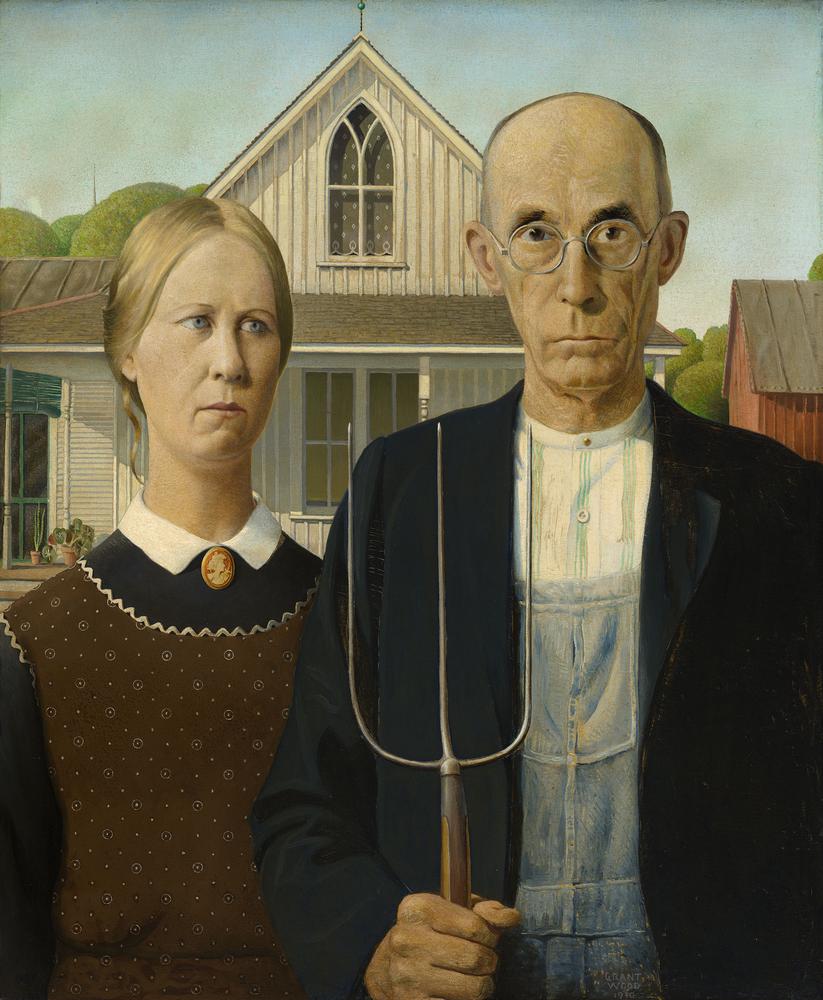
Public Works of Art Project

The Public Works of Art Project, or (PWAP), was created for the purpose of giving people jobs. PWAP employed people to create art to embellish public buildings. The PWAP was also a part of the Civil Works Administration, which created jobs over the winter of 1933. Some of the artists working for PWAP also recieved funds from the Civil Works Administration, created to increace the efforts of state and local governments.

The Federal One

The Federal One, part of the WPA, was comprised of 5 different groups; the Federal Art Project, the Federal Music Project, the Federal Theatre Project, the Federal Writers Project, and the Historical Records Society. The WPA, also known as the Works Progress Administration, was another massive employment relief program, alike to the PWAP. The Federal One was unique in its attemps to accomplish broad public cultural goals. Each division of the Federal One became a producer of of cultural programs. The WPA also sent out artists to find and record examples of american furnature and tools from the colonial period, filling the Index of American Design.


Creation of New Music

Music durring this time was new and inovative, having recieved funds from the WPA and other orginizations to create culture.

Brother Can You Spare A Dime

Federal Music Project

The Federal Music Project was directed by Nikolai Sokoloff, a former conducter of the Cleveland Symphony. The FMP employed about 16,000 musicians at its peak, and contained multiple ensembles, from orchestras to dance bands. There were an estimated 5,000 performances before some three million people each week.

The FMP also provided musical classes in rural and urban areas, instructing about 132,000 children and adults in 1939 alone. Composers in major cities were able to hear their music in full instrumentation.

Red Rocks Amphitheatre

The amphitheatre at Red Rocks was also created in this time period, funded by the CCC and the WPA. The plans for Red Rocks were completed in 1936, and the amphitheatre was constructed in 1941. Since the first performance, Red Rocks has atracted some of the best musicians.

Developments in Art

Art in the 1930s included everything from painting to construction, providing jobs to many people in america.

Federal art project

At its height in 1936, the Federal Art Project had employed around 5,300 visual artists. They produced many types of art, including murals, paintings, and sculptures. The Federal Art Project also employed teachers in setelment homes and comunity centers, where about 50,000 people participated per week. They also staffed 100 art centers across 22 states, and served an estimated 8 million people.

The Federal One also believed in bringing culture to the masses, and encouraging artists across the country. The Federal Art Project set up projects everywhere they could, Mainly concentrating on visual arts, including paintings, drawings, photography, stained glass and posters.

Sources


ABC-CLIO. "American History." American History - ABC-CLIO Solutions. N.p., n.d. Web. 26 Jan. 2017.

"About." Red Rocks Entertainment Concerts. N.p., n.d. Web. 26 Jan. 2017.

Adams. New Deal Cultural Programs. N.p., n.d. Web. 26 Jan. 2017.

"New Deal Programs: Selected Library of Congress Resources." Federal Music Project: New Deal Web Guide (Virtual Programs & Services, Library of Congress). N.p., n.d. Web. 26 Jan. 2017.