
(USING MONOCHROMATIC COLOR SCHEMES ON COPPER)
|
|
|
|
|
|
|
|
|
|
|
|
|
|
|
|
|
|
|
|
|
|
| what is japonisme? | |
||||||||||||||||||||
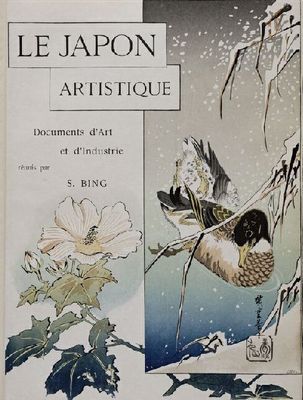
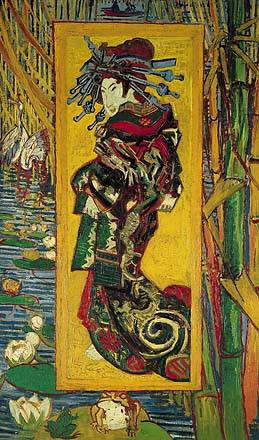
| Impressionism's revolutionary opening coincided with the opening of the ports in Japan, allowing Japanese art and culture to pervade the Western world. With the onset of Japanese trade came a fascination of all things Japanese by the French Impressionists, who were amazed by the beauty and technique of Japanese woodblock prints. A curio shop known as Le Porte Chinois opened near the Louvre, inviting curious onlookers to view and purchase various Oriental artifacts, such as traditional fans, kimonos in brocade, hanging scrolls, ceramics, bronze objects, and Buddhist objects. Artists often bought these goods and used them as props in their paintings to add a dimension of Asian flair to them, once more challenging the traditional conventions of the time in focusing solely on Western culture and training in art. French impressionists gained a deep respect for the flat, decorative shapes found in the wood block prints of Japan. In fact, the leading artists of the time borrowed from the bright colors of the Japanese wood blocks and used the classic assymetric compositions of the "ukiyo-e" (or "images of the floating world" of popular entertainment), adopting these art forms into their newfangled paintings. | |||||||||||||||||||||
|
|
||||||||||||||||||||
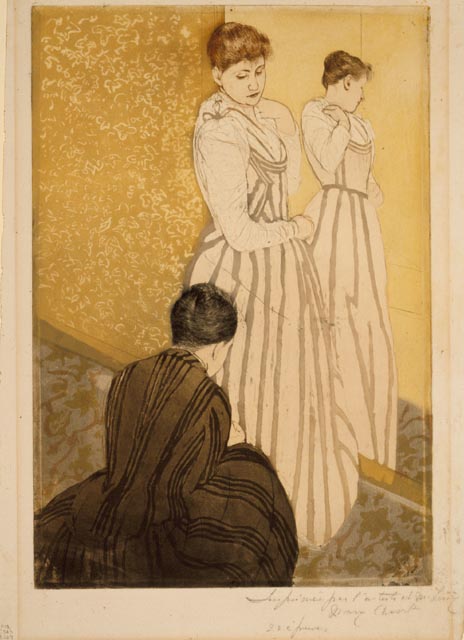
| MARY CASSATT: "THE FITTING" (USING MONOCHROMATIC COLOR SCHEMES ON COPPER) |
|||||||||||||||||||||
| VAN GOGH: "LA COURTISANE" | |||||||||||||||||||||
|
|
||||||||||||||||||||
| Because of the onslaught of Japanese culture, Impressionists found printmaking incredibly interesting and experimented in creating wood block prints similar to their Japanese counterparts. From this came the art of creating lithographs, or prints from oil-based ink designs on wet stones. Etchings also became a popular mode of experimentation as artists as well known as Degas, Monet, and Cassat became experts in printmaking from designs etched into metal plates with acid. | |||||||||||||||||||||
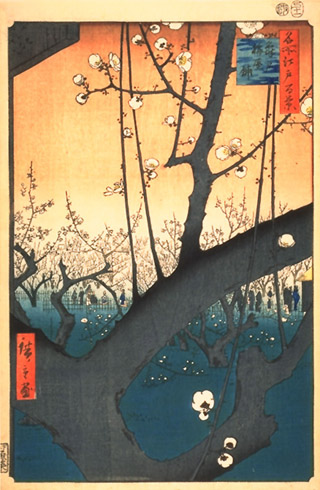
| HIROSHIGE: "ONE HUNDRED FAMOUS VIEWS OF EDO" | |||||||||||||||||||||
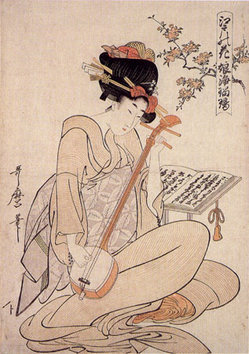
| UTAMARO: "FLOWERS OF EDO" | |||||||||||||||||||||
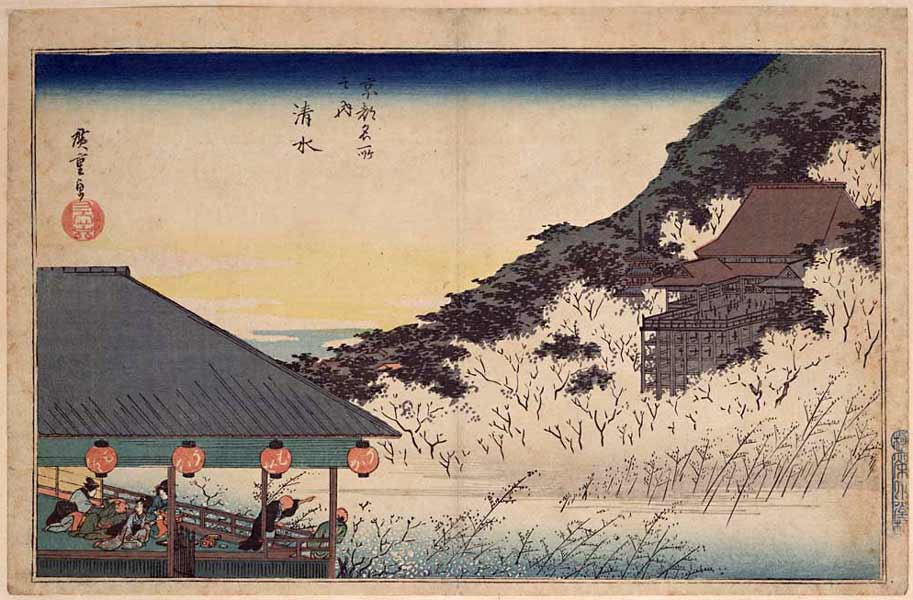
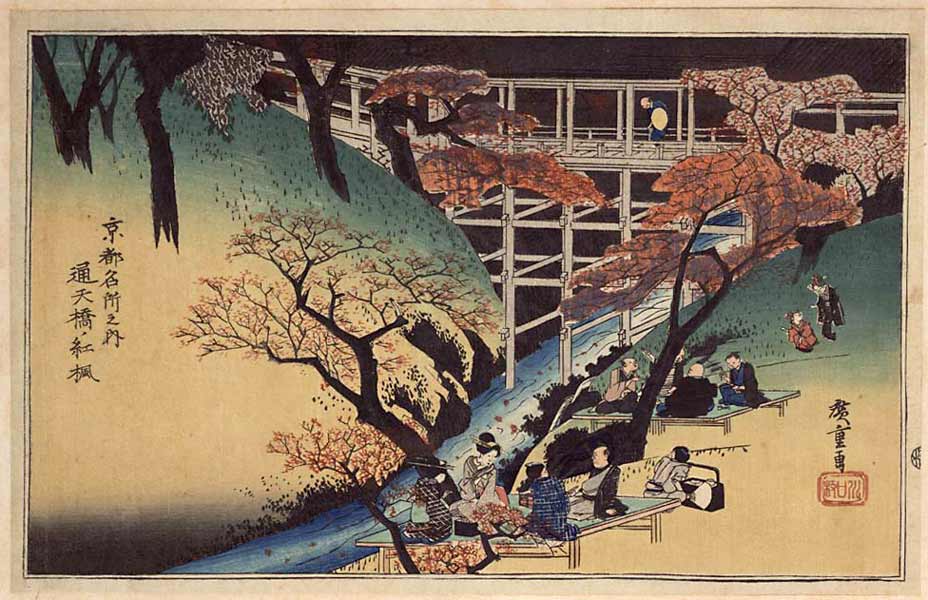
| Two of the most influential Japonisme artists to come about in the later half of the nineteenth century were Kitagawa Utamaro and Hiroshige, whose work was older yet successfully made a huge impact in the world of French Impressionist art. | |||||||||||||||||||||
|
|||||||||||||||||||||
|
|||||||||||||||||||||
| TRADITIONAL UKIYO-E ART | |||||||||||||||||||||
| thanks to "polyboom" at www.deviantart.com/view/13105813 | |||||||||||||||||||||