 |
|
|
|
|
|
|
|
|
|
|
|
|
|
|
|
|
|
|
|
|
|
|
|
|
The Influence of Japonisme |
|
 |
|
|
 |
|
|
|
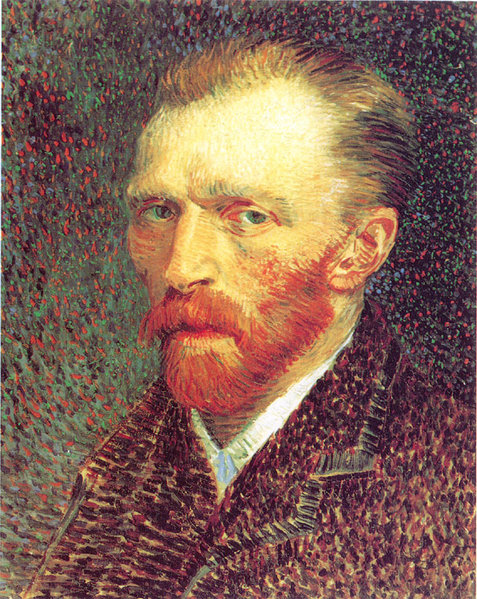
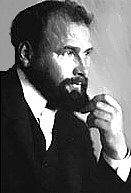
French impressionists, after having been exposed to the simplicity and engaging societal messages of ukiyo-e prints, became avid followers of Japonisme. Among the most ardent followers of Japonisme was VINCENT VAN GOGH. And among the most experiemental in the welding of international art into something distinctly Impressionist was Gustav Klimt. |
|
|
|
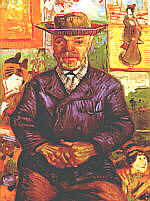
Vincent Van Gogh was first exposed to Japanese prints in 1885 in his native Antwerp, Netherlands. Thereafter, he moved to Paris with his brother Theo, whose art gallery in Montmartre featuring ukiyo-e prints gave the artist his first true taste of what was to become a source of inspiration for his bold, logic defying work. It certainly helped that Theo's art gallery played neighbor to that of the famed art dealer and woodblock print enthusiast Samuel Bing.
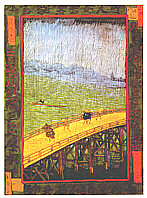
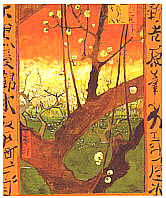
Heavily incorporating elements of Japonisme in his work as the years went by, van Gogh's great admiration for Japanese prints led him to paint copies of Hiroshige, who was a famed Japanese artist and expert in printmaking. In fact, it was Hiroshige who influenced van Gogh to use heavily contour lines to outline details that needed to be emphasized -- a very Japanese characteristic in that it showed emphasis on the bold, simple lines of the subject at hand. Throughout his work, one can notice the usage of brushstrokes and lines unconventional to Realism in showing texture. Van Gogh's adoration of Japonisme is, hence, apparent in his creative genius. |
|
|
 |
|
 |
|
|
|
 |
|
|
VAN GOGH: "BRIDGE IN THE RAIN" |
|
|
|
|
VAN GOGH: "PLUM TREE IN BLOOM" |
|
VAN GOGH: "PERE TANGUY" |
|
|
|
|
"I envy the Japanese artists for the incredible neat clarity which all their works have. It is never boring and you never get the impression that they work in a hurry. It is as simple as breathing; they draw a figure with a couple of strokes with such an unfailing uneasiness as if it were as easy as buttoning one's waist coat."
---Vincent van Gogh |
|
|
|
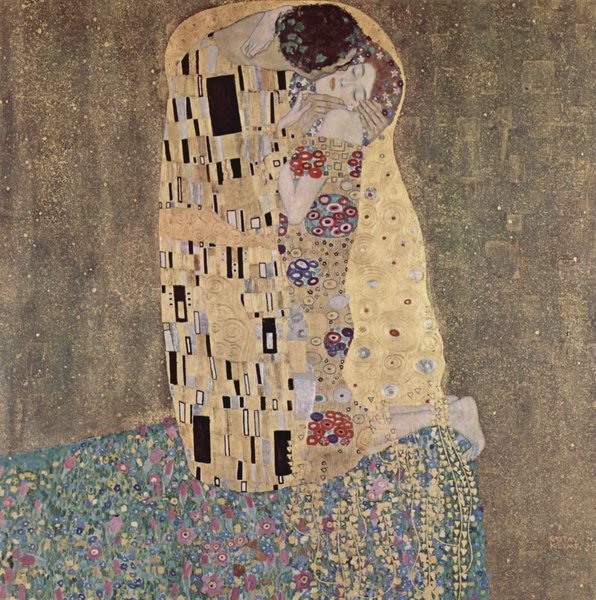
In comparison to Vincent Van Gogh, Gustav Klimt's name is less well known in the art world. However, his work successfully uses ukiyo-e concepts of lines, patterned surfaces, and contrasting voids to express his mood in "The Kiss," one of Klimt's most celebrated pieces. In fact, his interest in ukiyo-e and subsequent study of it through his art moved much of the art world into the realm of Art Nouveau during the early part of the twentieth century, introducing cubism and Occidentalism to Western Europe. |
|
|
|
 |
|
|
KLIMT: "THE KISS" |
|