|
|
|
|
Location: |
l5°05'N, 120°53'E; near the towns of Candaba, San Miguel
and San Ildefonso, 50 km NNW of Metro Manila, Pampanga and Bulacan Provinces,
central Luzon. |
|
Area: |
32,000 ha. |
|
Altitude: |
11 m. |
|
Description of site: |
A complex of freshwater ponds, swamps and marshes with
surrounding areas of seasonally flooded grassland, arable land and palm
savanna on a vast alluvial flood plain. The entire area is usually flooded in
the wet season, but most of it dries out during the dry season (late November
to April) and is converted into rice fields and plantations of water melons.
The main area for waterfowl is an impoundment of about 300 ha, with a mixture
of open shallow water, small islands, and rafts of floating vegetation, adjacent
to the Pampanga River about nine km north of Baliuag. The impoundment is used
as a fish pond during the rainy season, and then drained in January or
February to be used for agriculture. |
|
Climatic conditions: |
Tropical climate with a pronounced dry season from
November to May and a pronounced wet season from June to October. |
|
Principal vegetation: |
Most of the flood plain is under cultivation for rice and other
crops, and there are some patches of Nypa fruticans and mangroves in
surrounding areas. |
|
Land tenure: |
A small part of the swamp is state owned and has been
classified as "alienable and disposable"; the remainder is
privately owned by many individuals. |
|
Conservation measures
taken: |
The swamp has been declared a bird sanctuary and the
municipal government under Mayor Jerry Pelayo with the support of the
national government and private organizations is undertaking measures to rehabilitate
and conserve the swamp and its diverse wildlife for the future
generations. Hunting has been banned
and shift of land use is being strictly regulated. |
|
Land use: |
Aquaculture (fish ponds) and agriculture (mainly rice and
water melons); fish ponds and cultivation of rice in surrounding areas. Mayor Jerry Pelayo with the support of
other land title holders is consolidating some 500 hectares for a permanent
bird and wildlife sanctuary. |
|
Possible changes in
land use: |
The swamp may be converted into a retention basin for
routing peak discharges. Mayor Jerry
Pelayo is working for the building of mini dams and retention ponds at
strategic places to benefit both the farmers and the conservation effort. |
|
Disturbances and
threats: |
Some siltation is occurring, but this is unlikely to be
very serious in the short term unless drastic erosion takes place in the |
|
Economic and social
values: |
The swamp is important for agricultural and fisheries
production (mainly Chanos chanos), for flood control, and as a source
of water for irrigation. It is a favorite spot for local and visiting
bird-watchers and naturalists, and has great potential for nature-oriented
outdoor recreation and conservation education as there are few other places
so close to the metropolitan area of |
|
Fauna: |
An extremely important staging and wintering area for
ducks, especially in October and November when the swamp regularly supports
between 5,000 and 10,000 birds. In 1982, about 100,000 ducks were observed in
a single day. No other site in the In the last three years since 2002 officially sighted by the Wild Bird
Club of the Philippines and other enthusiasts
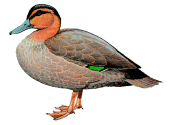
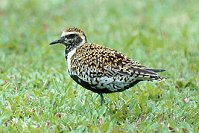
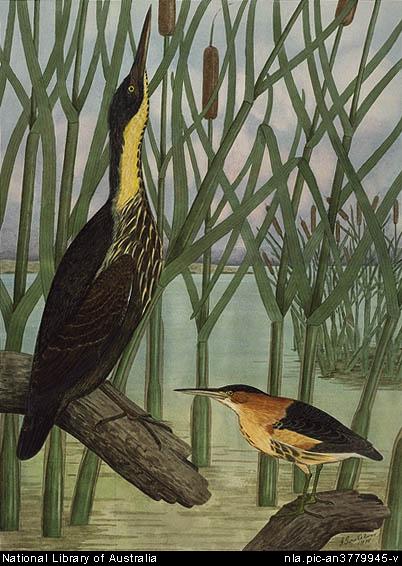
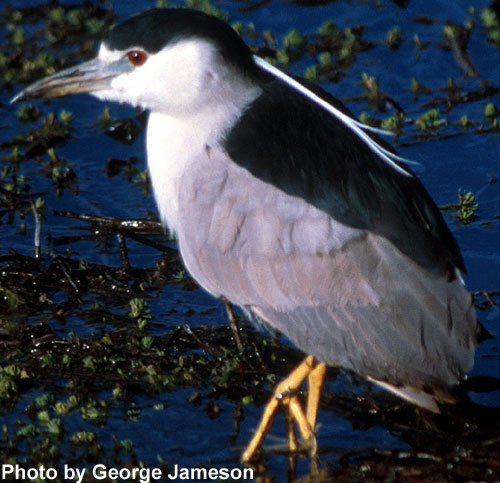
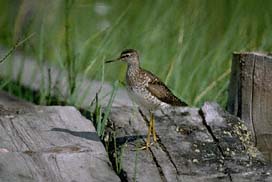
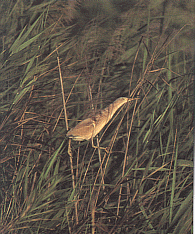
were: Philippine Duck ,Asian Golden Plover, Bittern, Black
Bittern, Black
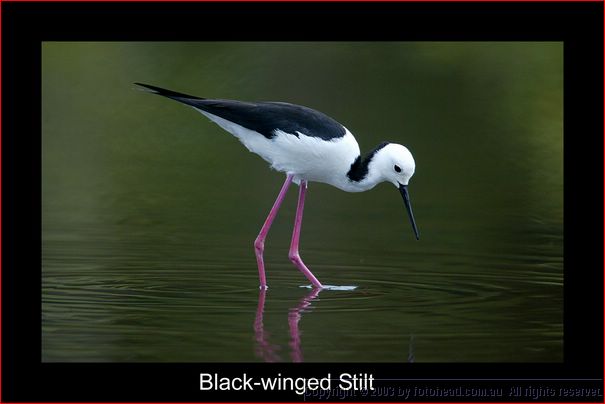
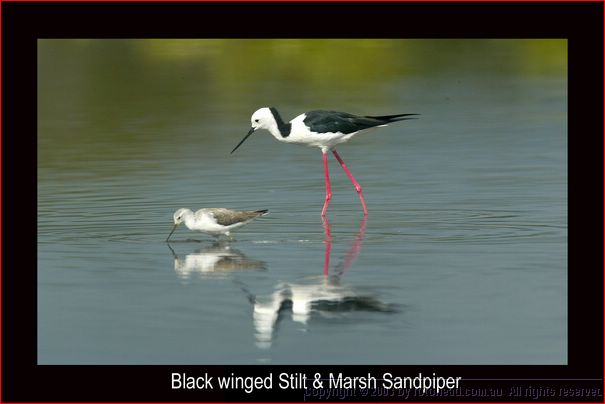
Crowned Night Heron, Black
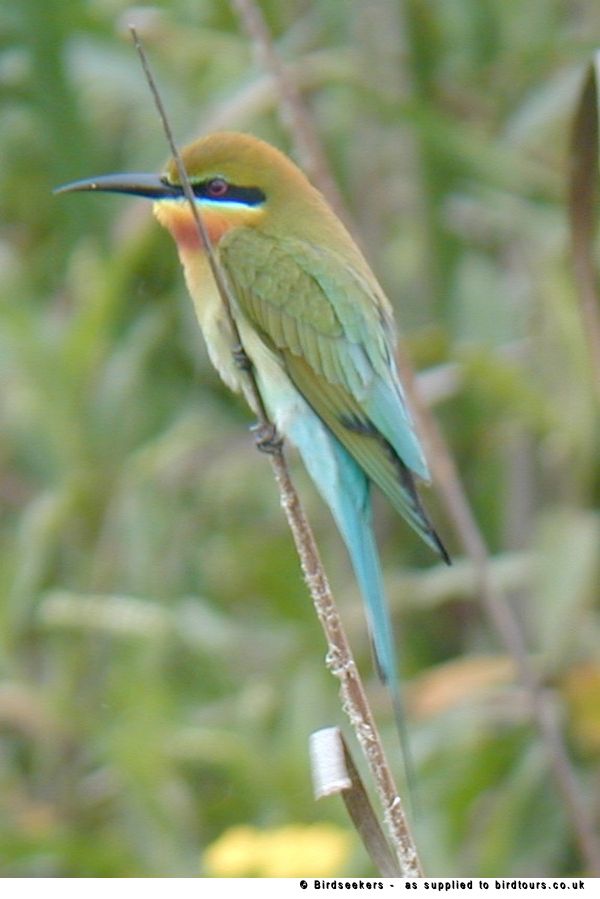
Winged Stilt, Blue Tailed
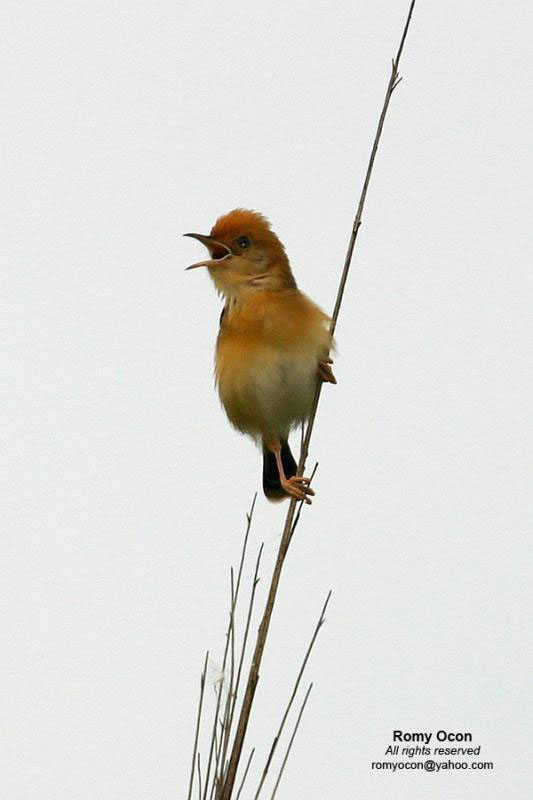
Bee Eater, Bright-capped
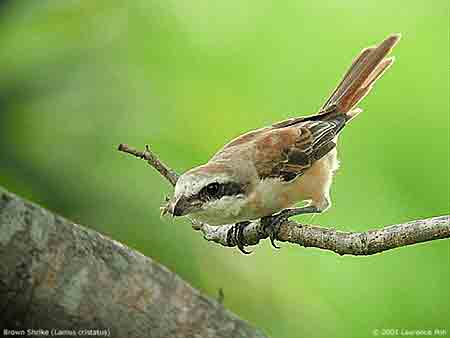
Cisticola, Brown Shrike,
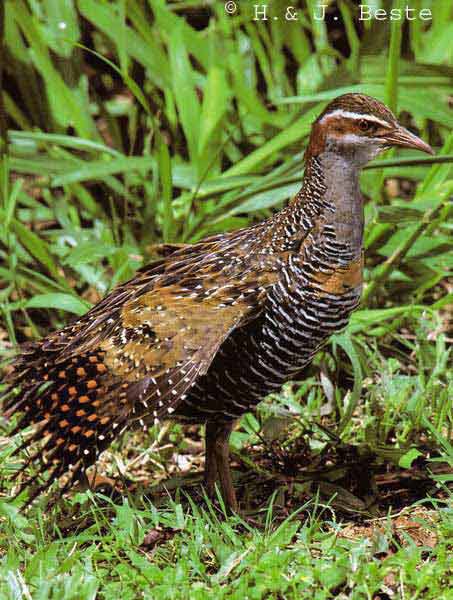
Buff-banded Rail, Chestnut-breasted Munia,
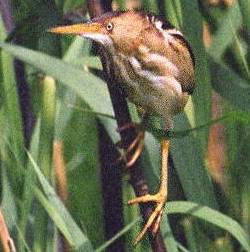
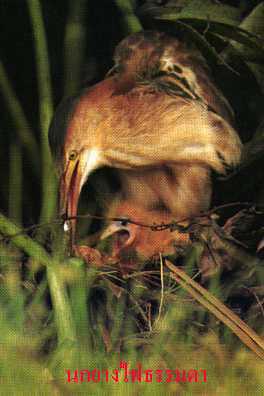
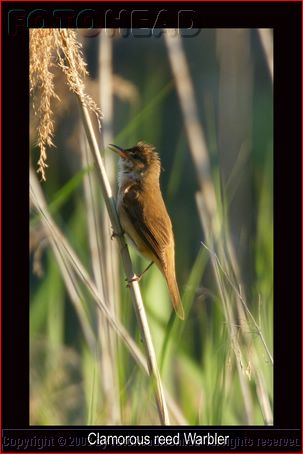
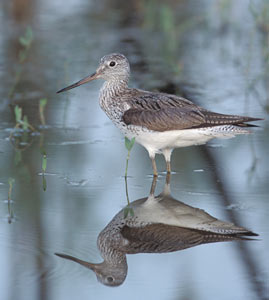
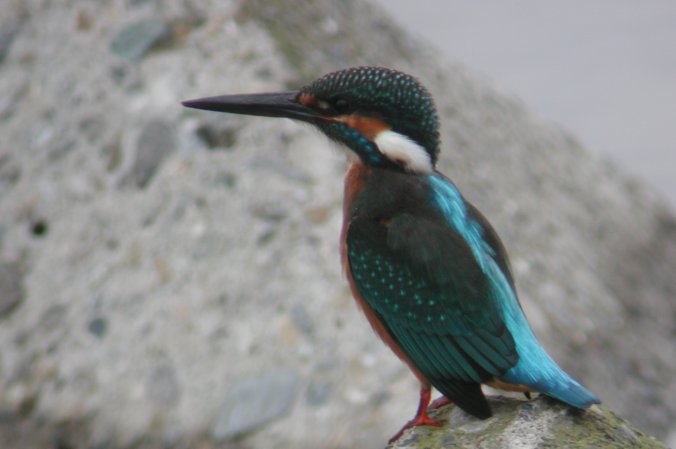
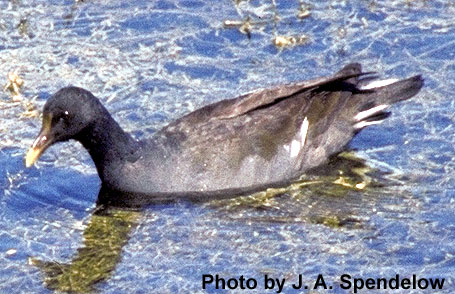
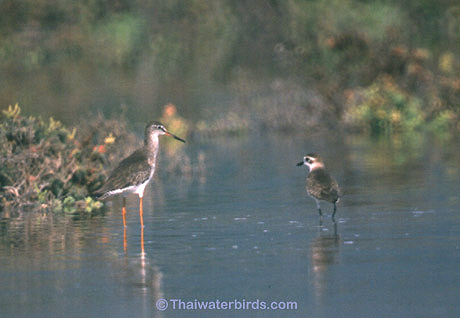
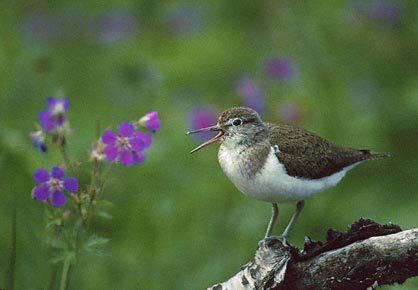
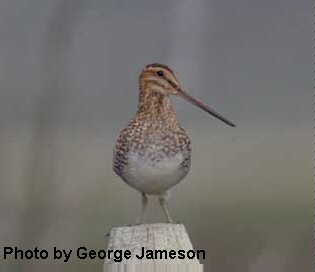
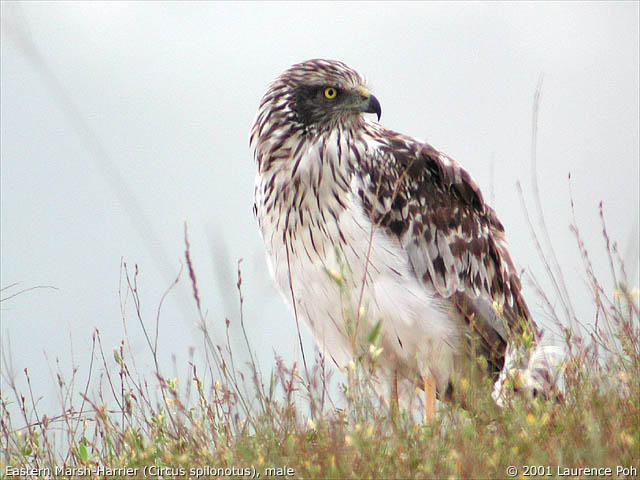
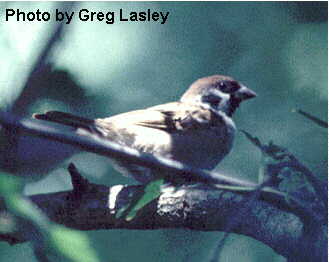
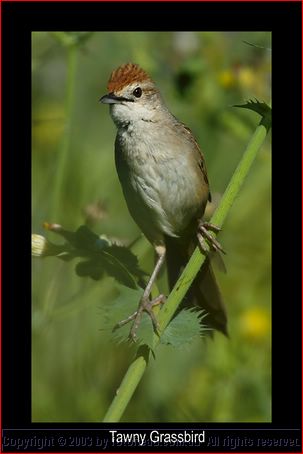
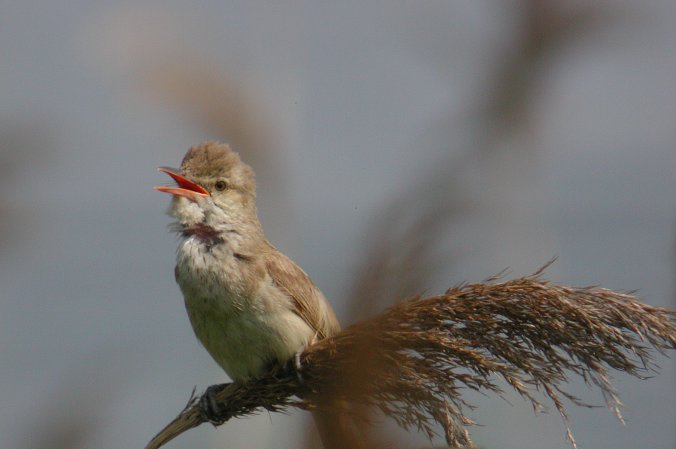
Cinnamon Bittern, Clamorous Reed Wabler, Common Green Shank, Common Kingfisher, Common Moorhen, Common Red Shank, Common Sandpiper, Common Snipe, Eastern Marsh Harrier, Eurasian Tree Sparrow, Garganey, Grassbird
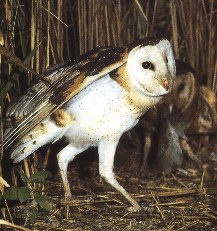
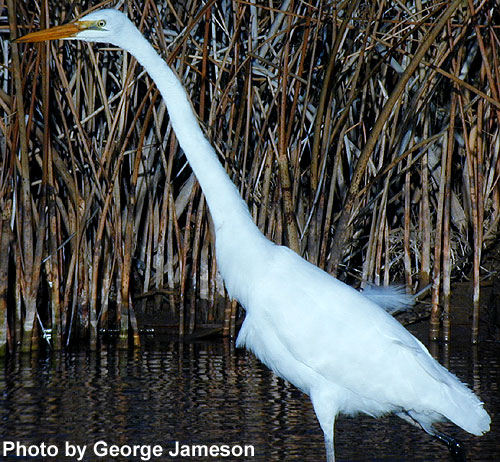
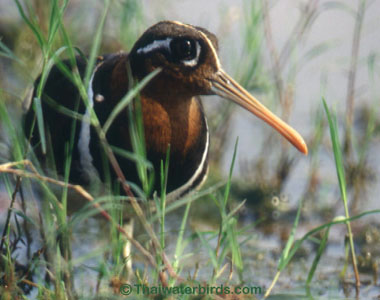
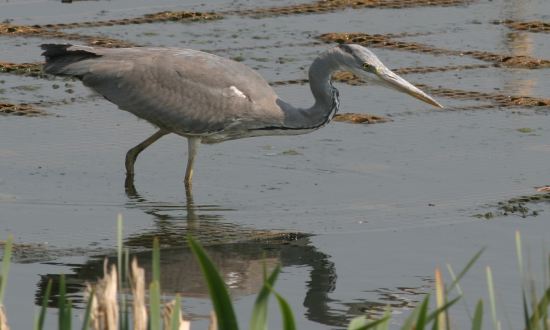
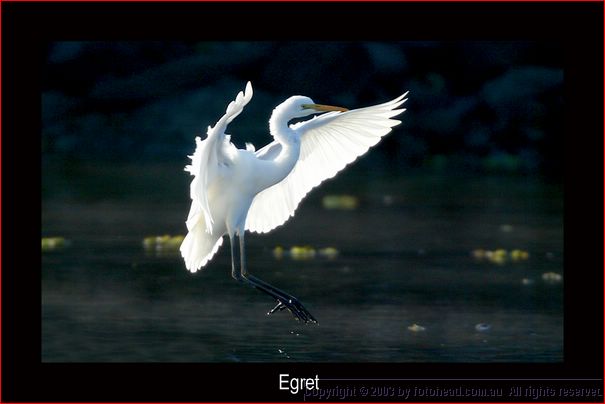
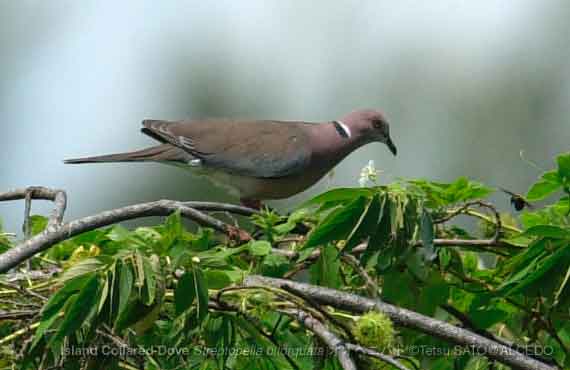
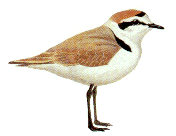
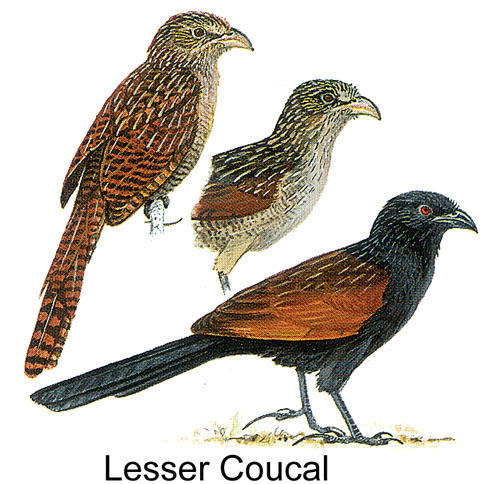
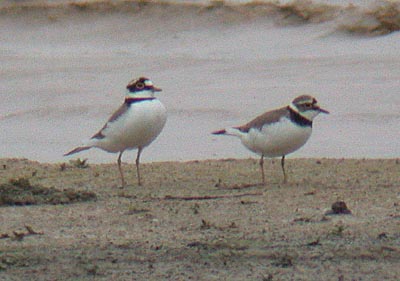
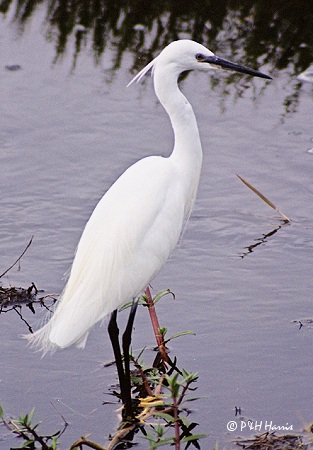
Striated, Grassowl, Great Egret, Greater-painted Snipe, Grey Heron, Intermediate Egret, Island-collared Dove, Kentish Plover, Lesser Coucal, Little-ringed Plover, Little Egret, Little Grebe, Long-toed Stint, Marsh Sandpiper, Middendorf’s Grasshopper Warbler,
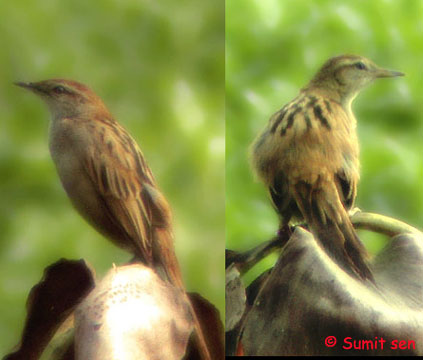
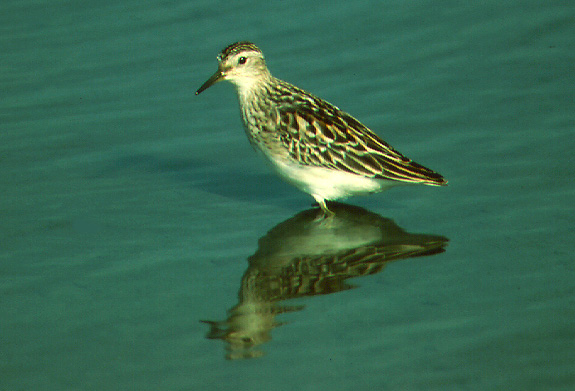
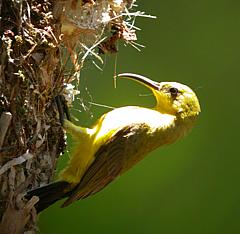
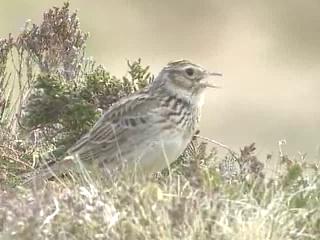
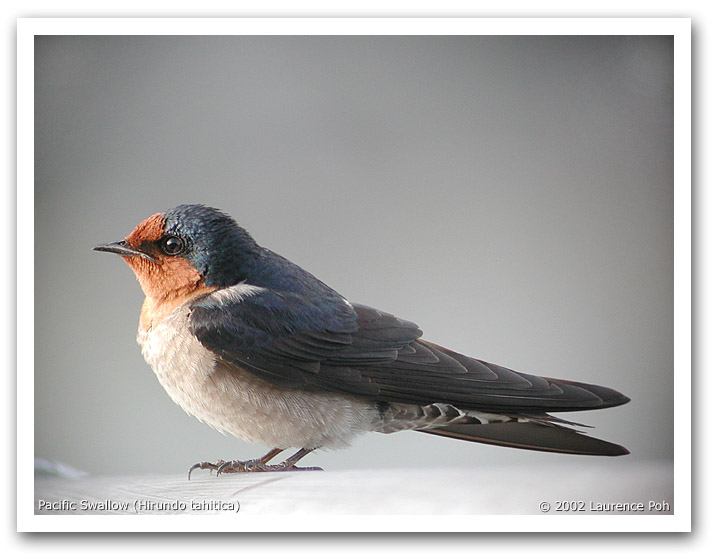
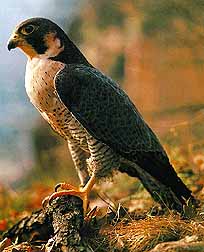
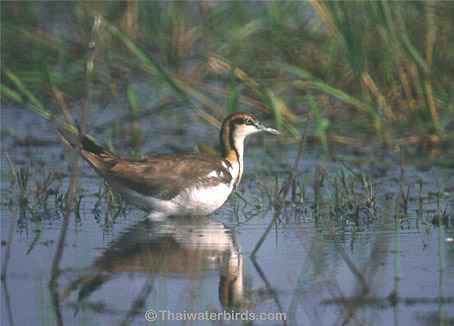
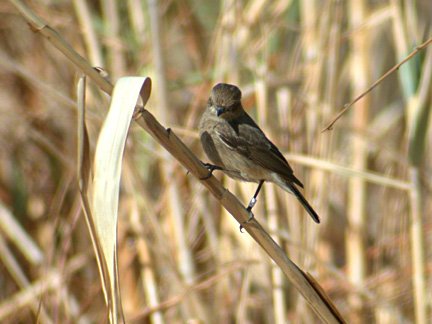
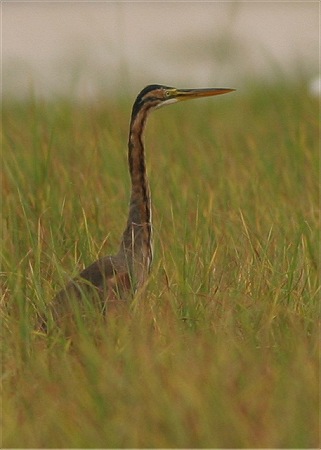
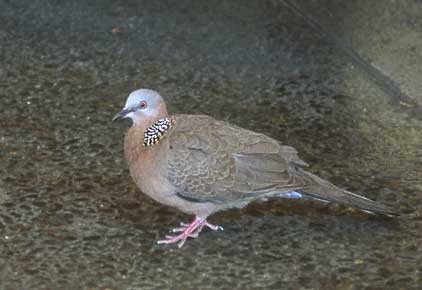
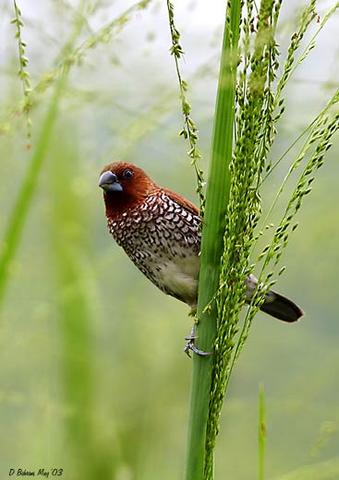
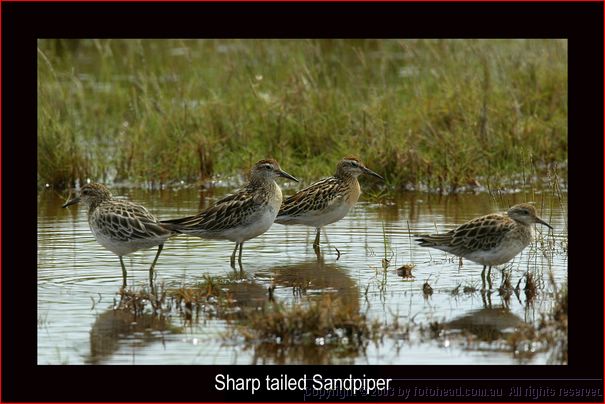
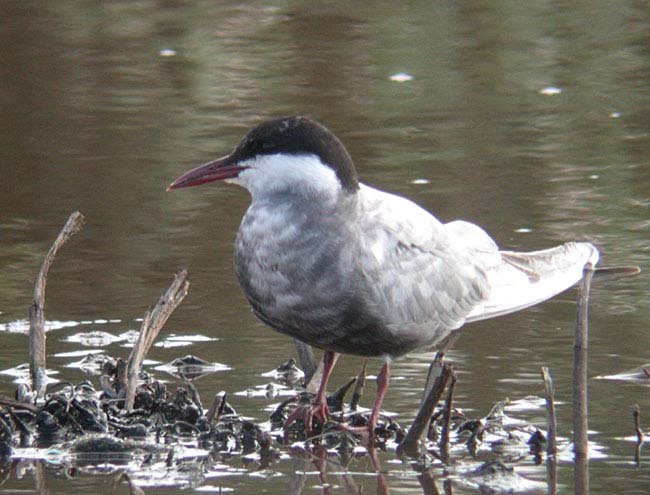
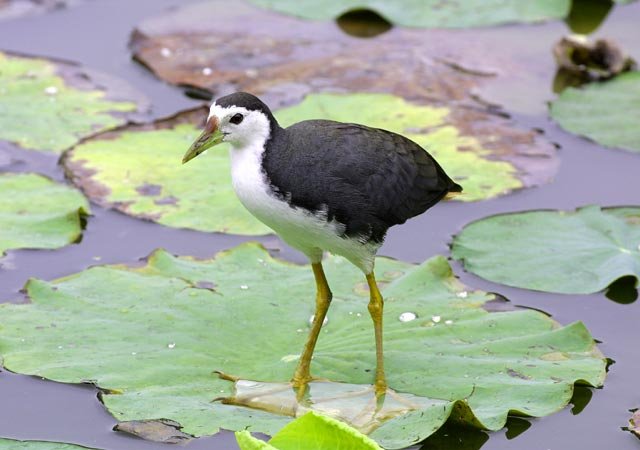
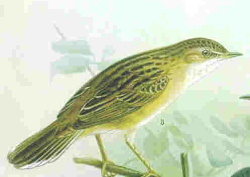
Olive-backed Sunbird, Oriental Pratincole, Oriental Skylark, Pacific Swallow, Peregrine Falcon, Pheasant-tailed Jacana, Pied Bushchat, Pied Fantail, Purple Heron, Richards Pipit, Spotted Dove, Scalt-breasted Munia, Sharp-tailed Sandpiper, Tawny Grassbird, Watercock, Whiskered Tern, White-breasted Waterhen,
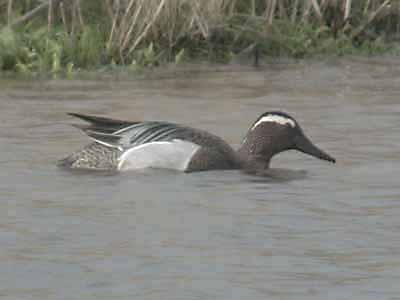
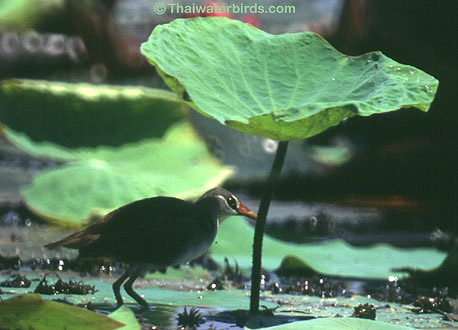
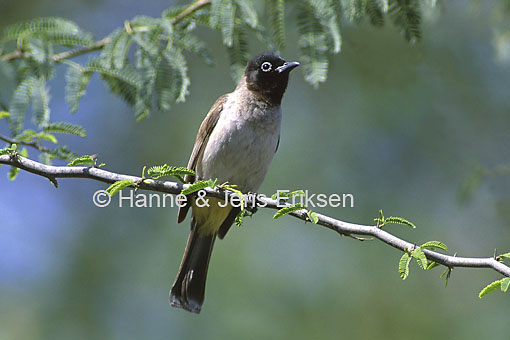
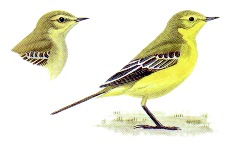
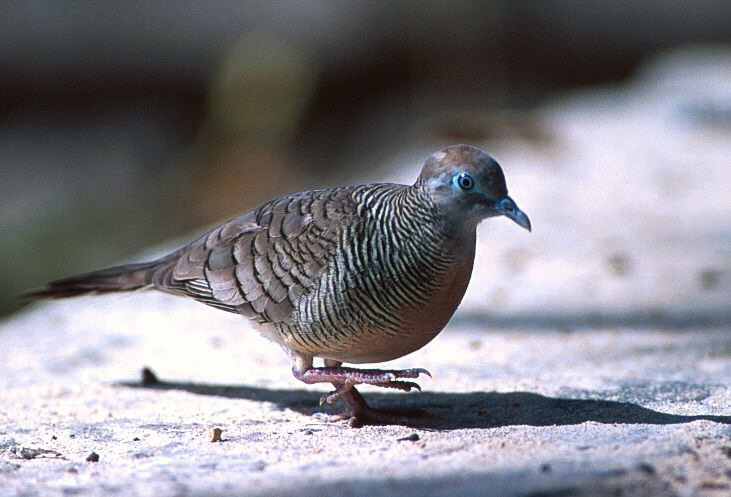
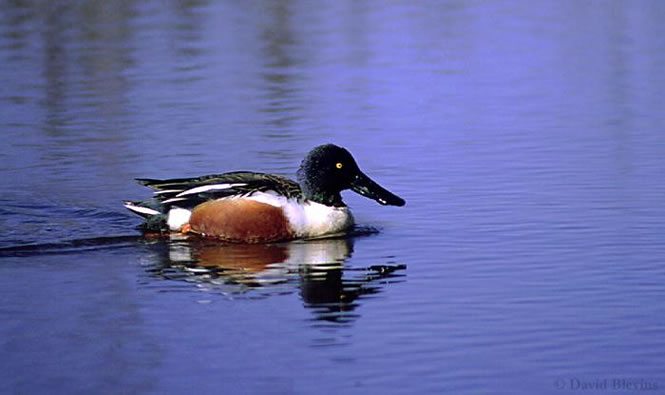
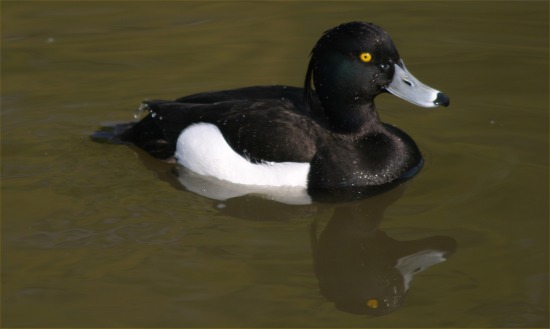
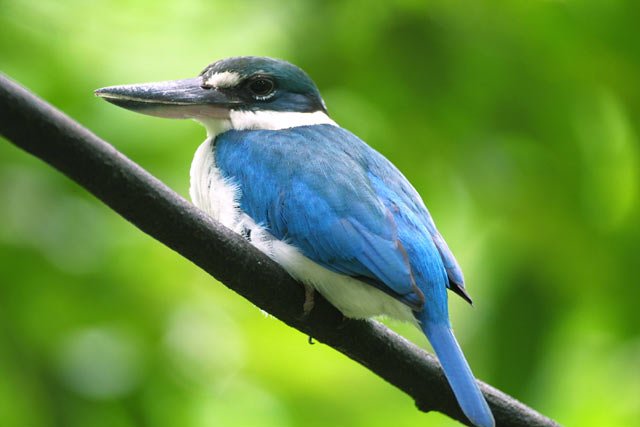
White-browed Crake, White-winged Blacktern, White-winged Blacktern, Wood Sandpiper, Yellow Bittern, Yellow-vented Bulbul, Yellow-vented Bulbul, Yellow Wagtail, Zebradove, Zitting Cisticola, Northern Shoveler, Northern Pintail , Oriental Reed Warbler, Tufted Duck , White-collared Kingfisher,
Cattle Egret, Chinese Pond Heron, Coot
and Purple Gallinule. |
|
References: |
Alonzo-Pasicolan (1987); Alvarez (1984); Glass et al.
(1979); Karpowicz (1985); Kennedy & Dickinson (1980); Tahal Consulting
Engineers (1978); Municipal Government of Candaba; Protected Areas and
Wildlife Bureau-DENR; Wild Bird Club of the Philippines, Haribon Foundation;
Conserve Candaba Swamp Foundation; Candaba Swamp Migratory Birds and Wildlife
Foundation Inc., Kaakbay sa Kalikasan, Romy Ocon. |
|
|
|
|
|
|