WELCOME!!!
CREATED BY: RICHARD SAJONIA
Scared Animals of the World
Crested Shelduck (Tadorna cristata)
The crested shelduck is classified as a member of the order Anseriformes (Screamers and ducks) and is a member of the family Anatidae. It is classified as a critically endangered species due to an estimated population of less than 50 mature crested shelducks. The species may already be extinct - it is kept in the critically endangered category because of recent unconfirmed reports of sightings. If the species still exists, it can be found in eastern Asia.
The white-winged duck is classified as a member of the order Anseriformes (Screamers and ducks) and is a member of the family Anatidae. It is classified as an endangered species due to an estimated population of less than 2500 mature white-winged ducks, an estimated continuing decline of the population, and a severely fragmented population. The white-winged duck can be found in southern Asia.
The marquesan kingfisher is classified as a member of the order Coraciiformes (Kingfishers, hornbills, and allies) and is a member of the family Alcedinidae. It is classified as an endangered species due to a severely fragmented population and a projected decline of mature marquesan kingfishers and area and quality of habitat.
The California condor is classified as a member of the order Falconiformes (Eagles, hawks, and vultures) and is a member of the family Cathartidae. It is classified as a critically endangered species due to an estimated population of less than 50 mature individuals. The California condor can be found in the United States.
The Mauritius kestrel is classified as a member of the order Falconiformes (Eagles, hawks, and vultures) and is a member of the family Falconidae. The Mauritius kestrel is classified as a vulnerable species, upgraded from its endangered species qualification in the 1996 Red List. It is recovering due to intensive conservation efforts, but is likely to remain vulnerable.
The Hawaiian crow is classified as a member of the order Passeriformes (Passerines) and is a member of the family Corvidae. The Hawaiian crow is classified as a critically endangered species due to an estimated population of less than 50 mature Hawaiian crows. They exist in a single declining population whose area of occupancy and quality of habitat are decreasing.
The cochabamba mountain-finch is classified as a member of the order Passeriformes (Passerines) and is a member of the family Emberizidae. The cochabamba mountain-finch is classified as an endangered species due to a continuing decline in area and quality of habitat, and in the number of mature individuals in the population.
The gouldian finch is classified as a member of the order Passeriformes (Passerines) and is a member of the family Estrildidae. The gouldian finch is classified as an endangered species due to the fact that it only exists in a single population, and that a continuing decline is projected in the number of mature adults.
The whooping crane is classified as a member of the order Gruiformes (Cranes, rails, trumpeters) and is a member of the family Gruidae. It is classified as an endangered species due to an estimated population of less than 250 mature cranes. The whooping crane can be found in Canada and the United States.
Zoo Animals Scared By Noises
Endangered AnimalsAn exercise intended to test the amount of noise created by fireworks shows during the Winter Games scared some animals at Hogle Zoo.
The Salt Lake Organizing Committee plans to launch fireworks
for the Olympic Opening and Closing ceremonies from a variety of spots,
including two locations relatively close to the zoo.
Workers at Logan-based Fireworks West shot off 10 fireworks
shells from the Bonne�ville Golf Course, near the University of Utah, Friday
afternoon.
ns relatively close to the zoo.
"We did see some startled responses on a few of our
animals, which causes some concern," said Craig Dinsmore, executive
director of Hogle Zoo.
The giraffes, cheetahs and big horn sheep all showed acute
reactions to the noise and got nervous, Dinsmore said.
The other fireworks site close to Hogle Zoo is at This Is the
Place Heritage Park. This site will be tested for loudness next week.
Kevin Kelly, SLOC's pyrotechnics coordinator, said it is too
early to talk about any changes that might be made.
FISHSES
Siberian Sturgeon (Acipenser baerii baerii)
The Siberian sturgeon (subspecies baerri) is classified as a member of the order Acipenseriformes and is a member of the family Acipenseridae. It is classified as an endangered species due to a projected reduction of at least 50% of the Siberian sturgeon population over the next ten years based on actual levels of exploitation. The encompassing species, Acipenser baerii, is classified as vulnerable for similar reasons.
The Alabama sturgeon is classified as a member of the order Acipenseriformes and is a member of the family Acipenseridae. It is classified as a critically endangered species due to a reduction of at least 80% of the Alabama sturgeon population over the last ten years based on levels of exploitation and a decline in area of occupancy, and a projected decline of at least 80% over the next ten years based on the same reason.
The Chinese paddlefish is classified as a member of the order Acipenseriformes and is a member of the family Polyodontidae. It is classified as a critically endangered species due to a projected reduction of at least 80% of the Alabama sturgeon population over the next ten years based on levels of exploitation and a decline in area of occupancy.
The Alabama shad is classified as a member of the order Clupeiformes (Herrings) and is a member of the family Clupeidae. It is classified as an endangered species due to a severely fragmented population and a continuing decline in the number of mature adults.
The silver shark, also known as the Bala shark, is classified as a member of the order Cypriniformes and is a member of the family Cyprinidae. The silver shark is classified as an endangered species due to a reduction of at least 50% of the silver shark population over the last ten years based on direct observation and a decline in area of occupancy.
The clanwilliam redfin is classified as a member of the order Cypriniformes and is a member of the family Cyprinidae. The clanwilliam redfin is classified as an endangered species due to the fact that its estimated area of occurence is less than 5000 km�, it is known to exist at no more than five locations, and continuing decline is projected for extent of occurence and area of habitat.
The wild common carp is classified as a member of the order Cypriniformes and is a member of the family Cyprinidae. The River Danube subpopulation is classified as a critically endangered species due to a projected reduction of at least 80% of its population over the next ten years based on a decline in area of occupancy and introduced pollutants, parasites, or other threats.
MALMALS
African Elephant (Loxodonta africana)
The African elephant is classified as a member of the order Proboscidea (Elephants) and is a member of the family Elephantidae. The male stands up to ten feet high to its shoulder, and weighs up to six tons. The female is slightly smaller, and weighs up to four tons. It is classified as an endangered species due to a reduction of at least 50% of the African elephant population over the last three generations based on an index of abundance. Hunting of the African elephant is now banned in several countries, but poaching for ivory still exists.
The Asian elephant is classified as a member of the order Proboscidea (Elephants) and is a member of the family Elephantidae. Also known as the Indian elephant, it stands up to ten feet high and weighs up to 10,000 pounds. The Asian elephant is classified as an endangered species due to a reduction of at least 50% of the Asian elephant population over the last three generations based on a decline in area of occupancy and levels of exploitation. The Asian elephant has four subspecies: the Indian, Ceylon, Sumatran, and Malaysian elephants.
The right whale is classified as a member of the order Cetacea (Whales) and is a member of the family Balaenidae. It grows up to sixty feet long, and is twelve to eighteen feet long at birth. It weighs up to sixty tons as an adult. The right whale is classified as an endangered species due to an estimated population of less than 250 mature right whales and an estimated continuing decline of at least 20% within two generations. The right whale was once the most hunted of all whales, and is now protected by law.
The blue whale is classified as a member of the order Cetacea (Whales) and is a member of the family Balaenopteridae. The male blue whale grows to about eighty-two feet long, and the female grows to about eighty-five feet long. It weighs up to 285,000 pounds as an adult. The blue whale is classified as an endangered species due to a reduction of at least 50% of the blue whale population over the last three generations based on direct observation, an index of abundance, and levels of exploitation. The blue whale is the largest mammal to have lived on the earth, but it feeds on some of the smallest marine organisms - plankton.
The fin whale is classified as a member of the order Cetacea (Whales) and is a member of the family Balaenopteridae. It grows up to eighty feet long. The fin whale is classified as an endangered species due to a reduction of at least 50% of the blue whale population over the last three generations based on direct observation, an index of abundance, and levels of exploitation.

The golden lion tamarin is classified as a member of the order Primates and is a member of the family Callitrichidae. The golden lion tamarin's head and body are about one foot long, and the tail is slightly shorter. It weighs about one and a half pounds. The golden lion tamarin is classified as a critically endangered species due to the fact that it only exists in severely fragmented subpopulations consisting of no more than fifty mature tamarins each, and that there has been continuing decline in the golden lion tamarin population. The golden lion tamarin is one of the most endangered of all mammals.
The hybrid spider monkey is classified as a member of the order Primates and is a member of the family Cebidae. The hybrid spider monkey grows to almost two feet long, not including the tail. It weighs from ten to fifteen pounds. The hybrid spider monkey is classified as an endangered species due to the fact that it only exists in severely fragmented subpopulations, and that there has been continuing decline in the hybrid spider monkey population. The hybrid spider monkey is known for its ability to use its tail as an extra limb.
The aye-aye is classified as a member of the order Primates and is a member of the family Daubentoniidae. The aye-aye is about the size of a rabbit, and is brown. It is a nocturnal animal. The aye-aye is classified as an endangered species due to a projected reduction of at least 50% of the aye-aye population over the next ten years based on levels of exploitation and a decline in area of occupancy. Also, the aye-aye has an estimated population of less than 2500 and an observed continuing decline in the form of severly fragmented subpopulations. The aye-aye builds nests out of twigs to hide during the day. It can be found on the African island of Madagascar.
The western gorilla is classified as a member of the order Primates and is a member of the family Hominidae. The male gorilla grows to about six feet high, and weighs up to six hundred pounds. The female gorilla grows to about five feet high, and weighs up to two hundred pounds. The western gorilla is classified as an endangered species due to the projected gorilla population declining to at most 50% due to exploitation and a decline in area of occupancy. The gorilla is the largest and most powerful primate alive, but is a peaceful and sociable animal.
The red wolf is classified as a member of the order Carnivora (Carnivores) and is a member of the family Canidae. The red wolf is classified as a critically endangered species due to the estimation that its population consists of less than fifty mature red wolves.
The amur leopard is classified as a member of the order Carnivora (Carnivores) and is a member of the family Felidae. It is classified as a critically endangered species due to a reduction of at least 80% of its population over the past three generations because of a decline in area of occupancy, extent of occurance, or quality of habitat. The amur leopard population is also estimated to be less than 50 mature individuals. Amur leopards can be found in eastern Asia.
The anatolian leopard is classified as a member of the order Carnivora (Carnivores) and is a member of the family Felidae. It is classified as a critically endangered species due to an estimated population of less than 250 mature individuals, a continuing decline in numbers of mature individuals, and a severely fragmented population. Anatolian leopards can be found in Turkey.
The Asiatic cheetah is classified as a member of the order Carnivora (Carnivores) and is a member of the family Felidae. It is classified as a critically endangered species due to an estimated population of less than 50 mature individuals, a continuing decline in numbers of mature individuals, and the fact that all Asiatic cheetahs are in a single population. Asiatic cheetahs can be found in Iran.
The Florida cougar is classified as a member of the order Carnivora (Carnivores) and is a member of the family Felidae. It is also known as the Florida panther and the Florida Puma. It is classified as a critically endangered species due to an estimated population of less than 50 mature individuals. Florida cougars can be found in the United States.
The iberian lynx is classified as a member of the order Carnivora (Carnivores) and is a member of the family Felidae. It is classified as an endangered species due to an estimated population of less than 2500 mature individuals and an extimated continuing decline of at least 20% of its population within two generations. Iberian lynx can be found in Portugal and Spain.
The snow leopard is classified as a member of the order Carnivora (Carnivores) and is a member of the family Felidae. It is classified as an endangered species due to an estimated population of no more than 2500 snow leopards and the fact that it has no subpopulation numbering more than 250 mature leopards. Snow leopards can be found in eastern Asia
The Texas ocelot is classified as a member of the order Carnivora (Carnivores) and is a member of the family Felidae. It is classified as an endangered species due to an estimated population of less than 250 mature individuals. The Texas ocelot can be found in Mexico and the United States.
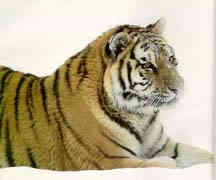
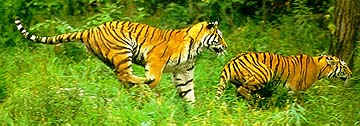
The tiger is classified as a member of the order Carnivora (Carnivores) and is a member of the family Felidae. The male tiger grows up to ten feet long from its head to the tip of its tail, and weighs up to 575 pounds. The tiger is classified as an endangered species due to the projected tiger population declining to at most 50% within three generations due to exploitation and a decline in area of occupancy. The tiger consists of eight subspecies, distinguished by the colour of their coat.
The marine otter is classified as a member of the order Carnivora (Carnivores) and is a member of the family Mustelidae. It is classified as an endangered species due to the marine otter population declining to at most 50% of present levels because of the levels of exploitation and a decline in its area of occupancy. Marine otters can be found in South America.
The giant panda is classified as a member of the order Carnivora (Carnivores) and is a member of the family Procyonidae. The male giant panda stands up to five feet tall, and weighs up to 265 pounds. The female giant panda is smaller and weighs less. The giant panda is classified as an endangered species due to the fact that it only exists in severely fragmented subpopulations consisting of up to 250 mature adults, and that there has been continuing decline in the area of habitat. The giant panda feeds mainly on bamboo, even though it is classified as a carnivore.
The lesser panda is classified as a member of the order Carnivora (Carnivores) and is a member of the family Ursidae. It is classified as an endangered species due to an estimated population of less than 2500 mature individuals and a continuing decline in numbers of mature individuals because of severly fragmented populations. Lesser pandas can be found in southern Asia.
The Cuvier's gazelle is classified as a member of the order Artiodactyla (Even-Toed Hoofed Mammals) and is a member of the family Bovidae. It is classified as an endangered species due to a severely fragmented population estimated to number less than 2500 mature individuals. The Cuvier's gazelle can be found in Algeria, Morocco, and Tunisia.
The western giant eland is classified as a member of the order Artiodactyla (Even-Toed Hoofed Mammals) and is a member of the family Bovidae. The western giant eland is one of the largest antelopes in Africa. It can stand up to six feet high at the shoulder. It weighs up to 1,500 pounds. The western giant eland is classified as an endangered species due to a population estimated to number less than 2500 mature individuals, an estimated continuing decline of at least 20% within 2 generations, and a continuing decline observed by the fact that all individuals are in a single subpopulation. The eland has long spiraled horns and tufted, cattlelike tails. It can be found in western Africa.
The wild Bactrian camel is classified as a member of the order Artiodactyla (Even-Toed Hoofed Mammals) and is a member of the family Camelidae. The wild Bactrian camel's shoulder height is about six feet, and it grows up to twelve feet long. It weighs up to 1,500 pounds. The wild Bactrian camel is classified as an endangered species due to a reduction of at least 50% of the wild Bactrian camel population over the last three generations based on levels of exploitation and a decline in area of occupancy, and due to severely fragmented subpopulations numbering no more than 250 mature camels. The wild Bactrian camel is the only truly wild two-humped camel in the world.
The Manipur brow-antlered deer is classified as a member of the order Artiodactyla (Even-Toed Hoofed Mammals) and is a member of the family Cervidae. It is classified as a critically endangered species due to a continuing decline in area of occupancy and the fact that there are no more than 250 mature Manipur brow-antlered deers and they live in a single population. These animals can be found in India.
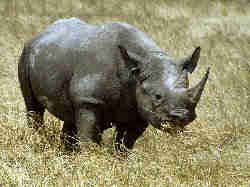
The black rhinoceros is classified as a member of the order Perissodactyla (Odd-Toed Hoofed Mammals) and is a member of the family Rhinocerotidae. The black rhinoceros grows up to twelve feet long and six feet high. It weighs up to three thousand pounds. The black rhinoceros is classified as a critically endangered species due to a reduction of at least 80% of the black rhinoceros population over the last three generations based on direct observation, an index of abundance, and a decline in area of occupancy. The black rhinoceros is the most aggressive species in the rhinoceros family, and can charge at speeds up to thirty miles per hour.
The Broom's Pygmy-possum is classified as a member of the order Marsupialia (Marsupials) and is a member of the family Burramyidae. It is also known as the mountain pygmy-possum. The Broom's pygmy-possum is classified as an endangered species due to an estimated extent of occurrence that is less than 5000 km�, a severely fragmented population, and a projected decline in area of occupancy, extent of occurance, quality of habitat, number of subpopulations, and number of mature individuals. The Broom's pygmy-possum can be found in Australia.
The northern hairy-nosed wombat is classified as a member of the order Marsupialia (Marsupials) and is a member of the family Vombatidae. It is classified as a critically endangered species due to an estimated extent of occurrence that is less than 100 km�, a severely fragmented population, a projected decline in quality of habitat, and an estimated population of less than 50 mature individuals. The northern hairy-nosed wombat can be found in Australia.
The short-tailed chinchilla is classified as a member of the order Rodentia (Rodents) and is a member of the family Chinchillidae. It is classified as a critically endangered species due to an estimated population decline of at least 80% over the past ten years based on a decline in area of occupancy and levels of exploitation. The short-tailed chinchilla can be found in South America.
The giant armadillo is classified as a member of the order Edentata (Edentates) and is a member of the family Dasypodidae. It is classified as an endangered species due to an estimated population decline of at least 50% over the past ten years based on levels of exploitation and a decline in area of occupancy. The giant armadillo can be found in South America.
