 |
By Mark Studyvin
Hollister Freelance Staff Writer
All of her life Shelley Schmidt has fought the system. Finally, she found the ultimate way to beat the system; she joined it.
It was almost three years ago when the system, the Child Protective Services of Contra Costa County, labeled Schmidt as a drug abuser, deemed her unfit to take care of her own children and asked her to change her lifestyle.
But, in the end her same stubborn demeanor that caused her to fight the system, also helped her to regain custody of her children.
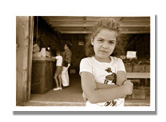
"I just kept thinking to myself it wasn't possible," Schmidt said. "I didn't do it on my own though. My two children did it," Schmidt says of Amanda, 8, and Breanna, 5.
Before Shelley could regain custody of her children she needed to change a lifetime of problems that went beyond just drug abuse.
"I was trying to do it all," she said. "A part-time job, part-time husband and take care of the kids. That's why speed was the drug of choice for me."
Although Schmidt's problems stemmed from her use of Methamphetamines, the direct cause of her loss of custody resulted from a final confrontation with her abusive husband.
"One day I pulled his gun on him," Shelley recalls. "I told him no more hitting. He was going to listen to me and I wasn't going to let him go until I said what I had to say."
Soon the police arrived and surrounded the house. When they took Shelley into custody, it didn't take long for the system to react.
The next day, Mother's Day, Schmidt found herself in the mental ward of a local hospital, alone and without the custody of her children.
"At first it didn't look like she would make it," said Shelley's mother, Arline Jenks. "She was fighting it so much and saying to heck with you, I'll do what I want to do. What was tearing me up was I knew my daughter had more backbone than that."
At this point, Shelley was still trying to confront the system. Her Urine testing was still coming up positive for drugs and she didn't have a counselor as outlined in her contract with the Child Protective Services. Shelley started attending Narcotic Anonymous, but found that most of the people were just pretending and they didn't care.
"There are good programs out there, but you have to make the phone calls. You have to look for them and you have to want them. That's hard for allot of people on drugs, because you always say tomorrow, I'll call tomorrow; until finally you're out of tomorrows."
Shelley finally had to get away from all of the drugs and the people that were associated with it. She checked into a motel in Martinez where she paid by the week. She stayed there until she felt like she was in control.
Although Shelley lost faith in the drug rehabilitation programs she had encountered, she was willing to try once more. Through the Child Protective Services Shelley found counselor Richard Litwin at the Northern California Family Counseling center.
"I called Mr. Litwin and that's when things started to happen. I really thought here we go again. I'll just go through the motions, do what I've got to do and get my kids back. But, this time it started to work for me," Schmidt said.
Although she had fought everyone in the system thus far, Litwin was somehow different from the other counselors.
For Shelley, Litwin's one-on-one approach and sincere concern for her well-being was just the kind of counselor she needed.
"He would make me mad, he would make me cry and I would yell at him," Shelley admits. "And then we became buddies. He didn't act like these know-it-all people who told me you're doing this and you'll go through that. He acted like he didn't understand, but he wanted to."
Shelley soon after made a complete turnaround. She quit taking drugs, divorced her husband, found a job and got a new apartment.
"When I had seen how much cleaner she was, that I could talk to her and disagree with her, and she wouldn't fly off the handle, then I felt that was the turning point," Arline said.
"I've always loved my daughter," Arline proclaims. "But I like her now and I'm extremely proud of her. She's doing something that is harder than anything I've ever attempted."
"I'm glad for Shelley," said Arline. "It took her off drugs. It made the children very aware of the evils of drugs."
Arline and her husband Van took custody of the children, through the assistance of the Contra Costa County and San Benito County Child Protective Services, when they were placed in the Foster Care program.
Van and Arline were planning to retire soon and Arline was attending Gavilan Community College, but had to put their plans on hold to properly care for their grandchildren.
"At first I was mad at Shelley," Arline said. "I said how could you do this to me? I took care of my children, why can't you. But, we have good family support. Most people don't have that."
The Child Protective Services ideally tries to set up foster parents with relatives, according to Lee Collins, director of the Human Services Agency in San Benito County.
"If we place a child out of the county, we call that county's Child Protective Service and ask for a courtesy supervision of the children," Collins said.
The original Child Protective Services places the children in the family reunification program, while the parents must agree to clean up the home, attend counseling and pass a six-month review period.
For Shelley, this is the end of a chapter in he life that she would rather not look back upon. But for Arline and Van, it was a chance to share a relationship with their grandchildren.
And now, for the second time in their lives, they must say good-bye as their children leave home.
"I'm having trouble dealing with it," Arline said as her eyes filled with tears. "But, I'm learning to, I really am."
Hollister Freelance Staff Writer
All of her life Shelley Schmidt has fought the system. Finally, she found the ultimate way to beat the system; she joined it.
It was almost three years ago when the system, the Child Protective Services of Contra Costa County, labeled Schmidt as a drug abuser, deemed her unfit to take care of her own children and asked her to change her lifestyle.
But, in the end her same stubborn demeanor that caused her to fight the system, also helped her to regain custody of her children.
"I just kept thinking to myself it wasn't possible," Schmidt said. "I didn't do it on my own though. My two children did it," Schmidt says of Amanda, 8, and Breanna, 5.
Before Shelley could regain custody of her children she needed to change a lifetime of problems that went beyond just drug abuse.
"I was trying to do it all," she said. "A part-time job, part-time husband and take care of the kids. That's why speed was the drug of choice for me."
Although Schmidt's problems stemmed from her use of Methamphetamines, the direct cause of her loss of custody resulted from a final confrontation with her abusive husband.
"One day I pulled his gun on him," Shelley recalls. "I told him no more hitting. He was going to listen to me and I wasn't going to let him go until I said what I had to say."
Soon the police arrived and surrounded the house. When they took Shelley into custody, it didn't take long for the system to react.
The next day, Mother's Day, Schmidt found herself in the mental ward of a local hospital, alone and without the custody of her children.
"At first it didn't look like she would make it," said Shelley's mother, Arline Jenks. "She was fighting it so much and saying to heck with you, I'll do what I want to do. What was tearing me up was I knew my daughter had more backbone than that."
At this point, Shelley was still trying to confront the system. Her Urine testing was still coming up positive for drugs and she didn't have a counselor as outlined in her contract with the Child Protective Services. Shelley started attending Narcotic Anonymous, but found that most of the people were just pretending and they didn't care.
"There are good programs out there, but you have to make the phone calls. You have to look for them and you have to want them. That's hard for allot of people on drugs, because you always say tomorrow, I'll call tomorrow; until finally you're out of tomorrows."
Shelley finally had to get away from all of the drugs and the people that were associated with it. She checked into a motel in Martinez where she paid by the week. She stayed there until she felt like she was in control.
Although Shelley lost faith in the drug rehabilitation programs she had encountered, she was willing to try once more. Through the Child Protective Services Shelley found counselor Richard Litwin at the Northern California Family Counseling center.
"I called Mr. Litwin and that's when things started to happen. I really thought here we go again. I'll just go through the motions, do what I've got to do and get my kids back. But, this time it started to work for me," Schmidt said.
Although she had fought everyone in the system thus far, Litwin was somehow different from the other counselors.
For Shelley, Litwin's one-on-one approach and sincere concern for her well-being was just the kind of counselor she needed.
"He would make me mad, he would make me cry and I would yell at him," Shelley admits. "And then we became buddies. He didn't act like these know-it-all people who told me you're doing this and you'll go through that. He acted like he didn't understand, but he wanted to."
Shelley soon after made a complete turnaround. She quit taking drugs, divorced her husband, found a job and got a new apartment.
"When I had seen how much cleaner she was, that I could talk to her and disagree with her, and she wouldn't fly off the handle, then I felt that was the turning point," Arline said.
"I've always loved my daughter," Arline proclaims. "But I like her now and I'm extremely proud of her. She's doing something that is harder than anything I've ever attempted."
"I'm glad for Shelley," said Arline. "It took her off drugs. It made the children very aware of the evils of drugs."
Arline and her husband Van took custody of the children, through the assistance of the Contra Costa County and San Benito County Child Protective Services, when they were placed in the Foster Care program.
Van and Arline were planning to retire soon and Arline was attending Gavilan Community College, but had to put their plans on hold to properly care for their grandchildren.
"At first I was mad at Shelley," Arline said. "I said how could you do this to me? I took care of my children, why can't you. But, we have good family support. Most people don't have that."
The Child Protective Services ideally tries to set up foster parents with relatives, according to Lee Collins, director of the Human Services Agency in San Benito County.
"If we place a child out of the county, we call that county's Child Protective Service and ask for a courtesy supervision of the children," Collins said.
The original Child Protective Services places the children in the family reunification program, while the parents must agree to clean up the home, attend counseling and pass a six-month review period.
For Shelley, this is the end of a chapter in he life that she would rather not look back upon. But for Arline and Van, it was a chance to share a relationship with their grandchildren.
And now, for the second time in their lives, they must say good-bye as their children leave home.
"I'm having trouble dealing with it," Arline said as her eyes filled with tears. "But, I'm learning to, I really am."