| 1 | South Asia is well defined physiographically, extending from the southern slopes of the Himalayas to the island of Sri Lanka. |
| 2 | Two river systems, the Ganges-Brahmaputra and the Indus, form crucial lifelines for hundreds of millions of people in this realm. The annual wet monsoon is a critical environmental element. |
| 3 | India lies at the heart of the world's second largest population cluster, which by 2010 will be the first. |
| 4 | No part of the world faces demographic problems with dimensions and urgency comparable to South Asia. |
| 5 | All the states of South Asia suffer from underdevelopment. Food shortages exist, nutritional imbalance prevails, and famines occur. |
| 6 | Agriculture in South Asia, in general, is comparatively inefficient and not as productive as it is in other parts of Asia. |
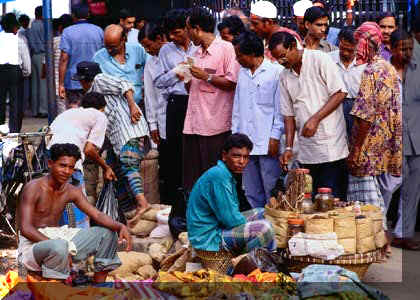
| 7 | The great majority of South Asia's peoples live in villages and subsist directly from the land. |
| 8 | Strong cultural regionalism marks South Asia. The Hindu religion dominates life in India; Pakistan is an Islamic state; Buddhism thrives in Sri Lanka. |
| 9 | The South Asian realm's politico-geographical framework results from the European colonial period, but important modifications took place after the European withdrawal. |
| 10 | India constitutes the world's largest and most complex federal state. |