 |
|||
Home |
|||
Learn about your tree. |
||||
Horse Chestnut |
||||
 |
 |
|||||||||||||
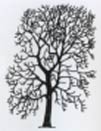
Tree shape to look for. |
||||||||||||||
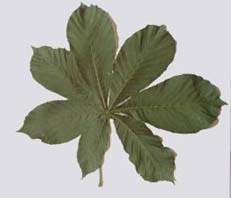
Leaves
have 7 or sometimes 5 broad, stalkless leaflets. |
||||||||||||||
 |
||||||||||||||
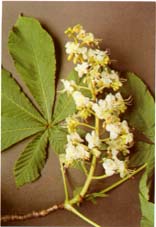
Flowers
are white and form clusters up to 30cm tall, sometimes called candles. |
||||||||||||||
 |
||||||||||||||
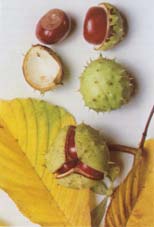
Fruit
have hard spiny coats and can be up to 6cm across. They split in
October to release shiny brown conkers. |
||||||||||||||
|
||
 |
||
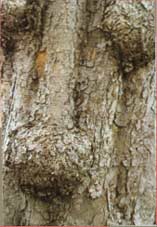
| Horse Chestnut bark | ||
Horse Chestnut challenge What do children sometimes do with conkers? Where did Horse Chestnut
trees originate? |
||