 |
|||
Home |
|||
Learn about your tree. |
|||
Common Ash or |
|||
 |
 |
|||||||||
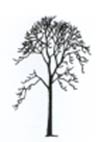
Tree
shape to look for. |
||||||||||
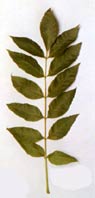
Leaves
have 9 to 11 leaflets which turn clear yellow in autumn. |
||||||||||
 |
||||||||||
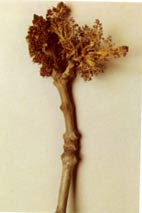
Male
flower clusters are purple. They turn yellow when pollen is shed
and female clusters are pale green. They look looser. |
||||||||||
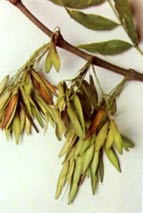
Fruit is about
4cm long and has wings. Fruit turn brown in October and stay on
the tree after the leaves have gone. |
 |
|||||||||
|
||
Ash Challenge What are the fruit sometimes called? How are ash seeds spread? How do you know? |
||
Ash Challenge What are the fruit sometimes called? How are ash seeds spread? How do you know? |
||