 |
|||
Home |
|||
Learn about your tree. |
||||
Common Lime or |
||||
 |
 |
|||||||||||
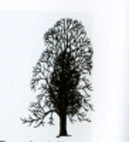
Tree shape to look for. |
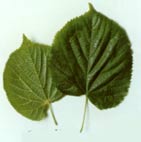
Leaves
are bright green and almost hairless.They are often covered by a
shiny resin or honey-dew from the aphids that live on these trees. |
|||||||||||
 |
||||||||||||
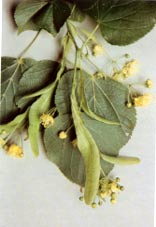
Fragrant
flowers open in July in drooping clusters of 4 to 10. |
||||||||||||
 |
||||||||||||
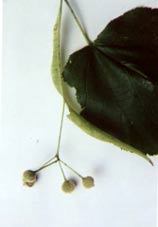
Fruit
are round and small, only about 8mm across. |
||||||||||||
|
||
Lime challenge The limes we eat do not come from this tree. Where do they come from? What is the common name for aphids and which insect loves to eat the aphids? |
||