
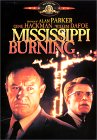
Gene Hackman, Francis McDormand, William DeFoe, Brad Dourif, dir. by AlanParker,
The most graphic part of the film is at the beginning, when a car driving down a barren road is pulled over by a couple of police officers. Rather then write a ticket for speeding they taunt them and shoot them. We don't really know exactly what happened, we have some idea that these officers are a little more than just consciencous of fast drivers, and that's what hooks us in.
Two officers, Gene Hackman and William Dafoe, are sent into investigate, and once we know what they're investigating, there's the irony of the audience now knowing what the characters don't. Hackman and Dafoe have an interesting chemistry, or maybe I'd say an interesting lack thereof, because they start off in such distant alignments from each other, that there's no real partnering/interaction at first. Dafoe is a by-the-book guy who's young and inexperienced and Hackman is a somewhat more playful guy who's from the area and tries to act like he's "one of the guys" when they interact with locals. There's an interesting power relationship between them, because despite Dafoe's inexperience and lack of street smarts, he's the senior officer on the case. Amid their power struggle, however, neither of there methods works anyway and for a while, the drama is in a curious deadlock of the FBI officials saying, "what happened to these missing people? where are the bodies?" and the locals in the town saying, "we don't know, we didn't do anything? why don't you just go back and forget about the case?", and the two parties here start acting like my senile grandparents who ask the same question over and over thinking that they'll get a different response.
This would get kind of boring, except for the changes happening within Hackman's character who starts to become more passionate about what's happening as he befriends the deputy's wife, Frances McDormand, and just gets more and more pissed about stuff. Not only did Hackman's character move the plot along, but in more ways than one, I think he was really was at the heart of this movie and McDormand's character really added a lot to the movie, as a more innocent and foolishly youthful woman than the roles she normally gets.
I wouldn't describe the film as jump-out-of-your-seat exciting, but the drama and quality is there underneath all the grittiness.