Education
“Because their parents have already solved the survival problem, they [the second generation] are free to concentrate not just on surviving but getting ahead.”
-Dr Riddle, Principal
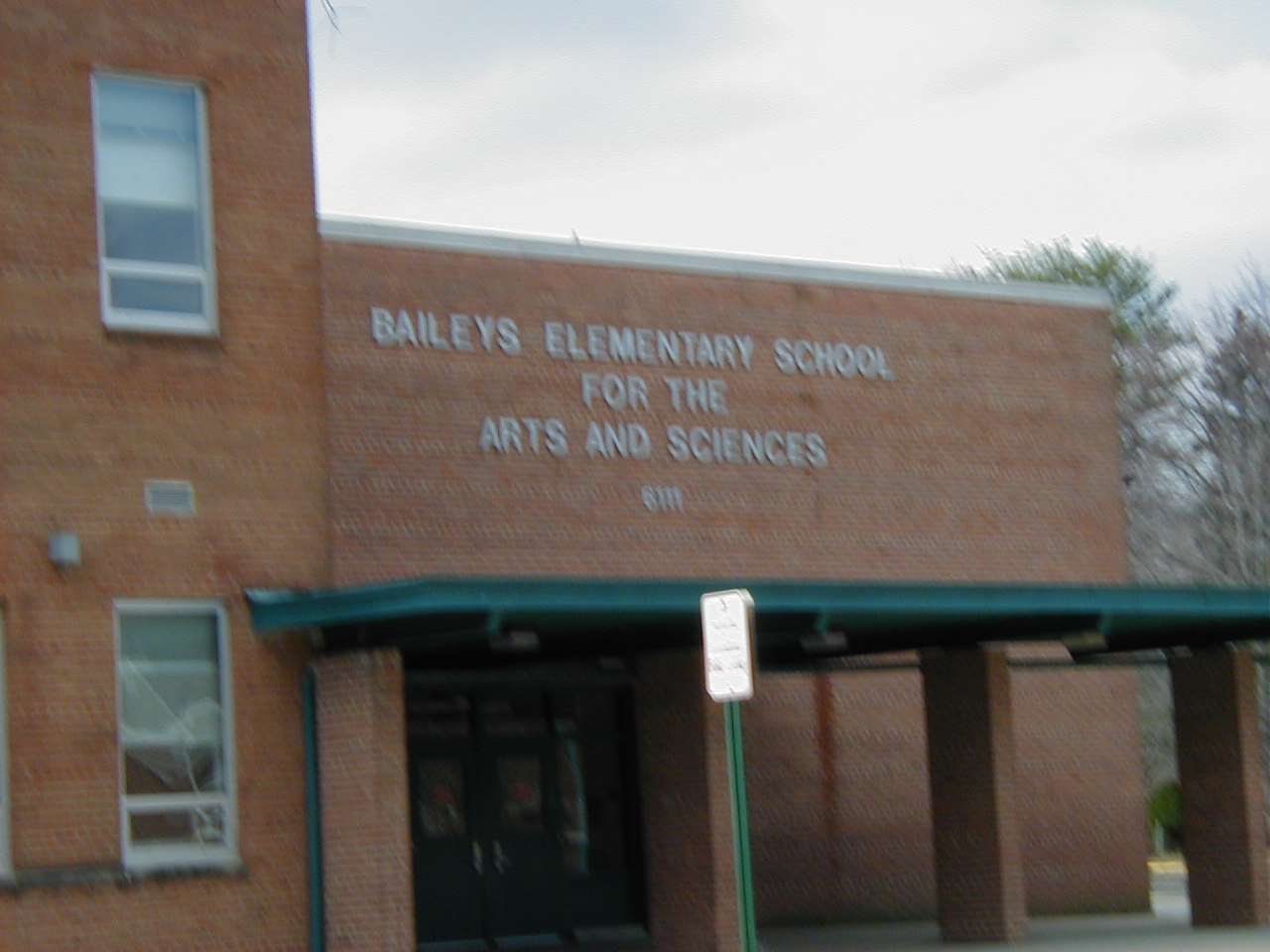
Figure 6-Bailey's Elementary School
The Hispanic residents of Culmore have not only had an immense affect on the residential, commercial, and labor sectors but the public school in their community. That educational institution is Baileys Elementary School. Before the 1980’s, “was a very normal middle-American elementary school” according to Maureen Rabinovitz, a Baileys administrator. During that decade however, things changed dramatically as the children of the recent immigrants began to enter the education system. By 1990, nearly 90% of the students attending Baileys were also enrolled in the school’s ESL (English as a Second Language) program. This posed a problem to Baileys typical Fairfax County staff of all English speaking teachers and the standard Fairfax county curriculum in which only 10% of the population is Spanish-speaking (Rabinovitz, 2002).
After weighing several options, the parents and teachers decided that the best solution was to convert Baileys into a magnet school. Receiving a large new appropriation of funds from Fairfax County, the parents and teachers of Baileys Elementary oversaw its complete renovation and transformation from a normal elementary school to a unique one; more appropriate to the highly specific community it now served. (Rabinovitz, 2002)
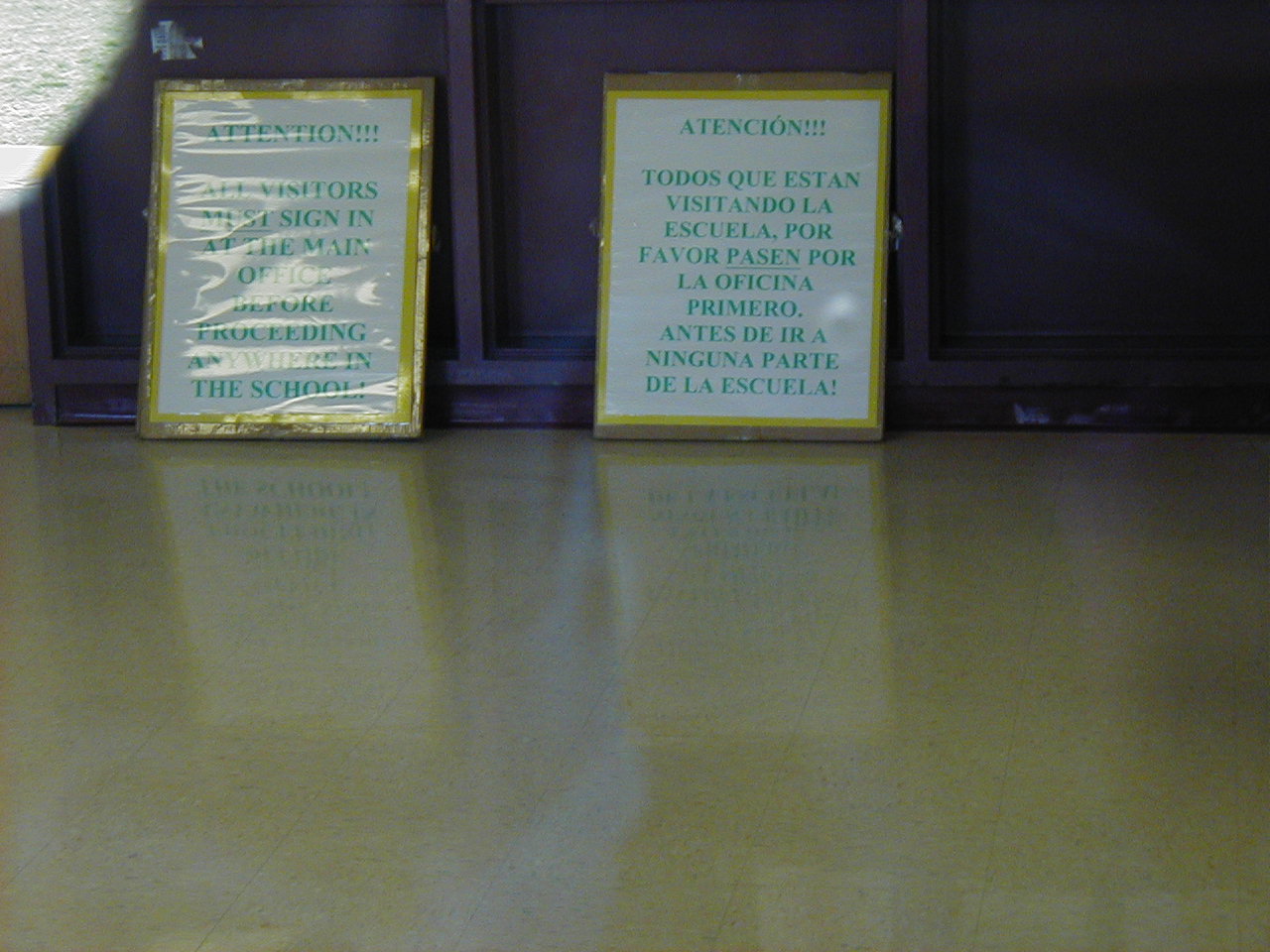
Of its 900-person student body, Baileys now welcomes 700 from the Culmore community under a standard enrollment policy and brings in the remaining 200 from all over the county on an application based enrollment system. This new policy serves to create in Baileys the unique situation of Spanish speaking children from Culmore being purposely intermixed with English speaking students from around Fairfax County. Indeed, Ms. Rabinovitz refers to the magnet students as role models for the ESL kids. This system however, is not strictly one sided. Through the application of rigorous Spanish immersion programs, the magnet students often find their role model roles reversed with those of their Hispanic counterparts (Rabinovitz, 2002). We also noticed that Baileys has many signs in both Spanish and English.
See Figure 7-Multilingual Signs
In addition, the extra money allotted to Baileys because of its magnet school status is used constructively throughout the building to better integrate the Spanish-speaking children into an American world. Also, Baileys aims in every arena to give students who might not be able to express themselves in language, an opportunity to do so through other means which would include: science labs, a state-of-the art music composition room, a special drama curriculum, a television production facility, and a topical museum put on entirely by the students. “It is truly a visible illustration of the effect that the influx of immigrants has had on the Culmore sphere of education” (Rabinovitz, 2002).
Today, Baileys Elementary is a far cry from the school that it was 15 years ago. It has been changed inside and out as a direct result of the Hispanic presence. By making the change to become a magnet program, it has adapted itself to the specialized needs of the residents of Culmore.
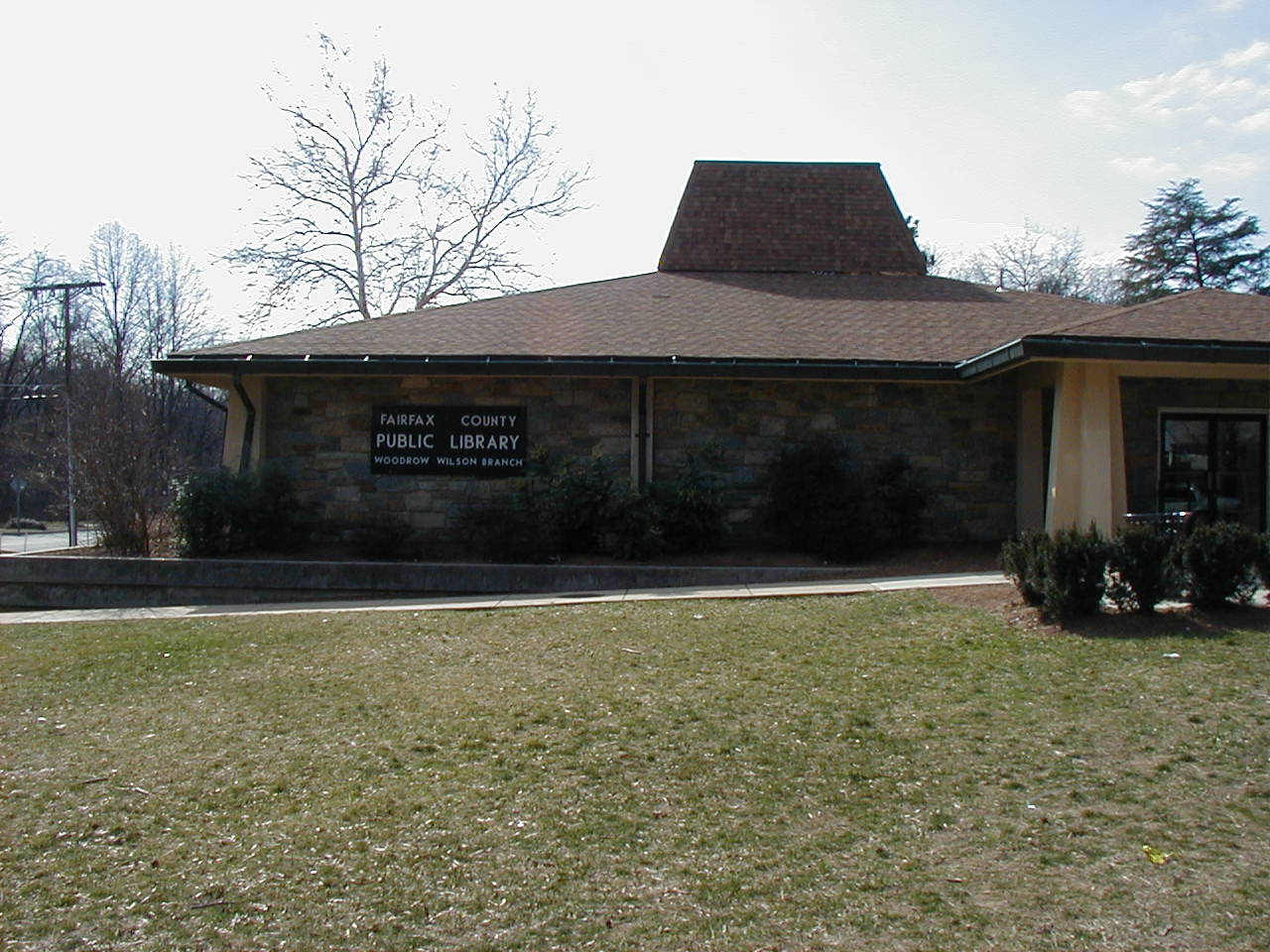
The other educational institution, Woodrow Wilson Library is located within a block of
Bailey’s Elementary
School, according to assistant manager of the library Linda Falcow, “Woodrow
Wilson has the strategic role of being an ELL support place so when the county
orders ELL books, most of them come here” (Falcow 2002). By ELL, Falcow refers to “English Language
Learners.” By fulfilling such role,
Woodrow Wilson Library shows that to
some extent, the community does accommodate the language barrier that is one of
the distinguishing characteristics of the community, and perhaps its greatest
problem. Even the Spanish Liaison to the local high school, Marcia Donovan
feels that the language barrier is something that needs to be overcome for this
community, explaining, "Once they learn the language, they can defend
their rights, know the system, read” (Donovan 2002).
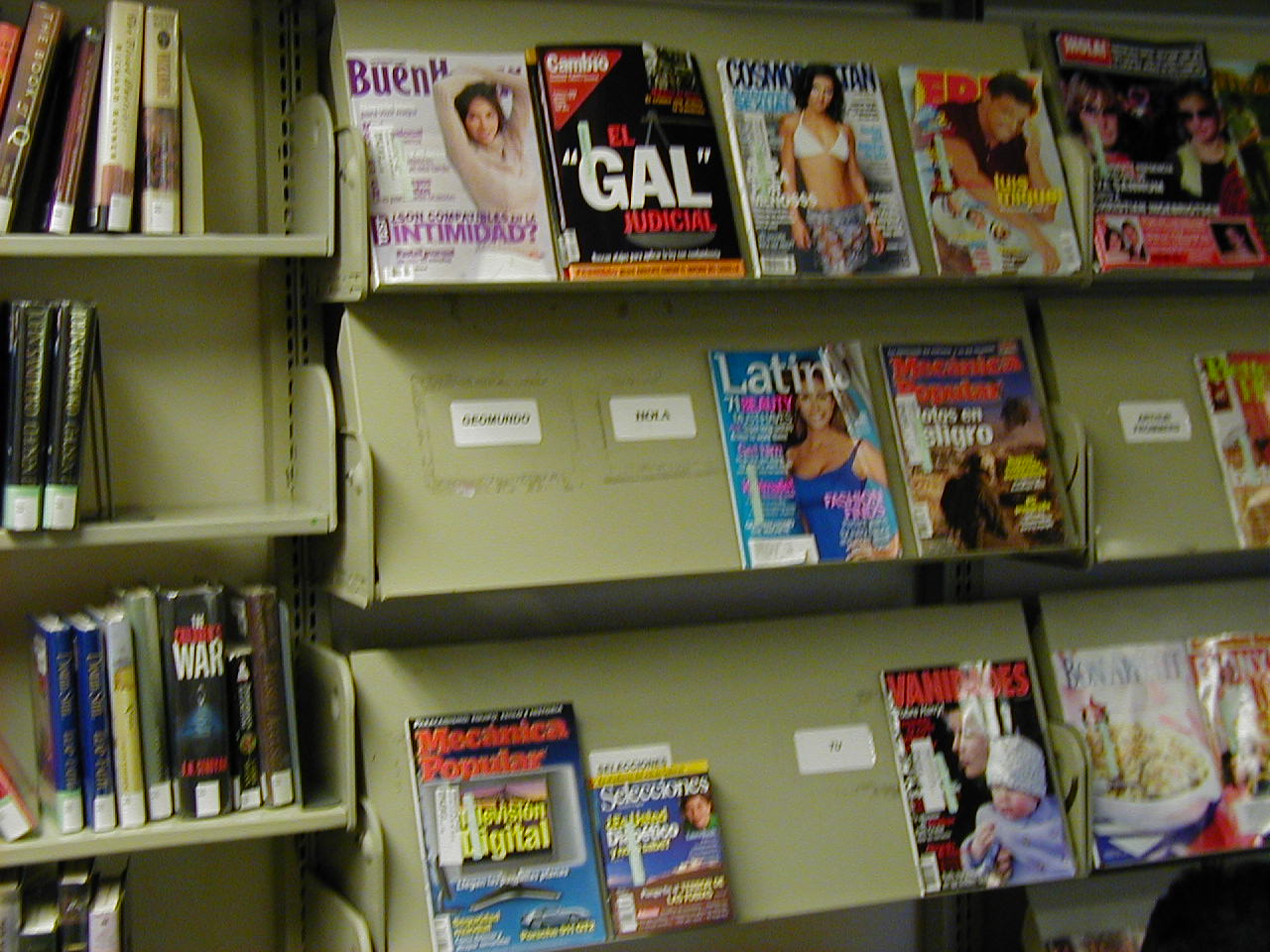
Figure 9-A stack of magazines available for Culmore residents interested in becoming literate
It appears that everyone is on some level trying to learn the language
in one way or another. Rosa Villapando takes lessons at the Sanz School of
English at the Whilston Center. Jose Martin often goes to the library and reads
English books to educate themselves. The majority of people we spoke to,
however, such as Ishmael, a resident of Culmore for over ten years, learn the
language by listening to English speakers and picking the language up from
them.
Considering this, Woodrow Wilson Library has
helped to bridge this gap and address a key problem that the community is
having. “We’re considered a community library. We serve the community,” says
Falcow.
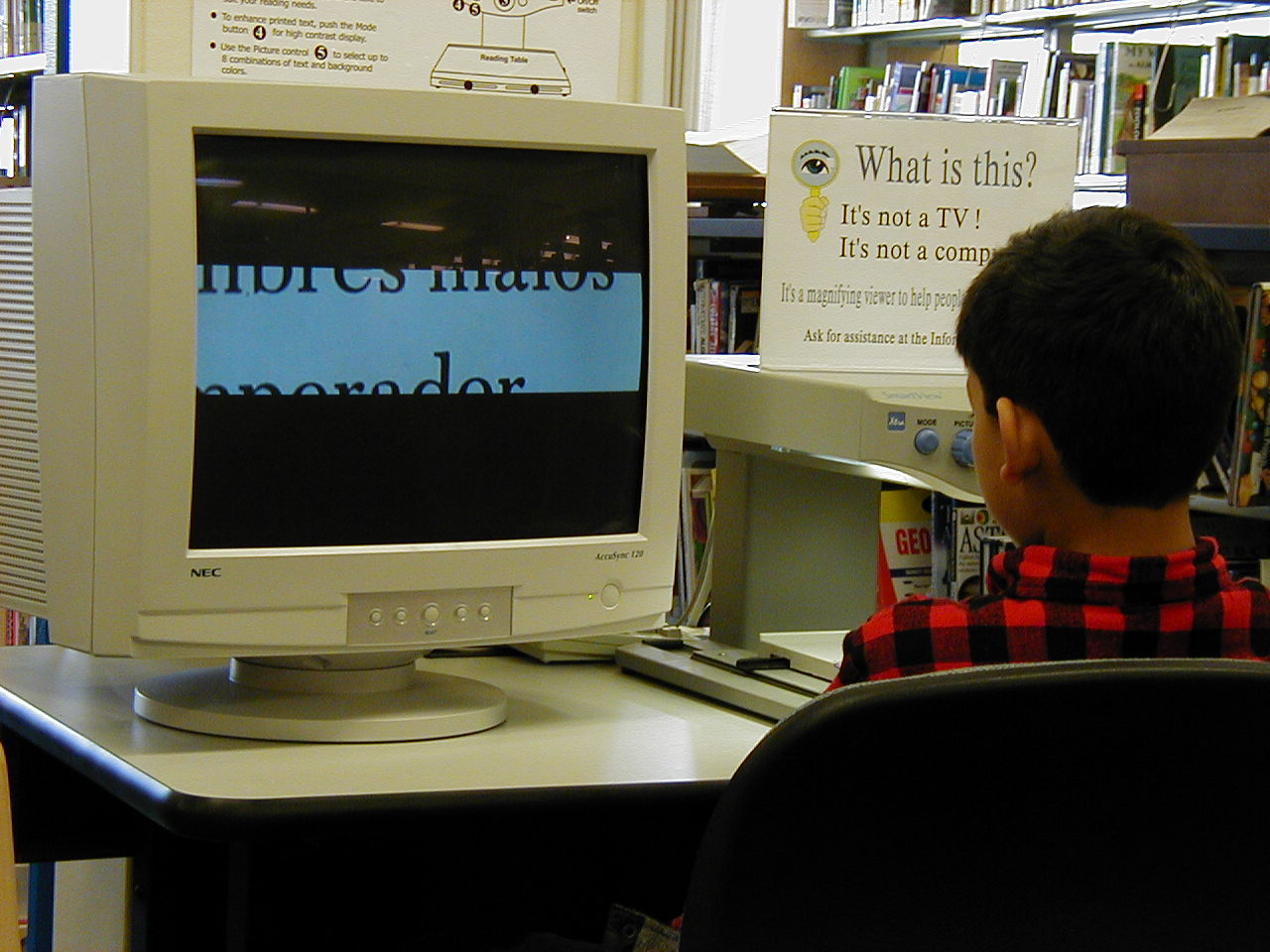
Figure 10-A child learning English from a specialized ESL program