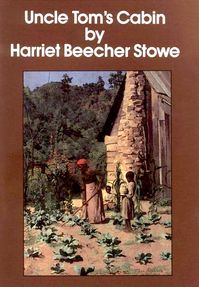
There may be no other novel in American history as significant as Uncle Tom's Cabin. A feat of gripping storytelling--the first American work of fiction to become an international bestseller--no other book so effectively expressed the moral case against the "peculiar institution" of slavery. Harriet Beecher Stowe infused her book with her then-controversial awareness of the humanity of black men and women, giving her audience a sense of the personal reality of the horrors of slavery. A classic of American fiction, a pivotal moment in history, and a cultural touchstone, Uncle Tom's Cabin has not lost its relevance or its power.
When Uncle Tom's Cabin was published in 1852, it became an international blockbuster, selling more than 300,000 copies in the United States alone in its first year. Harriet Beecher Stowe was one of the earliest writers to offer a shockingly realistic depiction of slavery. Her stirring indictment and portrait of human dignity in the most inhumane circumstances enlightened hundreds of thousands by revealing the human costs of slavery, which had until then been cloaked and justified by the racist misperceptions of the time. Langston Hughes called it "a moral battle cry," noting that "the love and warmth and humanity that went into its writing keep it alive a century later," and Tolstoy described it as "flowing from love of God and man." |