| ALEXANDRIA | ||||||||||||||||||||||||||||||||||||||||||||||||||||||||||||||||||||||||||||||||||||||||||||
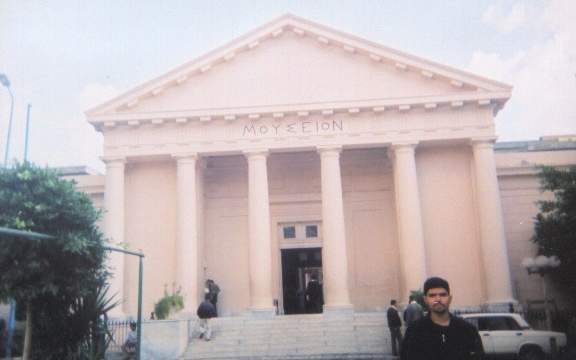
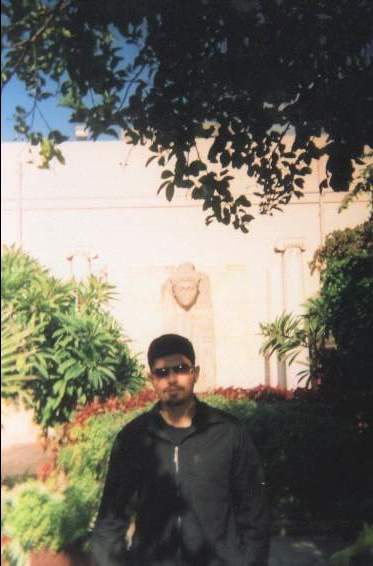
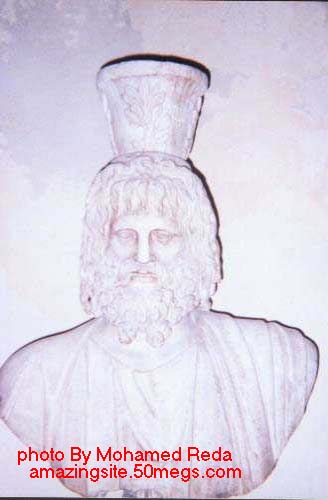
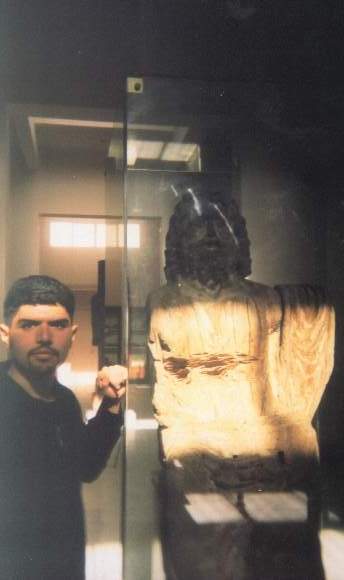
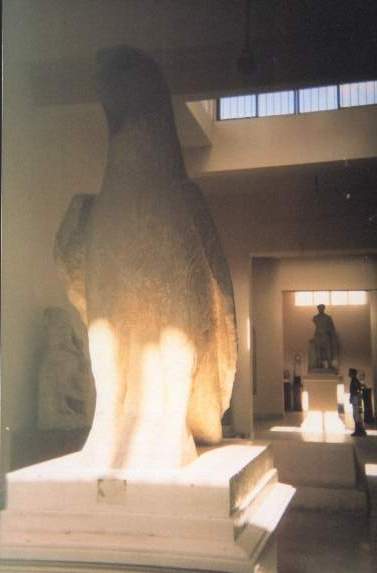
| 1-The Graeco-Roman Museum | ||||||||||||||||||||||||||||||||||||||||||||||||||||||||||||||||||||||||||||||||||||||||||||
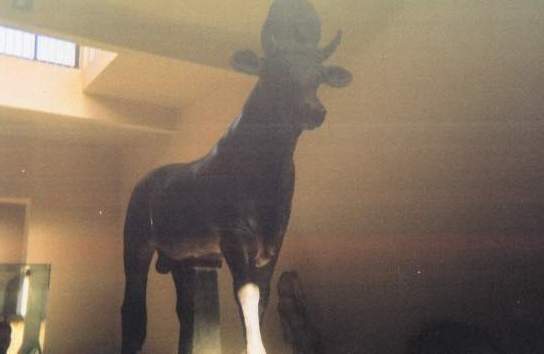
| The museum was first built in 1892 as a small building located on Horreya Road. In 1895 it was transferred to the present site near Gamal Abdul Nasser Road. It started with eleven galleries, and has been gradually enlarged in later renovation stages. The 25th gallery was inaugurated in 1984. It contains a very big variety of coins from different countries, chronologically arranged, and dating back from 630 BC to the Ottoman period in the 19th century. The collection, which covers the period from the 3rd century BC to the 7th century AD, is a fascinating record of civilization in the process of change as religions merged and society evolved. | ||||||||||||||||||||||||||||||||||||||||||||||||||||||||||||||||||||||||||||||||||||||||||||
![]() |
||||||||||||||||||||||||||||||||||||||||||||||||||||||||||||||||||||||||||||||||||||||||||||
| 2-The Royal Jewelry Museum | ||||||||||||||||||||||||||||||||||||||||||||||||||||||||||||||||||||||||||||||||||||||||||||
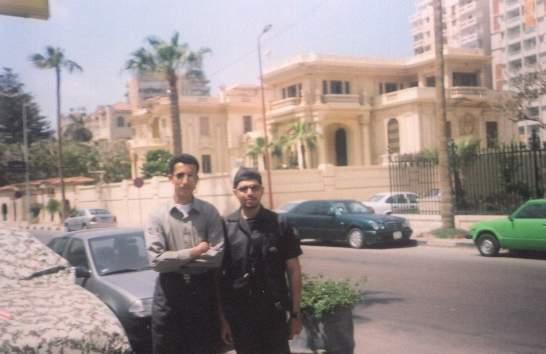
The museum is located in the Zizinia neighborhood. It was once the palace of Fatma el-Zahara and is an architectural masterpiece. Its halls contain many rare paintings, statues and decorations. An inestimable collection of jewels of the Mohamed Ali Dynasty (19th century) is also exhibited. |
||||||||||||||||||||||||||||||||||||||||||||||||||||||||||||||||||||||||||||||||||||||||||||
| 3- Alex. Library | ||||||||||||||||||||||||||||||||||||||||||||||||||||||||||||||||||||||||||||||||||||||||||||
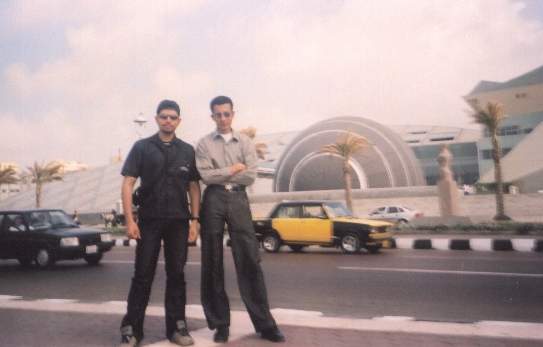
| At the meeting point of the three continents, Asia, Africa and Europe, Egypt has been the cradle of civilizations since ancient times. The ancient city of Alexandria was at the beginning of the third century B.C. the birthplace of the great plan to build a library: the Bibliotheca Alexandria. But a fire, which ravaged Alexandria, destroyed the library, this vast storehouse of learning. The Egyptian Government, in co-operation with UNESCO, has decided to resurrect the old dream to endow this part of the world with an important focal point for culture, education and science. | ||||||||||||||||||||||||||||||||||||||||||||||||||||||||||||||||||||||||||||||||||||||||||||
| 4- The Fort Of Qaitbey | ||||||||||||||||||||||||||||||||||||||||||||||||||||||||||||||||||||||||||||||||||||||||||||
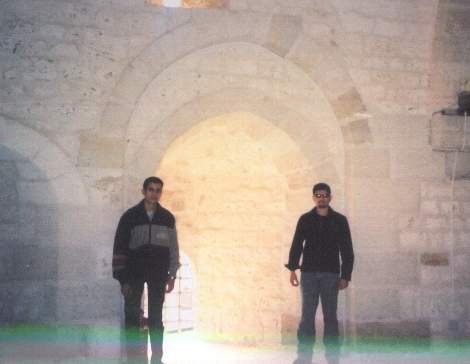
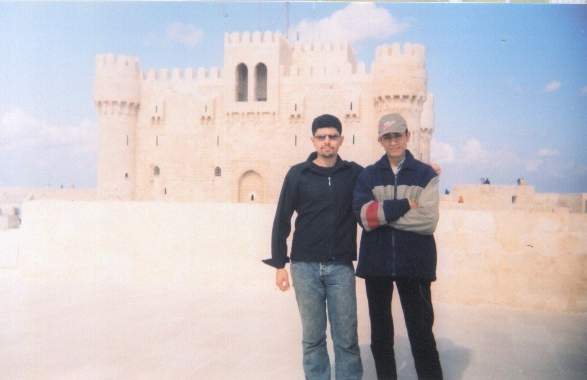
The island of Pharos was a major port having two huge harbors. The Fort was built in the 1480's by Sultan Qaitbey, on the site of Alexandria's ancient lighthouse. Parts of the remains of the lighthouse can be seen in the construction of the old fort. One of the seven wonders of the ancient World, the lighthouse was an astonishing 125m in height with approximately three hundred rooms at the bottom for workers. Running through the center was a double spiral ascent and hydraulic machinery that raised fuel to the top. The lantern at the top of the lighthouse remains a mystery. Some say it contained a polished steel mirror that reflected light by day, and fire by night. Others say it was made of transparent glass. The lantern and the top two stories fell around 700 AD according to many reports, and the rest of the lighthouse was destroyed by an earthquake around 1100. In its place a Mosque was built, which was damaged by an earthquake in the 14th century. The entrance is through a gateway made of red Aswan granite. Located beside the mosque is a cistern that was used to store water in case of a siege. Also located inside the fort is the Naval Museum which contains artifacts from the Roman and Napoleonic sea battles. |
||||||||||||||||||||||||||||||||||||||||||||||||||||||||||||||||||||||||||||||||||||||||||||
![]() |
||||||||||||||||||||||||||||||||||||||||||||||||||||||||||||||||||||||||||||||||||||||||||||
| 5- Al-Muntazah Complex | ||||||||||||||||||||||||||||||||||||||||||||||||||||||||||||||||||||||||||||||||||||||||||||
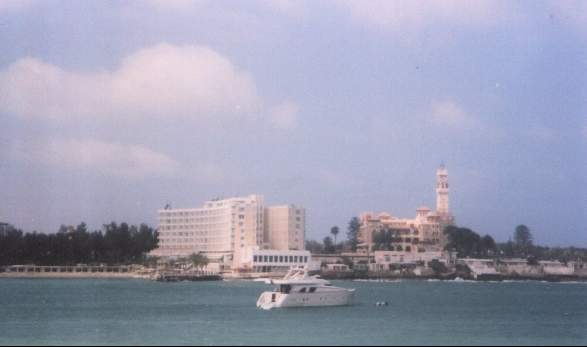
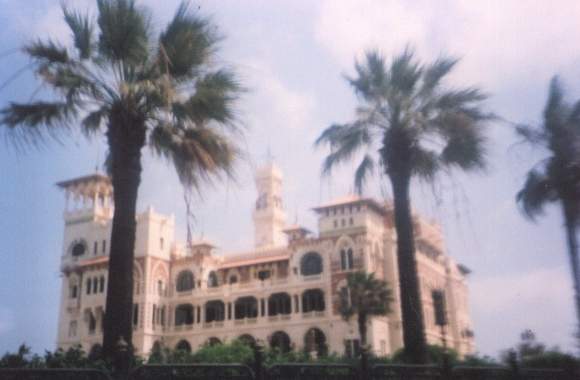
| This 115 acre complex is surrounded by great walls from the south, east and west, and with the beach on its north side. This area used to belong to the Mohamed Ali family, that ruled Egypt from the mid 19th century until 1952. The construction was started in 1892 by King Abbas II, who built a large palace inside the complex called the Salamlek. In 1932, King Fuad built a larger palace and called it the Haramlik. His son, King Farouk, built a bridge to the sea to act as a water front. The rest of the 115 acres is nothing but beautiful gardens. Palm trees and gazelles cover the area. This is a wonderful spot to enjoy the beauty of Alexandria. | ||||||||||||||||||||||||||||||||||||||||||||||||||||||||||||||||||||||||||||||||||||||||||||
| 6- The Mosque of Abu al-Abbas al-Mursi | ||||||||||||||||||||||||||||||||||||||||||||||||||||||||||||||||||||||||||||||||||||||||||||
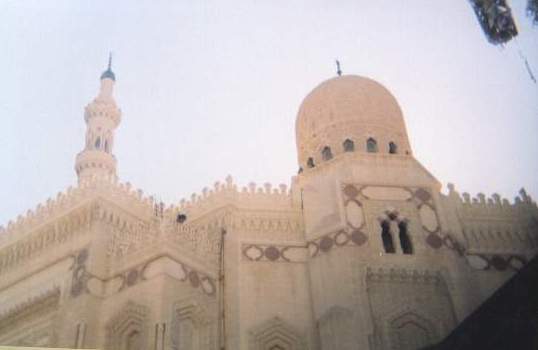
This beautiful mosque, with its high minaret and four domes, is Alexandria's largest and one of the most important Islamic monuments. In 1775 the Algerians built the mosque over the tomb of the thirteenth century Andalusan saint Ahmed Abu al-Abbas al-Mursi who had joined and then lead the Shadhali brotherhood. The interior is made up of eight monolithic granite columns and a colonnade of elongated arches. It was rebuilt in 1943 with the domes and the towering (73 meter) minaret. It is one of Alexandria's foremost religious buildings and women are not allowed inside the mosque proper, but may only visit a room at the back of the mosque |
||||||||||||||||||||||||||||||||||||||||||||||||||||||||||||||||||||||||||||||||||||||||||||
| 7- The Roman Theatre (kom Al-Dikka) | ||||||||||||||||||||||||||||||||||||||||||||||||||||||||||||||||||||||||||||||||||||||||||||
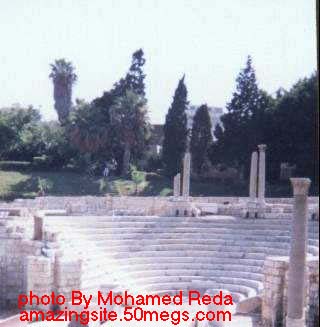
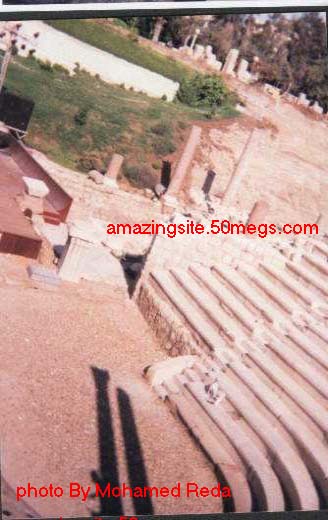
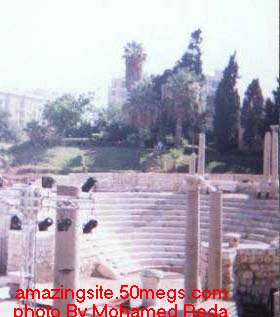
Over 30 years of excavation have uncovered many Roman remains including this well-preserved theatre with galleries, sections of mosaic-flooring, and marble seats for up to 800 spectators. In Ptolemaic times, this area was the Park of Pan and a pleasure garden. The theater at one point may had been roofed over to serve as an Odeon for musical performances. Inscriptions suggest that it was sometimes also used for wrestling contests. The theatre stood with thirteen semi-circular tiers of white marble that was imported from Europe. Its columns are of green marble imported from Asia Minor, and red granite imported from Aswan. The wings on either side of the stage are decorated with geometric mosaic paving. The dusty walls of the trenches, from digging in the northeast side of the Odeon, are layered with extraordinary amounts of potsherds. Going down out of the Kom, you can see the substantial arches and walls in stone, the brick of the Roman baths, and the remains of Roman houses. |
||||||||||||||||||||||||||||||||||||||||||||||||||||||||||||||||||||||||||||||||||||||||||||
![]() |
||||||||||||||||||||||||||||||||||||||||||||||||||||||||||||||||||||||||||||||||||||||||||||
![]() |
||||||||||||||||||||||||||||||||||||||||||||||||||||||||||||||||||||||||||||||||||||||||||||
![]() |
||||||||||||||||||||||||||||||||||||||||||||||||||||||||||||||||||||||||||||||||||||||||||||
| 8- Pompey's Pillar | ||||||||||||||||||||||||||||||||||||||||||||||||||||||||||||||||||||||||||||||||||||||||||||
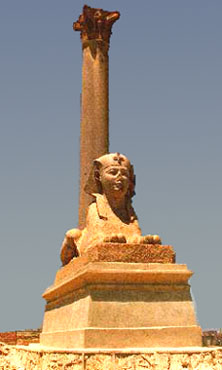
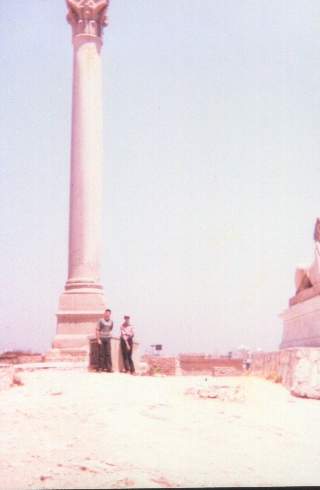
| An approximately 25m red Aswan granite column with a circumference of 9m, was constructed in honor of the Emperor Diocletain. Originally from the temple of the Serapis, it was once a magnificent structure rivaling the Soma and the Caesareum. Nearby are subterranean galleries where sacred Apis bulls were buried, and three sphinxes. After his defeat by Julius Caesar in the civil war, Pompey fled to Egypt where he was murdered in 48 BC; mediaeval travelers later believed he must be buried here, and that the capital atop the corner served as a container for his head. In fact, the pillar was raised in honor of Diocletain at the very end of the 4th century. Diocletain captured Alexandria after it had been under siege. The Arabs called it "Amoud el-Sawari", Column of the Horsemen. The Pillar is the tallest ancient monument in Alexandria. | ||||||||||||||||||||||||||||||||||||||||||||||||||||||||||||||||||||||||||||||||||||||||||||
![]() |
||||||||||||||||||||||||||||||||||||||||||||||||||||||||||||||||||||||||||||||||||||||||||||
| 9- The catacombs Of Kom es-Shouqafa | ||||||||||||||||||||||||||||||||||||||||||||||||||||||||||||||||||||||||||||||||||||||||||||
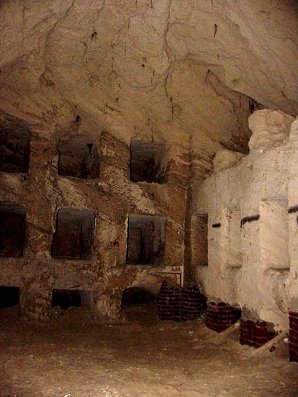
These tombs were tunneled into the bedrock in the age of the Antonine emperors (2nd century A.D.)for a single wealthy family still practicing the ancient religion. As a privately financed project, it is an engineering feat of some magnitude. These tombs represent the last existing major construction for the sake of the old Egyptian religion. They are alone worth the trip to Alexandria. Though the funerary motifs are pure ancient Egyptian, the architects and artists were schooled in the Greco-Roman style. Applied to the themes of Ancient Egyptian religion, it has resulted in an amazing integrated art, quite unlike anything else in the world. |
||||||||||||||||||||||||||||||||||||||||||||||||||||||||||||||||||||||||||||||||||||||||||||
![]() |
||||||||||||||||||||||||||||||||||||||||||||||||||||||||||||||||||||||||||||||||||||||||||||
| The Picture : A winding staircase descends several levels deep into the ground, with little chapels opening from it, furnished with benches to accommodate visitors or mourners bringing offerings. There are niches cutout to hold sarcophagi. | ||||||||||||||||||||||||||||||||||||||||||||||||||||||||||||||||||||||||||||||||||||||||||||
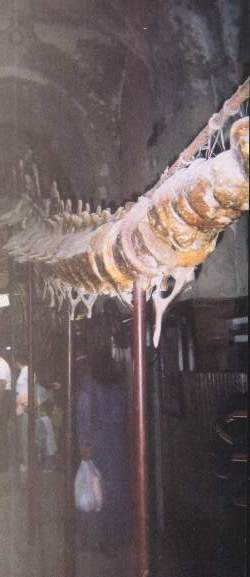
| 10- The Hydrobiological Institute and Museum | ||||||||||||||||||||||||||||||||||||||||||||||||||||||||||||||||||||||||||||||||||||||||||||
![]() |
![]() |
|||||||||||||||||||||||||||||||||||||||||||||||||||||||||||||||||||||||||||||||||||||||||||
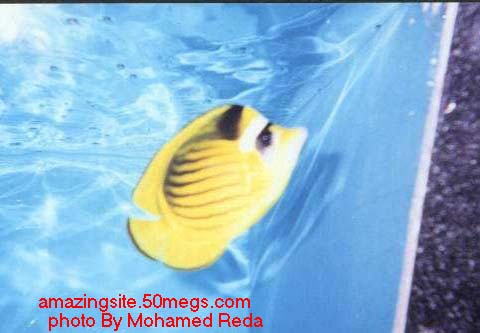
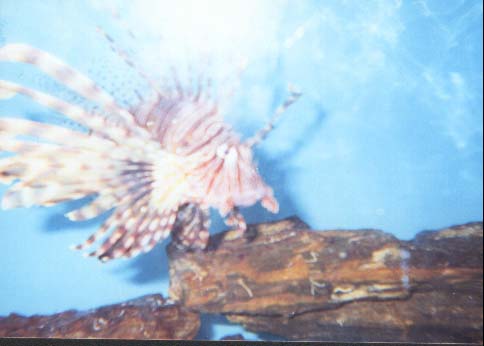
| 12- The Aquarium | ||||||||||||||||||||||||||||||||||||||||||||||||||||||||||||||||||||||||||||||||||||||||||||
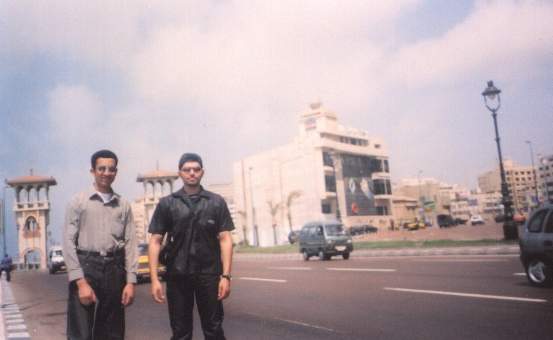
| 11- Stanley Bridge | ||||||||||||||||||||||||||||||||||||||||||||||||||||||||||||||||||||||||||||||||||||||||||||
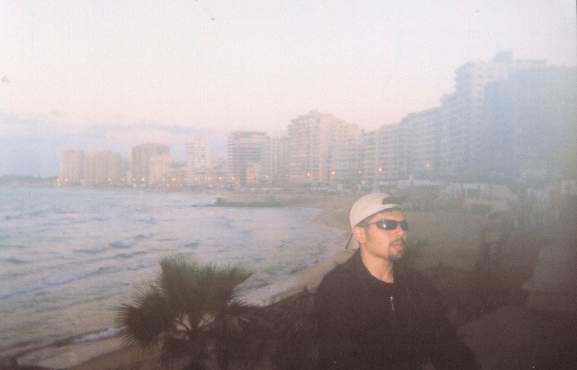
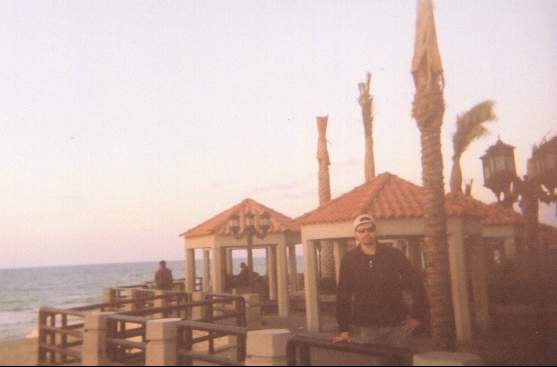
| 13- The Corniche | ||||||||||||||||||||||||||||||||||||||||||||||||||||||||||||||||||||||||||||||||||||||||||||
![]() ![]() |
||||||||||||||||||||||||||||||||||||||||||||||||||||||||||||||||||||||||||||||||||||||||||||
![]() |
||||||||||||||||||||||||||||||||||||||||||||||||||||||||||||||||||||||||||||||||||||||||||||
| Home | ||||||||||||||||||||||||||||||||||||||||||||||||||||||||||||||||||||||||||||||||||||||||||||
| TOUR & PICTURES BY MOHAMED REDA | ||||||||||||||||||||||||||||||||||||||||||||||||||||||||||||||||||||||||||||||||||||||||||||