

3

To buy the essential books on the Sedgemoor rebels go here
.
|
|
|
|
|
|
|
|
|
|
|
|
|
|
|
|
|
|
| The Myth of the Pitchfork Rebel - Ralph Mitchard | |||||||||||||||||
|
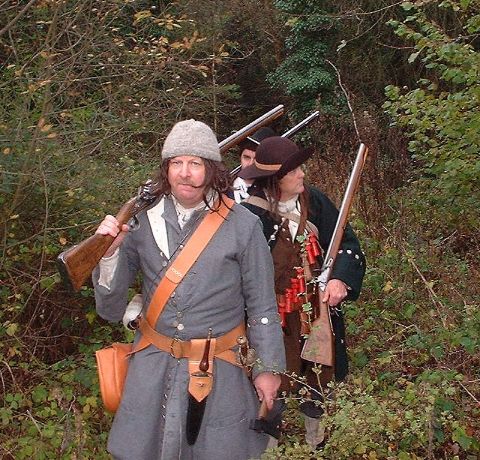
Historians and those promoting tourism in Somerset have combined unwittingly to create the image of a 'pitchfork' rebellion - a rising of farmers and rural workers - nothing could be further than the truth. Rather than being bumpkins the average Monmouth rebel was literate and well motivated and probably lived in an urban environment. In many ways they would be similar to the devout Massachussetts men of the frontier wars of early America. More to come | ||||||||||||||||
| LINKS OF INTEREST | |||||||||||||||||
| Gallery 1 2 3 |
|||||||||||||||||
| Nigel Walker and co of the Queen Dowager's recreating civilian troops - above Francis Backs picture for National Geographical magazine on the expedition to Quebec by Sir William Phips | |||||||||||||||||
|
|
|||||||||||||||||
|
|||||||||||||||||
| Although many types of people joined the Rebel army the majority of them were of the artisan class - the West Country of the late 17th century was the industrial base of the English cloth trade through a network of busy towns. Somerset was one of the most densely populated areas in the country with the independent and skilled craftsmen being the most likely to join the Royal Duke To buy the essential books on the Sedgemoor rebels go here . |
|||||||||||||||||
| Not all Rebels were West Countrymen - many adventurers and romantics joined the cause including the novelist Daniel Defoe. | |||||||||||||||||