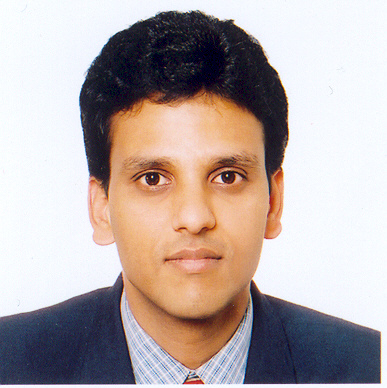
 |
SAI PRASAD M K
|
Orient Mg LTD, Rm # 803,804, Byucksan Digital Valley,212-16 kuro-3dong kuro-ku, Seoul, Korea - 152 848 Mobile No: 0082 - 19 - 801 - 0803 E-mail: mk_saiprasad @yahoo.com, [email protected] Home Page: www.geocities.com/mk_saiprasad |
||||||||||||||||||||||||||||||||||||||||
|
|
||||||||||||||||||||||||||||||||||||||||||
| Objective | ||||||||||||||||||||||||||||||||||||||||||
| To pursue challenging and career oriented in emerging technologies and to excel in the field of software & Control Systems industry. | ||||||||||||||||||||||||||||||||||||||||||
| . | ||||||||||||||||||||||||||||||||||||||||||
| Career Interests | ||||||||||||||||||||||||||||||||||||||||||
| Instrumentation/Control SW, SW/Systems Engineering, Hard Real-Time/Embedded SW Development, Networking/Communications SW Development, Operating System SW/Device Driver Development, Open Source Software Development. | ||||||||||||||||||||||||||||||||||||||||||
| . | ||||||||||||||||||||||||||||||||||||||||||
| Professional Expertise | ||||||||||||||||||||||||||||||||||||||||||
|
Ø
Expertise
in Design & Development using Visual C++ (with MFC, SDK, DDK), C++, C,
Device Drivers, Assembly Language programming, Atmel
AVR Programming, Control Systems Automation. |
||||||||||||||||||||||||||||||||||||||||||
|
Ø
Familiar in using
Visual Basic, Oracle, Client/Server Applications, Networking. |
||||||||||||||||||||||||||||||||||||||||||
| . | ||||||||||||||||||||||||||||||||||||||||||
| Career Record | ||||||||||||||||||||||||||||||||||||||||||
| Ø Having an Overall Experience of 6 years. | ||||||||||||||||||||||||||||||||||||||||||
|
||||||||||||||||||||||||||||||||||||||||||
| . | ||||||||||||||||||||||||||||||||||||||||||
| Specific skills and Experience | ||||||||||||||||||||||||||||||||||||||||||
| Technical Skills | ||||||||||||||||||||||||||||||||||||||||||
|
||||||||||||||||||||||||||||||||||||||||||
| .. | ||||||||||||||||||||||||||||||||||||||||||
|
Software
Engineering Skills |
||||||||||||||||||||||||||||||||||||||||||
| Experienced in all phases of the Software Development life cycle, starting with initial system concept/proposal/requirements development (both hardware and software). Proficient in software analysis, software design, software implementation, testing, and software maintenance. | ||||||||||||||||||||||||||||||||||||||||||
| . | ||||||||||||||||||||||||||||||||||||||||||
| Operating System Skills | ||||||||||||||||||||||||||||||||||||||||||
| Experienced on a wide variety of operating systems such as MS-DOS, WINDOWS XP/2000/NT/98/95, and Unix. | ||||||||||||||||||||||||||||||||||||||||||
| . | ||||||||||||||||||||||||||||||||||||||||||
| Programming Language & GUI Skills | ||||||||||||||||||||||||||||||||||||||||||
| Expertise in several programming languages like C, Fortran, Assembly, object-oriented concepts and the C++ programming language as well as little JAVA. Also familiar with SQL and PL/SQL database query/programming languages. Well Versed in using GUI’s like Visual C++, Embedded Visual C++,Visual Basic. | ||||||||||||||||||||||||||||||||||||||||||
| . | ||||||||||||||||||||||||||||||||||||||||||
|
Device
Driver Development Skills |
||||||||||||||||||||||||||||||||||||||||||
| Experienced at writing device drivers for various windows operating systems. Good understanding of interrupt handling, hardware handshaking, memory mapping, and low-level I/O bus protocols. Very good at designing device driver software for specialized hardware with rigorous timing and performance constraints. | ||||||||||||||||||||||||||||||||||||||||||
| . | ||||||||||||||||||||||||||||||||||||||||||
| Client/Server Programming Skills | ||||||||||||||||||||||||||||||||||||||||||
| Well versed in all areas of Client-Server programming in a networked environment including both asymmetric and symmetric Client-Server programming models. Proficient with both connection oriented and connectionless TCP/IP protocols using the Transport Layer of the OSI Network Model. Good understanding of the "socket" mechanism used to interface to TCP/IP including socket level TCP/IP options such as KEEPALIVE, full duplex stream protocol, socket buffering, socket creation, socket binding to IP Address/Port Address, accept, listen, and connect system calls. | ||||||||||||||||||||||||||||||||||||||||||
| . | ||||||||||||||||||||||||||||||||||||||||||
|
Networking
Skills |
||||||||||||||||||||||||||||||||||||||||||
| Knowledgeable of both link-level and transport layer TCP/IP peer-to-peer protocol including UDP (unreliable, connectionless DATAGRAM service) and TCP (reliable, connection oriented, message delivery service). Familiar with various networking topology. | ||||||||||||||||||||||||||||||||||||||||||
| . | ||||||||||||||||||||||||||||||||||||||||||
| System Engineering Skills | ||||||||||||||||||||||||||||||||||||||||||
|
Very
competent at working with complex hardware / software configurations in a
distributed computing environment. Capable of overall system design.
Knowledgeable on a wide variety of computer architectures and platforms
including INTEL xx86. |
||||||||||||||||||||||||||||||||||||||||||
| . | ||||||||||||||||||||||||||||||||||||||||||
|
PC
Skills |
||||||||||||||||||||||||||||||||||||||||||
|
Experienced
at using PC platforms running Microsoft Operating Systems. |
||||||||||||||||||||||||||||||||||||||||||
| . | ||||||||||||||||||||||||||||||||||||||||||
| Project Management Skills | ||||||||||||||||||||||||||||||||||||||||||
| Well aware of the problems associated with complex system software/hardware development and project management. Mature understanding of how to leverage existing open system technology to provide a cost-effective solution to most data processing problems. Capable of defining project and systems objectives and defining clear implementation guidelines. Able to protect projects schedules and work within budgets and at the same time meet and sometimes exceed system requirements. | ||||||||||||||||||||||||||||||||||||||||||
| . | ||||||||||||||||||||||||||||||||||||||||||
|
Overall
Strengths |
||||||||||||||||||||||||||||||||||||||||||
| Capable of solving complex technical problems with little or no supervision. Strong in written communication skills. Willing to spend the extra time required to get the job done. Dedicated to producing very high quality software/systems solutions. Good team player. Constantly seeking and participating in formal education programs to keep skills current and add value as an employee of the organization. | ||||||||||||||||||||||||||||||||||||||||||
| . | ||||||||||||||||||||||||||||||||||||||||||
| Projects I accomplished (reverse chronological order) | ||||||||||||||||||||||||||||||||||||||||||
|
||||||||||||||||||||||||||||||||||||||||||
| . | ||||||||||||||||||||||||||||||||||||||||||
| Project Profile | ||||||||||||||||||||||||||||||||||||||||||
| . | ||||||||||||||||||||||||||||||||||||||||||
| Description | ||||||||||||||||||||||||||||||||||||||||||
|
The aim of the product is to control a Diode Laser System used for Skin operations. The system is bifurcated into 4 modules as Digital I/O, Analog I/O, Communication software, Trigger pulse generation software. The I/O Controller is intended to read/ write the Control Instruments. I/O System consists of ADDA ports. The Device Driver drives the ADDA I/O Ports, so that Windows CE does not throw any exception for accessing the Hardware from a User-Mode Application. DIO & ADDA data is retrieved from IO ports. Temperature sensor, Energy sensors, High voltage power supply and other digital signals can be analyzed on system operation. The communication software is developed to communicate between the ARM & AVR processor. The Trigger pulse generation is handled in AVR processor. The signals generated are Single, 1, 2, 3, 6,10Hz of 4ms, 7ms, 10ms, 450us. |
||||||||||||||||||||||||||||||||||||||||||
| . | ||||||||||||||||||||||||||||||||||||||||||
| Description | ||||||||||||||||||||||||||||||||||||||||||
| The aim of the product is to control a Laser System (Nd: Yag & Er: YAG) used for Skin operations. This is 3rd Generation OreXpDuo laser system. The System has two parts of programming one is GUI for Windows using VC++ & the 2nd is Control software using the AVR Mega series programming. The AVR system is bifurcated into 8 modules as Cooler, Optical, Trigger pulse generation, Energy, IGBT, SCR, Miscellaneous and Master Modules. All the Modules Communicate with Master module-using RS-232 to read/write the I/Os. DIO & ADDA data is retrieved from IO ports of all the modules by Master AVR, which in turn sends data to Windows GUI. The Slave modules communication is decoded using by an inbuilt MODEM (TL16C554) on Master AVR Mega 128 Processor board. This Modem has 4 channels inside, so V had used 4 modems to get data from 12 channels. Temperature sensor, Energy sensors, High voltage power supply and other digital signals can be analyzed on system operation. The communication software is developed to communicate between the Intel Pentium processor & Master AVR Mega 128. The Trigger pulse generation is handled in AVR Mega 32. The signals generated are Single, 1,2,3,6,10Hz of 4ms, 7ms, 10ms, 450us for Er: YAG laser system & Nd: YAG laser system. | ||||||||||||||||||||||||||||||||||||||||||
| . | ||||||||||||||||||||||||||||||||||||||||||
| Description | ||||||||||||||||||||||||||||||||||||||||||
| The aim of the up gradation is to cope up with the real time & to make more reliable system. The system is bifurcated into 3 modules as Digital I/O, Analog I/O and Safety System. The I/O Controller is intended to read/ write the Control Instruments. This is connected to the Control system board through an I/O Subsystem interfaced on local PCI Bus. I/O System consists of DSP based PCI card. The Device Driver drives the I/O Ports, so that Windows 2000 does not throw any exception for accessing the Hardware from a User-Mode Application. DIO & ADDA data is retrieved from IO ports. Temperature sensor, Energy sensors, High voltage power supply and other digital signals can be analyzed on system operation. The Control Software is maintained & controlled by ADSP 2185 processor & windows. These two processors communicate through PCI. A safety system is designed in such a way that both processors communicate continuously to prove their existence thereby preventing the laser system from malfunctions. The entire user level process is controlled & maintained in windows. Depending on the User inputs the data has been processed & sent to ADSP for controlling the Control instruments. The Trigger signals are generated in ADSP 2185 processor. | ||||||||||||||||||||||||||||||||||||||||||
| . | ||||||||||||||||||||||||||||||||||||||||||
| Description | ||||||||||||||||||||||||||||||||||||||||||
|
The
actual goal is to develop PCI Kernel mode drivers for PLX PCI 9030 and to
make PCI based DIO, ADDA Control interface board through ADSP 2185. The
hardware is PCI Compatible & uses PLX PCI 9030. The Target is ADSP
2185 for this DSP-PCI board. PCI 9030 acts as a bridge between Pentium
& ADSP 2185 processor. A driver is designed to support PLX PCI 9030
type and any number of same boards in the target. The drivers support all
boards functions via the PCI bus including interrupts, Memory Mapped and
programmed I/O. A DPRAM CY7C09349 from Cypress is used for memory
handling. Both Processors can access this DPRAM at the same time. |
||||||||||||||||||||||||||||||||||||||||||
| . | ||||||||||||||||||||||||||||||||||||||||||
| Description | ||||||||||||||||||||||||||||||||||||||||||
|
The
aim of the up gradation is to cope up with the real time & to make more
reliable system. The system is bifurcated into 3 modules as GUI, I/O
Control Software, and Communication software. The I/O Controller is
intended to read/ write the Control Instruments. This is connected to the
Control system board through an ADSP Subsystem. The Control Software is
maintained in ADSP 2185 processor & on windows. These two processors
communicate through RS232. A safety system is designed in such a way that
both processors communicate continuously to prove their existence. The
entire user level process is controlled & maintained in windows.
Depending on the User inputs the data has been processed & sent to
ADSP for controlling the Control instruments. |
||||||||||||||||||||||||||||||||||||||||||
| . | ||||||||||||||||||||||||||||||||||||||||||
|
||||||||||||||||||||||||||||||||||||||||||
| Description | ||||||||||||||||||||||||||||||||||||||||||
| Control system Interface card is designed to operate medical laser system. The card facilitates 32 DIO & 16AIO ports. These ports are connected to the PCI ADDA card. Various chips used for designing the circuits are OpAmp LM 358, Optos TLP 523-4, PS2502-4, Photo couplers HFBR 2534, 555 Timers, Relays, L297/298 Stepper Motor Controllers, Max 232 chip for RS 232 communication are used. These above said chips are used for designing various Analog circuits like temperature controller, HVPS Setting & monitoring, Laser Energy monitoring and for Digital IO Circuits. | ||||||||||||||||||||||||||||||||||||||||||
| . | ||||||||||||||||||||||||||||||||||||||||||
| Description | ||||||||||||||||||||||||||||||||||||||||||
|
|
||||||||||||||||||||||||||||||||||||||||||
| . | ||||||||||||||||||||||||||||||||||||||||||
|
||||||||||||||||||||||||||||||||||||||||||
| Description | ||||||||||||||||||||||||||||||||||||||||||
|
This project aims at providing an IT solution for R & D Inventory system.. This is developed using Client/server Technology. This has various modules like Inventory, Sales,& HRD Information System. The main aim of the project is to automate the R &D totally in aspects like tracking of Goods In/Out, Inventory, Sales . The Inventory module maintains the stock of different fields related to the maintenance of the R & D. It maintains the details about each category, product, and suppliers of each product and prepares the orders based on the reorder level of a product. It looks about the daily transactions of all the sales. Reports will be generated for every aspect of the requirements. |
||||||||||||||||||||||||||||||||||||||||||
| . | ||||||||||||||||||||||||||||||||||||||||||
|
||||||||||||||||||||||||||||||||||||||||||
| Description | ||||||||||||||||||||||||||||||||||||||||||
| The aim of the product is to control a cyber cafe from manager’s desktop. This application contains two modules, which are Status monitor system application and Client application. Lock means the system is available and Unlock means the system is occupied. When the customer walks-in then the manger checks the availability of the system in the café, if he finds any unoccupied system then he unlocks the system for the customer to occupy. When the manager unlocks the system then the customer time starts and again when the customer finishes his work and approach the manager for a bill then the manager locks the system and customer time ends there. Depending on the duration i.e., unlock / lock period the amount is calculated and the bill is issued. All these transactions are stored into a file for further reference. So this project helps a café manager to allot a system, to issue a bill and also from misuse of the system. The functions involved are lock / unlock a terminal (Client), Issue a Bill for the unlock- lock period, has a set of manager options like Add / Remove a Manager, Change a Password, View / Change the price system, view last logged in managers collection, View day-wise collection. The functions like Add / Remove Manager, Change Password, View / Change Price system are available only to the “OWNER” who acts like a Administrator. | ||||||||||||||||||||||||||||||||||||||||||
| . | ||||||||||||||||||||||||||||||||||||||||||
| Description | ||||||||||||||||||||||||||||||||||||||||||
|
eFluids
is a special Web portal created to be a one-stop Web information resource
for anyone working in the areas of flow engineering, fluid mechanics
research, education and directly related topics.
The information in this portal is screened and edited by experts.
By providing comprehensive, accurate and intelligently selected and
organized information - which can be accessed quickly and conveniently -
we intend eFluids to solve the problem of finding the information you need
on the Web. Access to the
information content in eFluids is free to all users. |
||||||||||||||||||||||||||||||||||||||||||
| . | ||||||||||||||||||||||||||||||||||||||||||
| Description | ||||||||||||||||||||||||||||||||||||||||||
| The aim of the project is to provide information of the Hotel Paris and has the facility of reserving a Room, Change of Reservation, Cancel a Reservation and others services carried at Hotel Paris. Even this includes Booking for making an Event. Other services are like City Tour, Air reservation, Rail Reservation, Health Care and so many. From this Site the End user can avail all the above said Hotel facilities. | ||||||||||||||||||||||||||||||||||||||||||
| . | ||||||||||||||||||||||||||||||||||||||||||
| Description | ||||||||||||||||||||||||||||||||||||||||||
| This project aims at providing an IT solution for SIT water park, Mauritius. This is developed using Client/server Technology. This has various modules like Ticketing, Member Tracking, Inventory, and Management Information System. The main aim of the project is to automate the park totally in aspects like ticket issuing, tracking of members to provide bonus points, restaurant and inventory. The Ticketing Module has operations like issuing and cancellation of a Ticket at various ticket counters through out Mauritius. Member Tracking helps the visitor to register himself and avail the membership. He will be provided with some membership ID, which helps the management to track him whenever he visits the park. On the basis of the amount spent by him in the park he will be issued some bonus points based on this he will be issued some surprise gift. The Inventory module maintains the stock of different fields related to the maintenance of the park. It maintains the details about each category, product, and suppliers of each product and prepares the orders based on the reorder level of a product. It looks about the daily transactions of all the sales counter in side the park. Reports will be generated for every aspect of the requirements. | ||||||||||||||||||||||||||||||||||||||||||
| . | ||||||||||||||||||||||||||||||||||||||||||
| Description | ||||||||||||||||||||||||||||||||||||||||||
|
This
project aims at providing a simulated environment for a person to learn
driving a heavy vehicle (e.g. A truck). The CGI is being developed using
C, Win32 API, Open GL where as the IS is being developed using C++
(VC++ 6.0). A driver has got controls like steering, gear handle, brake,
accelerator, clutch etc. to control the movement of the vehicle and an I/O
system transforms the parameters like steering handle, speed etc to the
CGI software.
The CGI Software uses the OpenGL calls to render the 3D world on a
display unit placed in front of the driver.
This makes the driver feel as if he is driving in the real world.
The CGI and the IS modules interact with each other using sockets. |
||||||||||||||||||||||||||||||||||||||||||
| . | ||||||||||||||||||||||||||||||||||||||||||
| Description | ||||||||||||||||||||||||||||||||||||||||||
|
The
objective of the Simulator is to provide training to the employees of
NPCIL on Nuclear Power Plant Control Operations. The Instructor Station
has a user interface for the Plant Instructor to execute certain commands,
which are intended for Plant Operation. The Instructor Station acts as a
Host for Six I/O Controllers, MMI System, and Digital Recording System. |
||||||||||||||||||||||||||||||||||||||||||
| . | ||||||||||||||||||||||||||||||||||||||||||
| Description | ||||||||||||||||||||||||||||||||||||||||||
|
The
I/O Controllers act as Server and the Host/Instructor Station request for
Control Panel input parameters and I/O Controller processes the Request,
reads the Panel Instruments, and sends the same to the Host. Host will
send data to update Control Panel Output Instruments to I/O Controller.
I/O Controller updates the Panel Instruments. The data read by host will
be written into R/W memory segment, Simulation Models will use the same,
and the Models in turn will write output parameters into the segment. The
Comm. Module reads this segment and sends the Output Parameters to the I/O
System. |
||||||||||||||||||||||||||||||||||||||||||
| . | ||||||||||||||||||||||||||||||||||||||||||
| Description | ||||||||||||||||||||||||||||||||||||||||||
|
The
I/O Controller is intended to read/ write the Control Panel Instruments.
This is connected to the Panel through an I/O Subsystem interfaced on ISA
Bus. I/O System consists of Digital input/output and Analog Input / Output
cards sit on an I/O Bus. The I/O Bus Interface card connects ISA BUS
through an ISA BUS Interface card sits in ISA Bus. The Device Driver
enables the process to access the I/O Ports, so that Windows NT does not
throw any exception for accessing the Hardware from a USER-MODE
Application. |
||||||||||||||||||||||||||||||||||||||||||
| . | ||||||||||||||||||||||||||||||||||||||||||
| Description | ||||||||||||||||||||||||||||||||||||||||||
| The card is designed to meet the requirements of the I/O System's I/O Bus. The card has two 8-bit output ports, one 16-bit write port, one 16-bit read port and one configuration register to configure the ports as required. The card hardware includes TTL Logic circuitry and PALs. The Test software tests each port for input and output configurations. | ||||||||||||||||||||||||||||||||||||||||||
| . | ||||||||||||||||||||||||||||||||||||||||||
| Description | ||||||||||||||||||||||||||||||||||||||||||
| I/O cards were tested and troubleshot and problems were rectified. The aim of this testing is to get idea of the Design of the cards and functionality of the I/O Systems which were configured with these I/O cards. | ||||||||||||||||||||||||||||||||||||||||||
| . | ||||||||||||||||||||||||||||||||||||||||||
| Project in Engineering | ||||||||||||||||||||||||||||||||||||||||||
|
||||||||||||||||||||||||||||||||||||||||||
| Description | ||||||||||||||||||||||||||||||||||||||||||
| This project is a proto type of an antenna tilting mechanism, which places bulky parabolic reflector antennas exactly in the line of sight of the satellite. A Micro Controller (Intel 80C31) constantly interacts with the real time clock comparing the system clock and positions the antenna in the desired direction using a Stepper Motor to which it is mounted. | ||||||||||||||||||||||||||||||||||||||||||
| . | ||||||||||||||||||||||||||||||||||||||||||
| Workshops | ||||||||||||||||||||||||||||||||||||||||||
| Attended the DSP Course on TMS Series & ADSP Processors conducted by Vi Microsystems, Chennai in coordination with Vellore Engineering College, Vellore for the duration of 60 hours. | ||||||||||||||||||||||||||||||||||||||||||
| . | ||||||||||||||||||||||||||||||||||||||||||
| Domain Knowledge | ||||||||||||||||||||||||||||||||||||||||||
| Bachelor's Degree in Electronics & Communications Engineering in April 1998 from Vellore Engineering College, Vellore that is affiliated to the University of Madras. | ||||||||||||||||||||||||||||||||||||||||||
| . | ||||||||||||||||||||||||||||||||||||||||||
| Electives in Engineering | ||||||||||||||||||||||||||||||||||||||||||
|
||||||||||||||||||||||||||||||||||||||||||
| . | ||||||||||||||||||||||||||||||||||||||||||
| Personal Information | ||||||||||||||||||||||||||||||||||||||||||
|
||||||||||||||||||||||||||||||||||||||||||
| . | ||||||||||||||||||||||||||||||||||||||||||
|
||||||||||||||||||||||||||||||||||||||||||
| . | ||||||||||||||||||||||||||||||||||||||||||
|
||||||||||||||||||||||||||||||||||||||||||


