Brief History
The amazing works of art and architecture known as the Seven Wonders of the Ancient World serve as a testament to the ingenuity, imagination and sheer hard work of which human beings are capable. They are also, however, reminders of the human capacity for disagreement, destruction and, possibly, embellishment. As soon as ancient writers compiled a list of "seven wonders," it became fodder for debate over which achievements deserved inclusion. Ultimately, human hands joined with natural forces to destroy all but one of the wonders. Furthermore, it is possible that at least one of the wonders might not have existed at all. Still, all seven continue to inspire and be celebrated as the remarkable products of the creativity and skill of Earth's early civilizations.
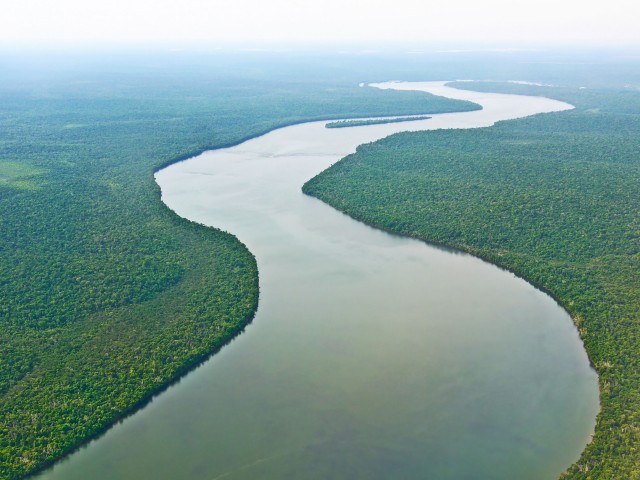
Amazon Rainforest and River
The Amazon Rainforest (Bolivia, Brazil, Colombia, Ecuador, French Guiana, Guyana, Peru, Suriname and Venezuela), also known as Amazonia, the Amazon jungle or the Amazon Basin, encompasses seven million square kilometers (1.7 billion acres), though the forest itself occupies some 5.5 million square kilometers (1.4 billion acres), located within nine nations.
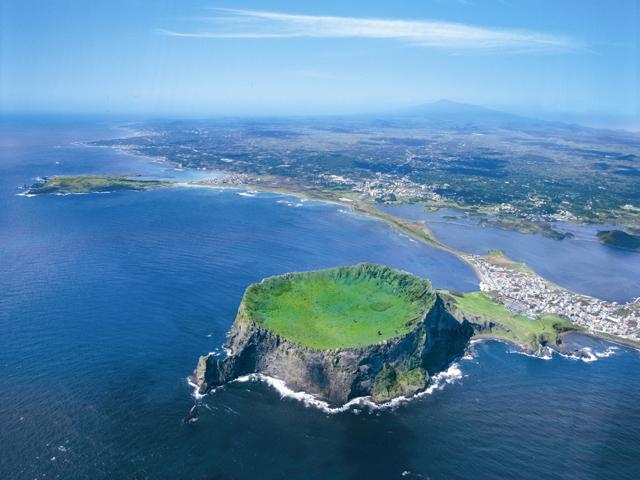
Jeju Island
Jejudo is a volcanic island, 130 km from the southern coast of Korea. The largest island and smallest province in Korea, the island has a surface area of 1,846 sqkm. A central feature of Jeju is Hallasan, the tallest mountain in South Korea and a dormant volcano, which rises 1,950 m above sea level. 360 satellite volcanoes are around the main volcano.
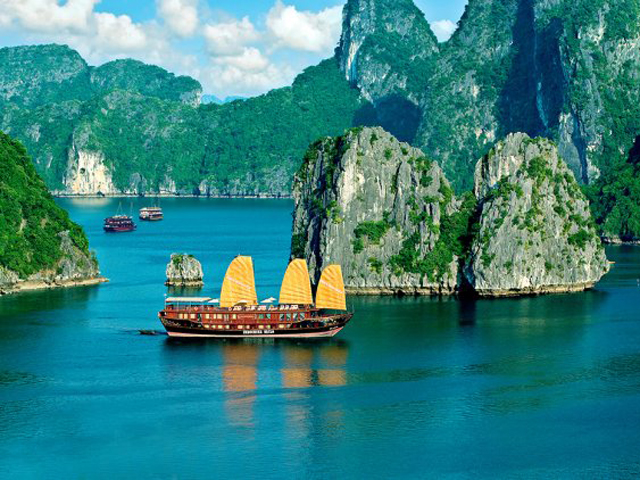
Halong Bay
Ha Long Bay is located in Quang Ninh province, Vietnam. The bay features thousands of limestone karsts and isles in various sizes and shapes. The bay has a 120 kilometre long coastline and is approximately 1,553 square kilometres in size with 1969 islets.
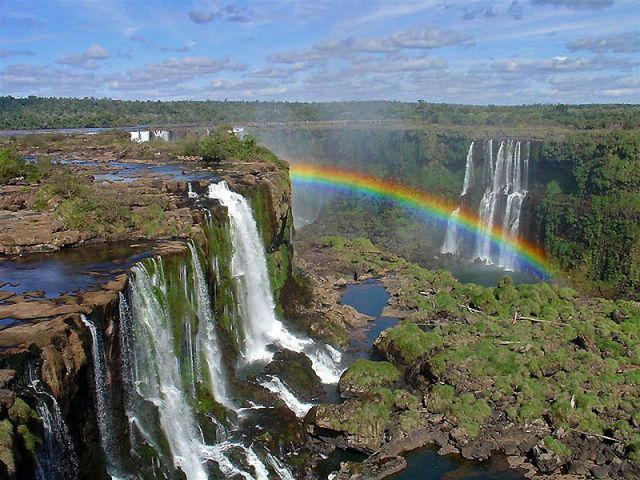
Iguazu Falls
Iguazu Falls, in Iguazu River, are one of the world's largest waterfalls. They extend over 2,700 m (nearly 2 miles) in a semi-circular shape. Of the 275 falls that collectively make up Iguassu Falls, "Devil's Throat" is the tallest at 80 m in height.
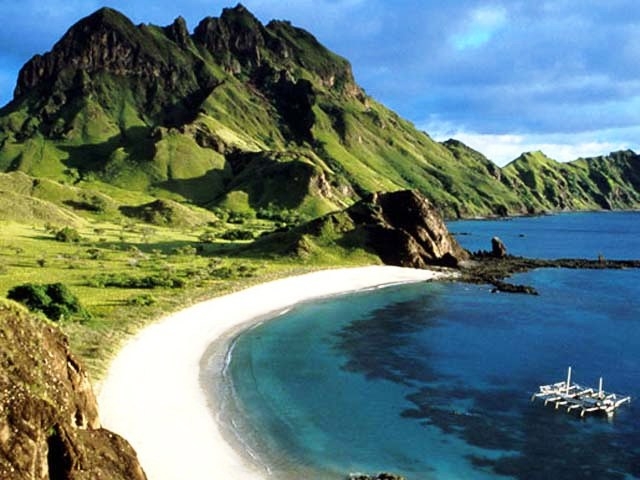
Komodo Island
Indonesia's Komodo National Park includes the three larger islands Komodo, Rinca and Padar, as well as numerous smaller ones, for a total area of 1,817 square kilometers (603 square kilometers of it land). The national park was founded in 1980 to protect the Komodo dragon. Later, it was also dedicated to protecting other species, including marine animals. The islands of the national park are of volcanic origin.
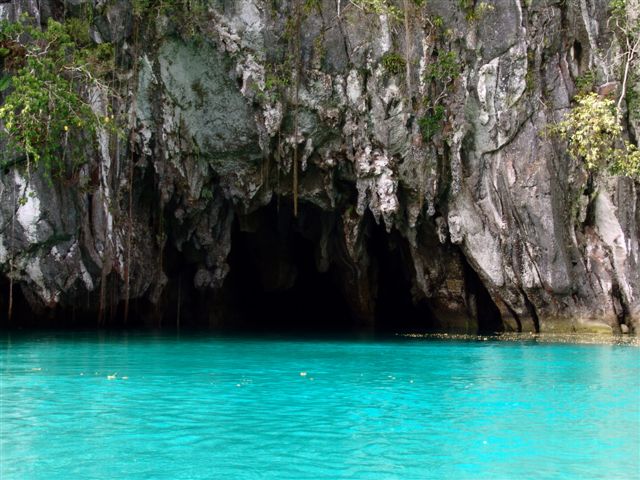
Puerto Prinsesa Underground River
The Puerto Princesa Subterranean River National Park is located about 50 km north of the city of Puerto Princesa, Palawan, Philippines. It features a limestone karst mountain landscape with an 8.2 km. navigable underground river. The underground river is reputed to be the world's longest. At the mouth of the cave, a clear lagoon is framed by ancient trees growing right to the water's edge.
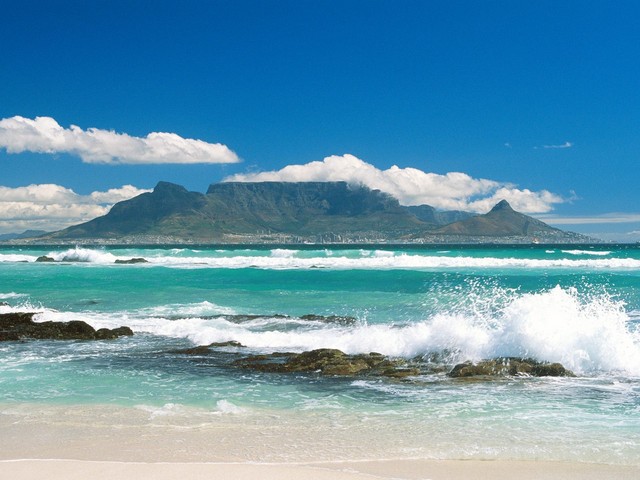
Table Mountain
Table Mountain is a South African icon and the only natural site on the planet to have a constellation of stars named after it - Mensa, meaning "The Table." Table Mountain boasts numerous rare and endangered species. It is the most recognized site in Cape Town, the gateway to Africa, owing to its unique flat-topped peaks which reach 1,086 m above sea level.