Japan
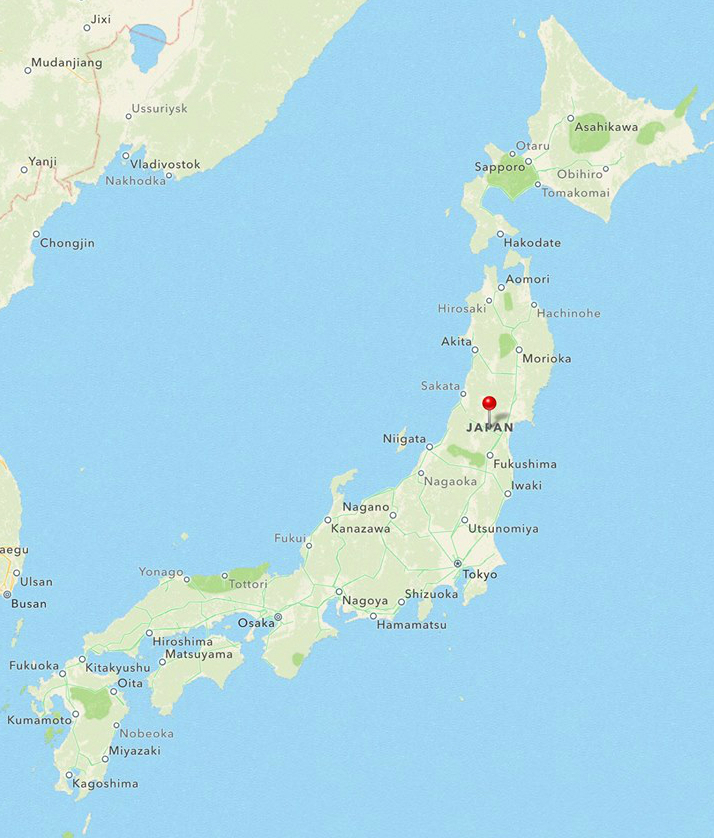
Osaka
Osaka is a city in the Kansai region of Japan's main island of Honshu, a designated city under the Local Autonomy Law, the capital city of Osaka Prefecture and also the largest part of the Keihanshin metropolis, which comprises three major cities of Japan: Kyoto, Osaka and Kobe. Located at the mouth of the Yodo River on Osaka Bay, Osaka is Japan's third largest city by population after Tokyo (special wards) and Yokohama.
Keihanshin is the second largest metropolitan area in Japan by population and one of the largest metropolitan areas highly ranked in the world, with nearly 19 million people, and by GDP the second largest area in Japan and the seventh largest area in the world.
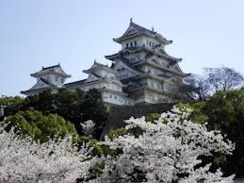 |
| Osaka |
|---|
Fukui
The city was incorporated under its present name on April 1, 1889, although it had been an important city in the region for at least 1000 years before that, serving as the capital of Echizen province during the Edo period (1603�1868).
Fukui was devastated by Allied bombing in 1945. American heavy bombers leveled some 86% of the city during the United States sustained strategic carpet-bombing campaign against the Empire of Japan. Fukui was again devastated by a major earthquake in 1948. The city has regained its energy and vitality. Hence, the city's official symbol�the phoenix.
On February 1, 2006, the towns of Miyama and Shimizu and the village of Koshino merged into the city of Fukui.
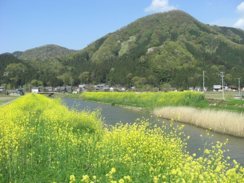 |
| Fukui |
|---|
Tokyo
Tokyo is one of the 47 prefectures of Japan. Tokyo is the capital of Japan, the center of the Greater Tokyo Area, and the largest metropolitan area in the world. It is the seat of the Japanese government and the Imperial Palace, and the home of the Japanese Imperial Family. Tokyo is in the Kanto region on the southeastern side of the main island Honshu and includes the Izu Islands and Ogasawara Islands. Tokyo Metropolis was formed in 1943 from the merger of the former Tokyo Prefecture.
Tokyo is Japan's capital and the world's most populous metropolis. It is also one of Japan's 47 prefectures, consisting of 23 central city wards and multiple cities, towns and villages west of the city center. The Izu and Ogasawara Islands are also part of Tokyo.
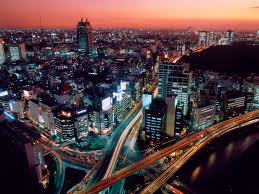 |
| Tokyo |
|---|
Shizuoka
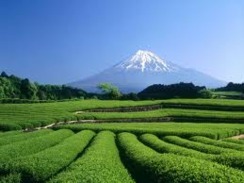
Shizuoka is the capital city of Shizuoka Prefecture, Japan, and the prefecture's second-largest city in terms of both population and area. It has been populated since prehistoric times.
The city's name is made up of two kanji, shizu, meaning "still" or "calm"; and oka, meaning "hill(s)". In 1869, Shizuoka Domain was first created out of the older Sunpu Domain, and that name was retained when the city was incorporated in 1885. In 2003, Shizuoka merged with Shimizu City (now Shimizu Ward), briefly becoming the largest city by land area in Japan. In 2005, it became one of Japan's 19 "designated cities".
 |
| Shizuoka |
|---|
Utsunomiya
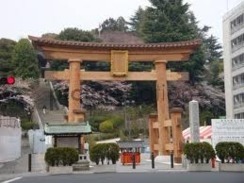
Utsunomiya is the capital and most populous city of Tochigi Prefecture, Japan. In October 2010 the city had an estimated population of 510,416 and a population density of 1,224.49 people per square kilometer. The total area is 416.84 km�. Greater Utsunomiya had a population of 888,005 in the 2000 Census. The nearby city of Oyama, Tochigi is included in Greater Tokyo, but Greater Utsunomiya is not, despite the two areas amalgamating somewhat.
Utsunomiya is approximately 100 km north of Tokyo. It is accessible by car via the Tohoku Expressway and by train via Utsunomiya Station on the Tohoku Shinkansen line. Narita International Airport is about three hours away by car or bus. The historic town of Nikko is approximately 25 km northwest of Utsunomiya.
 |
| Utsonomiya |
|---|