


baskets_by_nancy


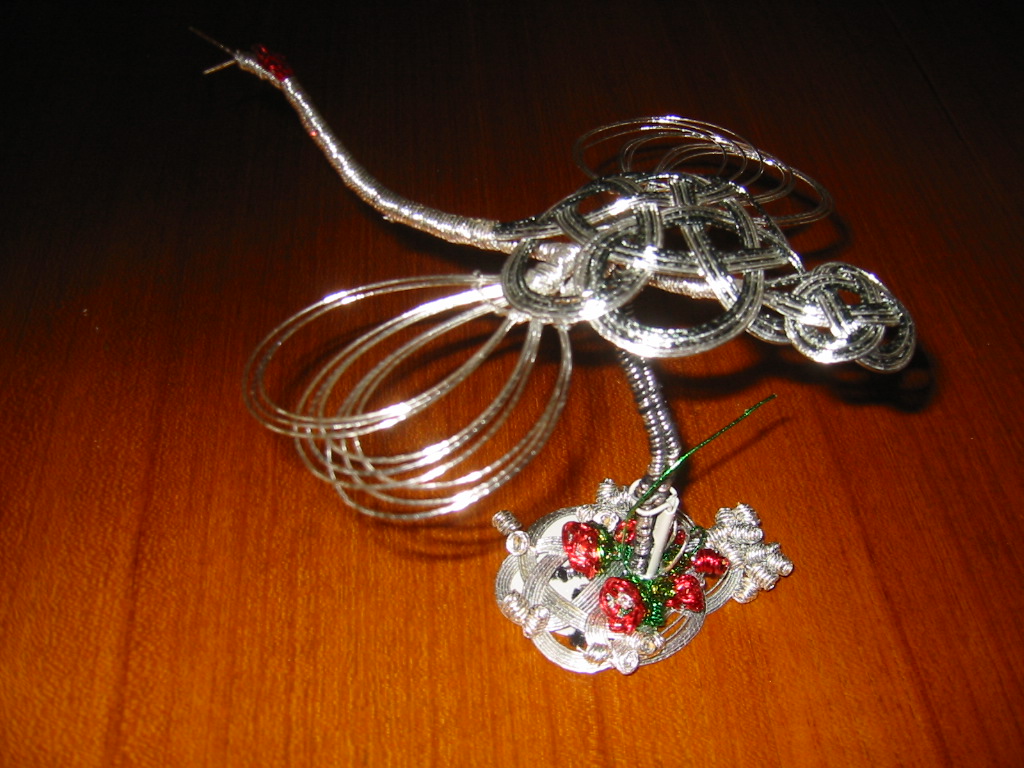
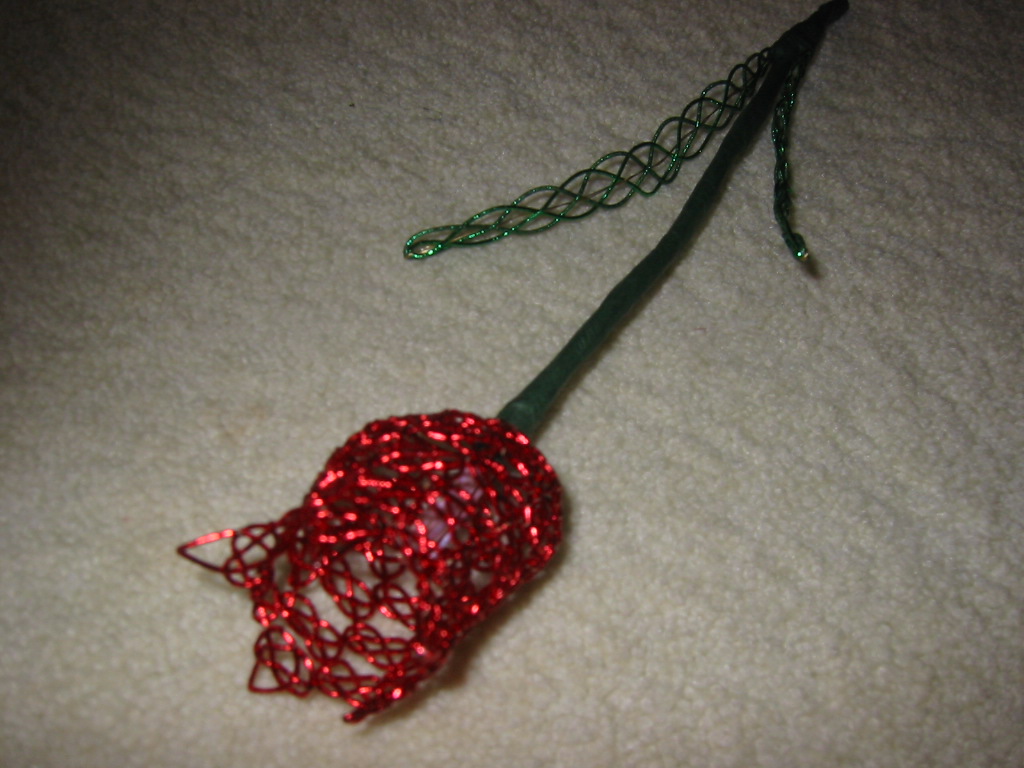

Japanese Folklore: The CRANE is said to live for 1,000 years.
Fact: Cranes are monogomus.
*****
Crane symbolizes long life & a lasting marriage.
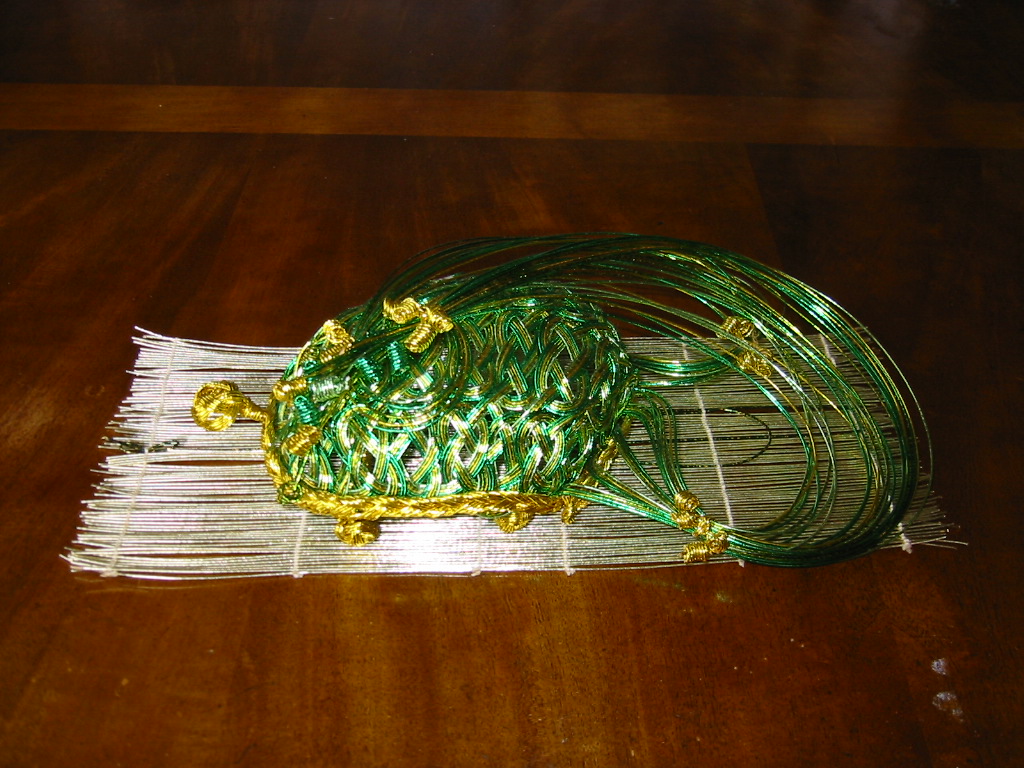
Japanese Folklore: The turtle is said to live for 10,000 years ... it is another symbol for long life.
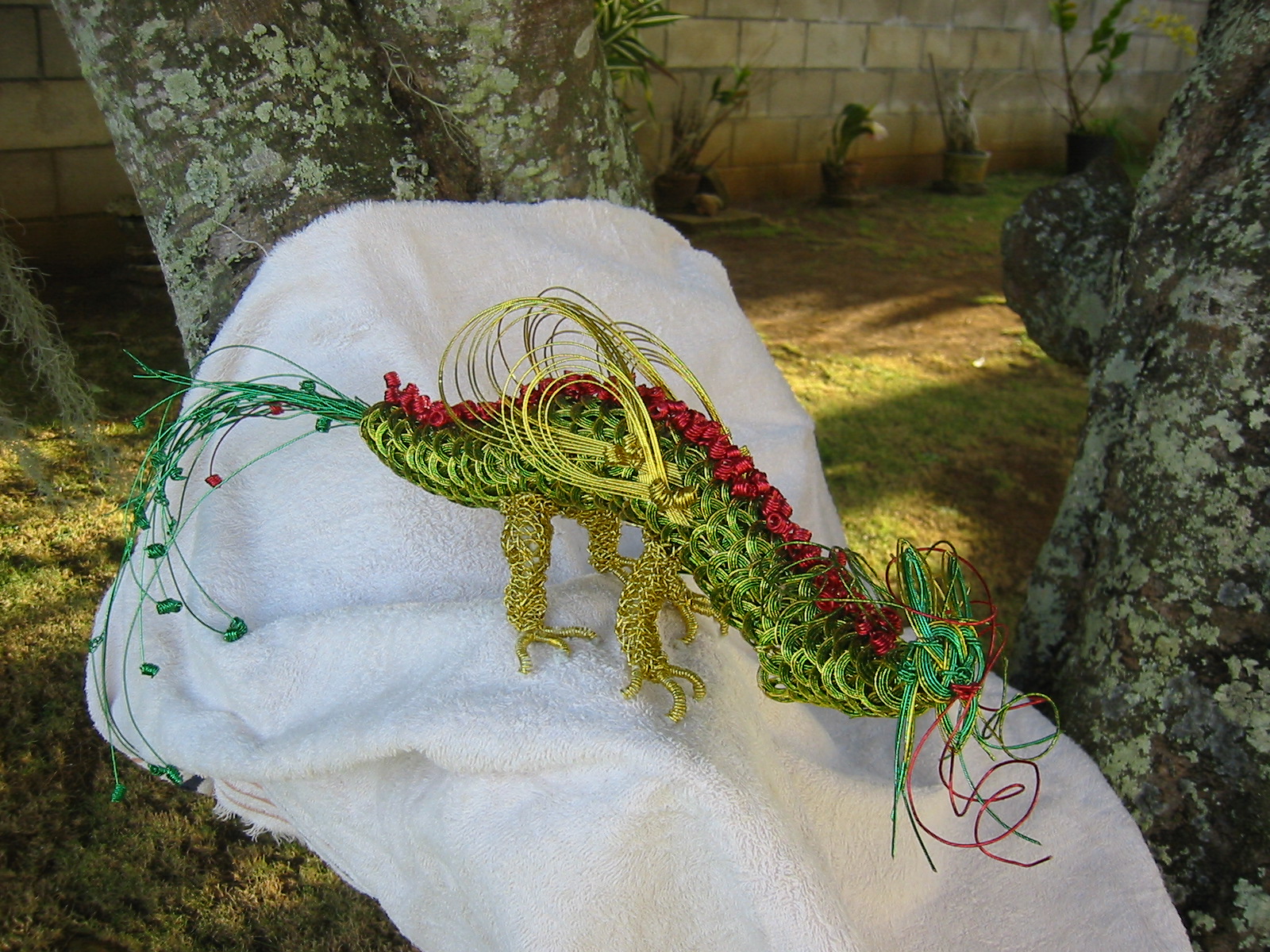
My "Friendly, Golden Dragon"
"mizu = water" - "hiki(hiku) = to apply or to pull."
The cords to create the designs and the completed designs are called MIZUHIKI.
~~~~~~~~~~~
Mizuhiki is paper cord. The core is handmade "washi" which is paper made from the bark of the paper mulberry tree. The washi is cut into strips approx. 7/8" wide. It is rolled tightly and an adhesive solution(starch) made from seaweed and dissolved clay is applied to hold it together. Thin strips of colored film is then wrapped around the rolled, starched cord. There are many "surface finishes" to the Mizuhiki. Examples: aside from the colored film, silk thread may be wrapped around the film. Some cords are simply wrapped with dyed silk thread without the film. The colors and textures of the Mizuhiki are subtle to vibrant; the cords are challenging to work with, but the completed designs are exquisite, rewarding and unique.
~~~~~~~~~~~
The origin of Mizuhiki goes back to the beginning of the seventh century. A court official and diplomat named Ono no Imoko, returned to Japan from China with numerous goodwill gifts tied with red and white cords. Influenced by the beauty of these cords, the first cords made by the Japanese were twisted paper called "koyori." Starching the "koyori" strengthened them, in turn making the musubi(tie/knot) stiffer and better. The cord used to tie the sumotori's "top-knot"(hair) is also made with the rolled washi.
Through the dedicated efforts of artisans ~ past and present ~ the surfaces, variations in colors, lengths, designs, uses, etc. evolved into "The art of Mizuhiki."
~~~~~~~~~~~
There are many websites on Mizuhiki to enjoy.
~~~ Compiled from various sources. ~~~