by Mark Rowan (Honorable Vice-President Of Mexico)
Hi there,
folks. Like many of you, I've just finished reading Daniel Pinkwater's
lovely The Artsy Smartsy Club.
Unlike some of you, I am no longer a young person, but I still needed
some cultural education to completely get the book. So, while I'm
sitting here at this computer looking things up, I figured I'd share
these things with
all the Pinkwater fans out there.
The Artsy Smartsy Club is Pinkwater's third book about Henrietta, the six-foot tall chicken introduced in the classic The Hoboken Chicken Emergency. It's also a book about Jolly Roger, the star of his own Pinkwater book (and a real-life dog that Captain Pinkwater described lovingly in one of his NPR commentaries) and Mr. Pinkwater's own artistic theories, which owe as much to Zen koans as they do to any art school. All the characters from the second Hoboken Chicken book (Looking for Bobowicz) reappear here, and we meet some new friends too.
During the book, our young heroes encounter several paintings, all of which can be found online with ease. (For the record, these tiny reproductions could never do any work of art justice -- they're just copies, and the colors are mostly all wrong. Seek out The Frick Museum in New York if you can.)
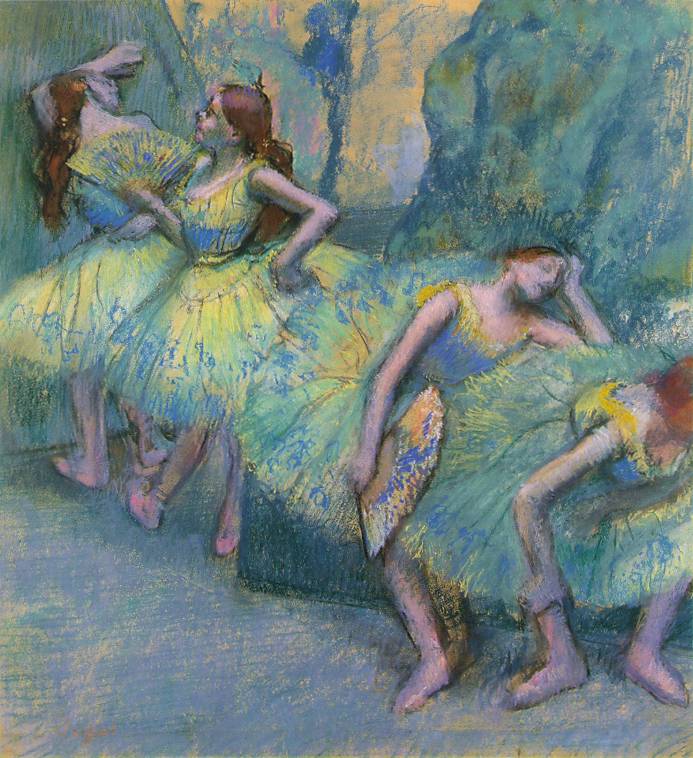
The first famous work Bruno and Loretta and Nick encounter is a variation on Edgar Degas's "Ballet Dancers In The Wings":
The Artsy Smartsy Club is Pinkwater's third book about Henrietta, the six-foot tall chicken introduced in the classic The Hoboken Chicken Emergency. It's also a book about Jolly Roger, the star of his own Pinkwater book (and a real-life dog that Captain Pinkwater described lovingly in one of his NPR commentaries) and Mr. Pinkwater's own artistic theories, which owe as much to Zen koans as they do to any art school. All the characters from the second Hoboken Chicken book (Looking for Bobowicz) reappear here, and we meet some new friends too.
During the book, our young heroes encounter several paintings, all of which can be found online with ease. (For the record, these tiny reproductions could never do any work of art justice -- they're just copies, and the colors are mostly all wrong. Seek out The Frick Museum in New York if you can.)
The first famous work Bruno and Loretta and Nick encounter is a variation on Edgar Degas's "Ballet Dancers In The Wings":
Almost
immediately
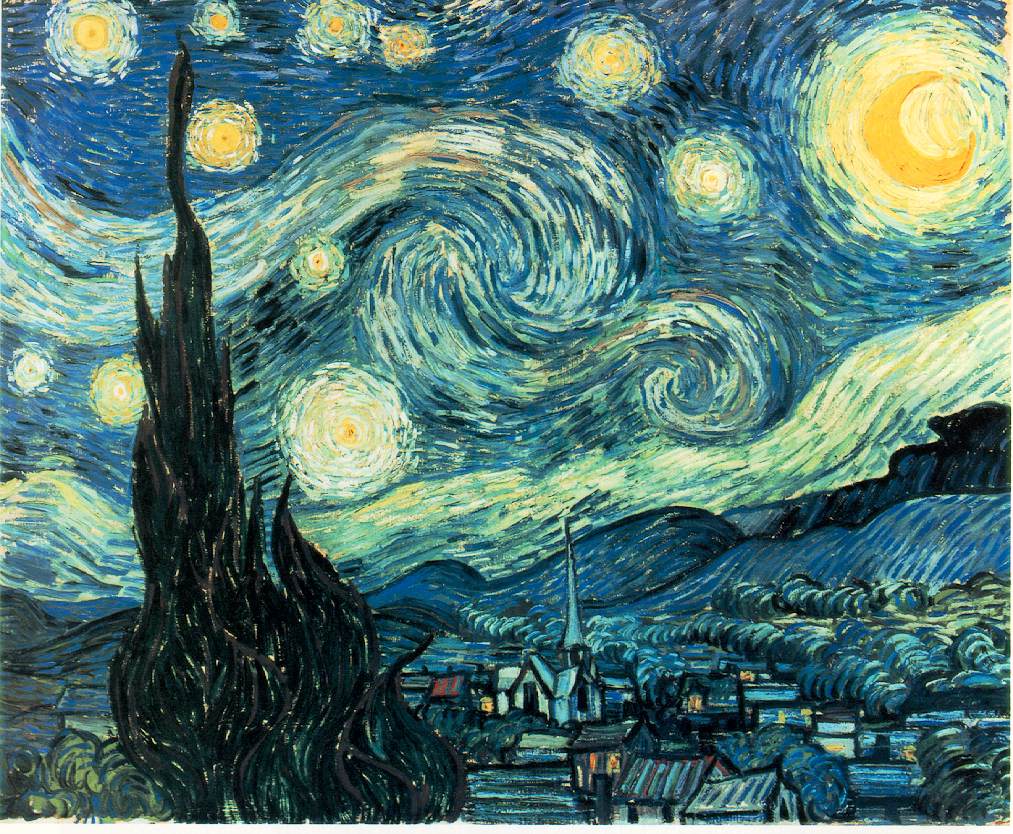
afterwards, they find a variation on Vincent Van Gogh's "Starry Night":
This one's not famous, but there IS actually a painting entitled "Sleeping Chicken", which you can find here.
Davis Davisdavis is based on a real-life art supplies dealer, Herman Hermann that Dan'l P. knew during his college and postcollege days, about whom he did another NPR commentary.
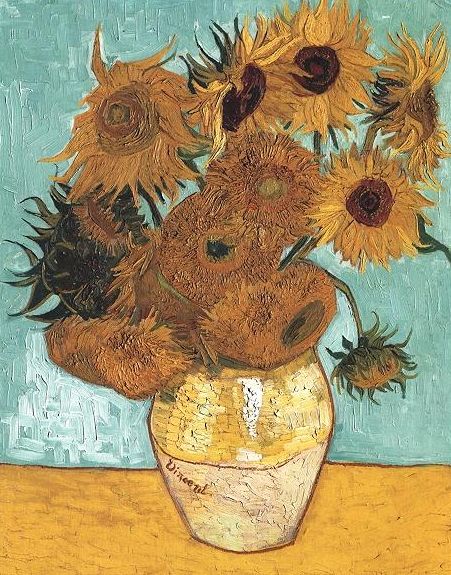
Also, one of Van Gogh's "Sunflowers" paintings (I've picked one at random to show you here):
Tesev Noskecnil Park is anagrammed from one of Mr. Pinkwater's friends, whose name appeared in its original form in The Magic Moscow trilogy of books.
In The Frick Museum, Henrietta is mistaken for famous art-loving nun Sister Wendy.
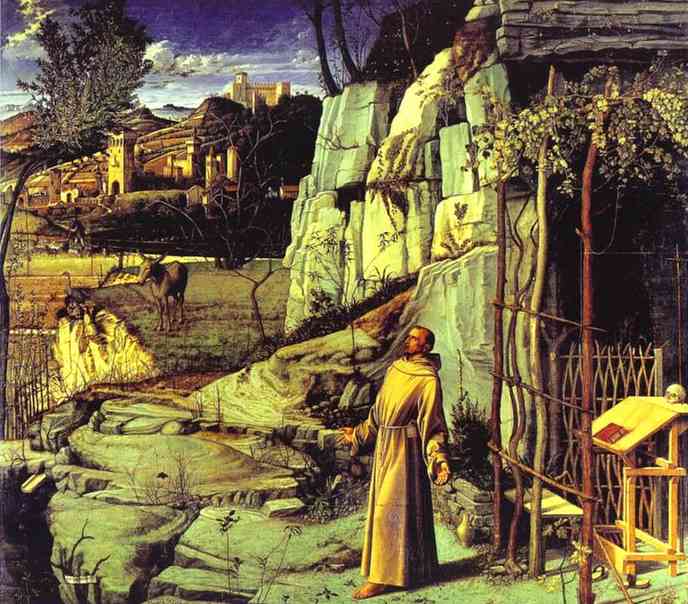
Giovanni Bellini's "Saint Francis In The Wilderness":
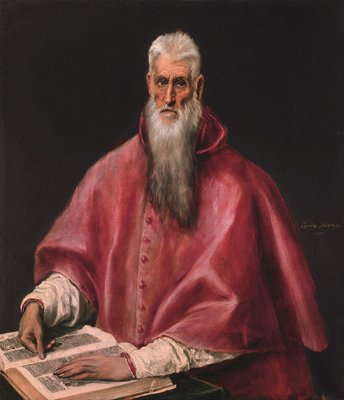
El Greco's "Saint Jerome":
Hilangully Ryder is the grandson of Albert Pinkham Ryder, who also provides the book's opening quotation. Hilangully takes his name from a traditional Jamaican song, which was quoted in the lyrics to Harry Belafonte's "Day-O (The Banana Boat Song)".
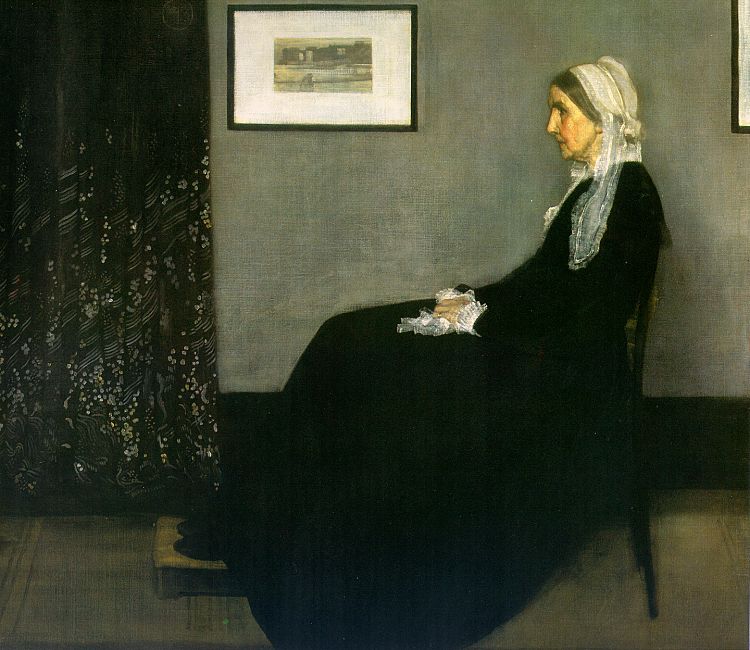
James McNeil Whistler's "Arrangement in Grey and Black: Portrait of the Painter's Mother":
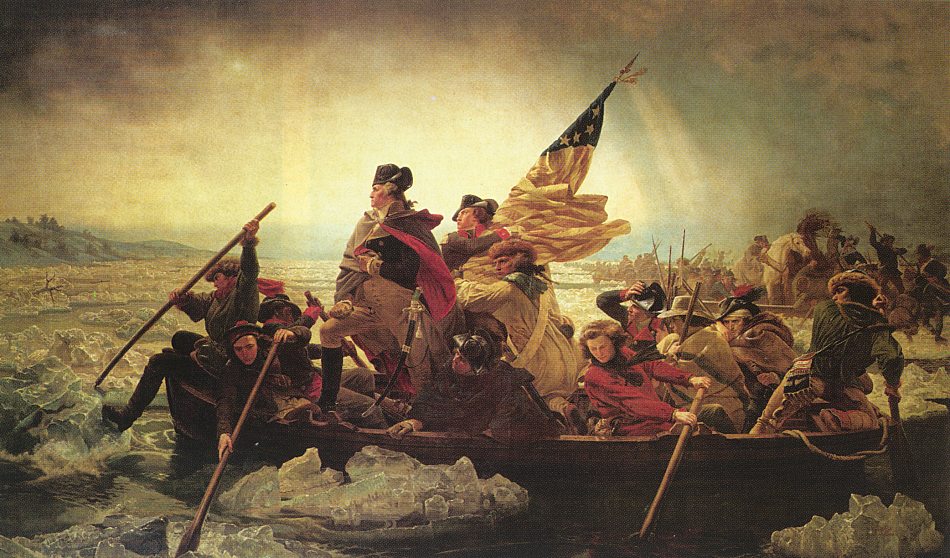
Emanuel Gottlieb Leutze's "George Washington Crossing The Delaware":
The Ugly Bug Blues-and-Klezmer Band has appeared before in Pinkwater novels. There's a real-life band which borrowed the name.
At the beginning of chapter 37, Nick makes a knowing joke. "Koo koo ka choo" is a quote from The Beatles song "I Am The Walrus" (which John Lennon kind of borrowed from James Joyce's Finnegans Wake) . Now go look at the last sentence of chapter 36.
And finally, Sean Vergessen, who owns the hardware store, is named after an old joke, which Daniel Pinkwater explains in his VERY interesting Fresh Air interview here. (The Hebrew Sons Of Ireland meeting hall would be an ideal place for all those Sean Vergessens to congregate.)
This one's not famous, but there IS actually a painting entitled "Sleeping Chicken", which you can find here.
Davis Davisdavis is based on a real-life art supplies dealer, Herman Hermann that Dan'l P. knew during his college and postcollege days, about whom he did another NPR commentary.
Also, one of Van Gogh's "Sunflowers" paintings (I've picked one at random to show you here):
Tesev Noskecnil Park is anagrammed from one of Mr. Pinkwater's friends, whose name appeared in its original form in The Magic Moscow trilogy of books.
In The Frick Museum, Henrietta is mistaken for famous art-loving nun Sister Wendy.
Giovanni Bellini's "Saint Francis In The Wilderness":
El Greco's "Saint Jerome":
Hilangully Ryder is the grandson of Albert Pinkham Ryder, who also provides the book's opening quotation. Hilangully takes his name from a traditional Jamaican song, which was quoted in the lyrics to Harry Belafonte's "Day-O (The Banana Boat Song)".
James McNeil Whistler's "Arrangement in Grey and Black: Portrait of the Painter's Mother":
Emanuel Gottlieb Leutze's "George Washington Crossing The Delaware":
The Ugly Bug Blues-and-Klezmer Band has appeared before in Pinkwater novels. There's a real-life band which borrowed the name.
At the beginning of chapter 37, Nick makes a knowing joke. "Koo koo ka choo" is a quote from The Beatles song "I Am The Walrus" (which John Lennon kind of borrowed from James Joyce's Finnegans Wake) . Now go look at the last sentence of chapter 36.
And finally, Sean Vergessen, who owns the hardware store, is named after an old joke, which Daniel Pinkwater explains in his VERY interesting Fresh Air interview here. (The Hebrew Sons Of Ireland meeting hall would be an ideal place for all those Sean Vergessens to congregate.)
Questions?
Comments? Additions or Corrections?
misterplug @ yahoo . com
misterplug @ yahoo . com