Ancient Egyptian Magick - Heka Although most ancient Egyptians used magick in some form or another, the most respected users of Egyptian magick were lector priests, as they were seen as the guardians of a secret knowledge given to them by the gods. They, unlike most, could read the books of magick. Amulets and jewels were other sources of magick in ancient Egypt. Worn under the clothing or tied around the neck, they were used as sources of protection from demons and evil spirits. Only a small percentage of Egyptians could read, so private and family collections of spells were handed down within generations. Protective spells written on papyrus were often folded up and worn on the body. A spell usually consisted of two parts: the words and verses to be read, and the actions that the person were to take. In order for the spell to be effective, all words had to be pronounced correctly. Sometimes, a potion was used along with a spell. These potions often contained strange substances (that no one would even think about drinking today).
Horus eye-an amulet of protection
Ankh-the egyptian sign of life
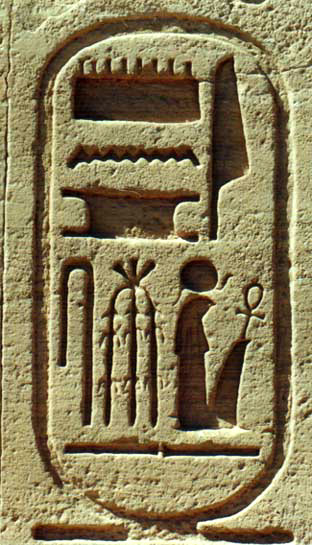
Cartouche-the name-keeper
In ancient Egyptian myths, Heka was one of the forces that was used to create the world. Priests were the main practitioners of heka in Pharoanic Egypt, where they were seen as guardians of a secret knowledge given to the gods to humanity. They performed magical rituals to protect their kings, and to help the dead live again in the afterlife. Dawn was the best time to perform magic, due to the rising sun, and the performer had to be in a state of ritual purity. This might have involved abstaining from sex before the rite, and avoid contact with people who may have been "polluted", such as embalmers and menstruating women. The magician would then bathe and dress in new or clean clothes before beginning a spell. Magic was not really used as medical treatment but rather as "alternative therapy". The spells that were used in these cases were directed at the supernatural beings that were said to have caused the illness. Since demons were thought to be attracted by foul things, attempts were sometimes made to lure them out of the patient's body with dung and other repulsive substances which shall go unnamed. Another technique was for the doctor to draw images of gods on the patient's skin. The patient then licked them off, to absorb their healing power.