I went to Tom Bass airfield and fortunately met a very nice person, and his name is James Lee. James has more than thirty years of experience in flying RC helicopter. Everything that I got myself confused from many forums was completely clear after chatting with James. Here are a few things that I remember.
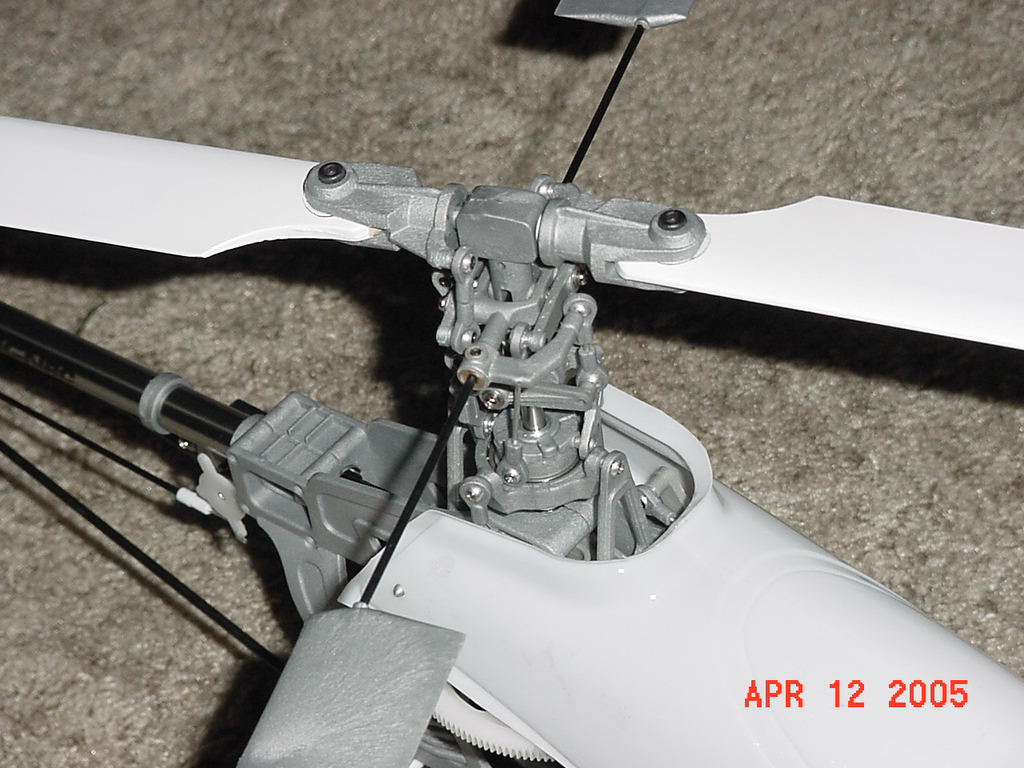
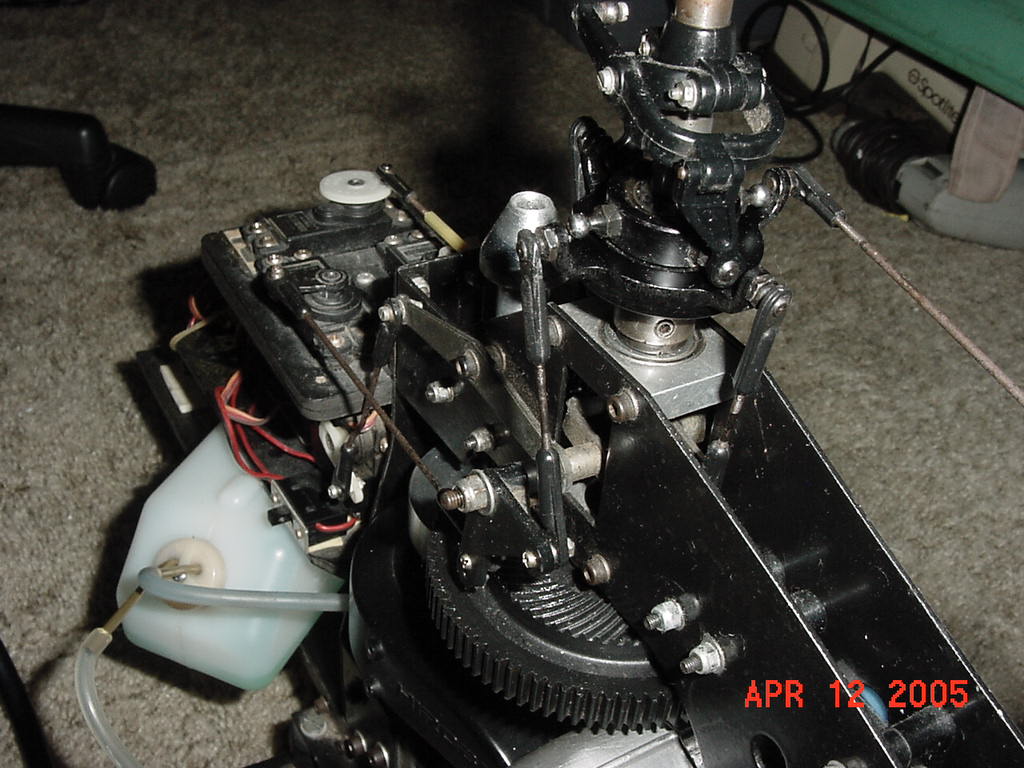
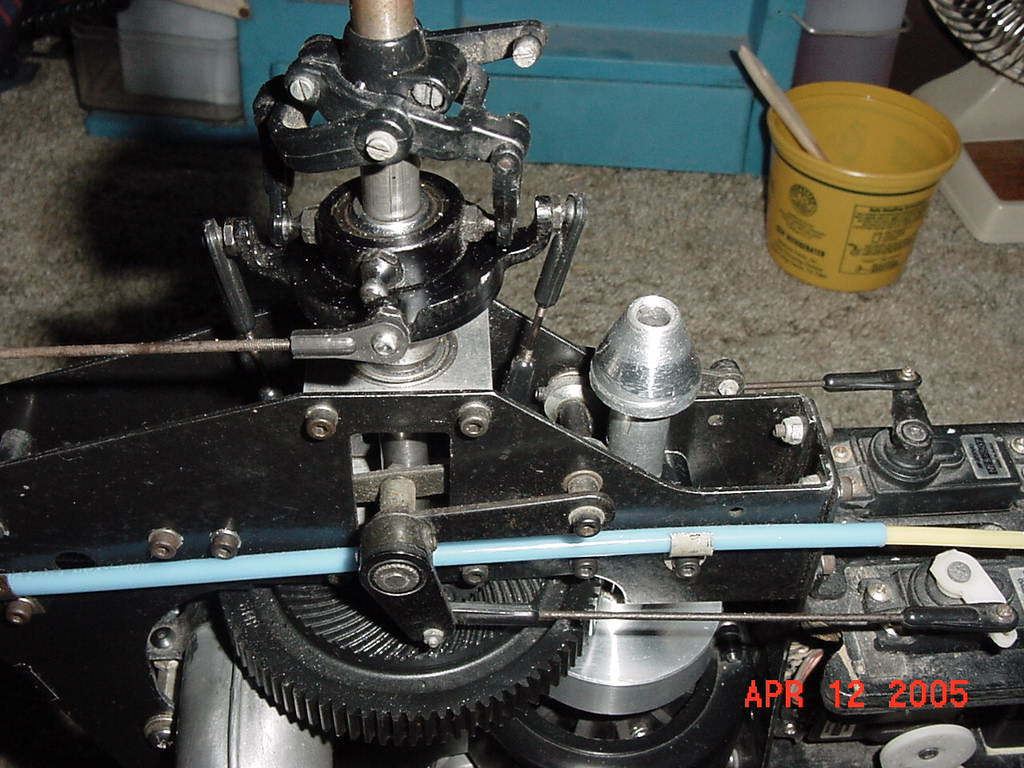
- Zero trim servos: you must use your mechanical linkages to set your helicopter to level and avoid using digital trim on your computerized remote. If servo offsets from its center point, the servo will draw an extra current to make its offset, and this extra current can be avoided by trimming linkages mechanically.
- Auto rotation: when the helicopter's engine dies, it is not the end of its life. You can bring it down safely by doing auto rotation. There are several ways to do autorotation, but the way James told me is very easy way to do. Do not panic when the motor certainly stops while the helicopter is in the middle of the air. The inertia of the main blade keeps it continues to spin. However, instead of forcing air down stream to lift the helicopter up, you need to let the air going through the main blade, and this can be done by add a little negative pitch (-3 to -4 degrees) to the main blade. This would keep the main blade to rotate as it has power. The altitude of the helicopter will quickly drop. At about 20 feet above the ground, add positive pitch to the main blade, and this would force air down and this creates an air cushion for the helicopter to land safely. More than that, instead of allowing the helicopter going straight down, a little forward cyclic should allow the helicopter glide down as a gyrocopter.
Thank you, James, for your valuable information, and more information will be post when I have chance to talk to James.