Obedience
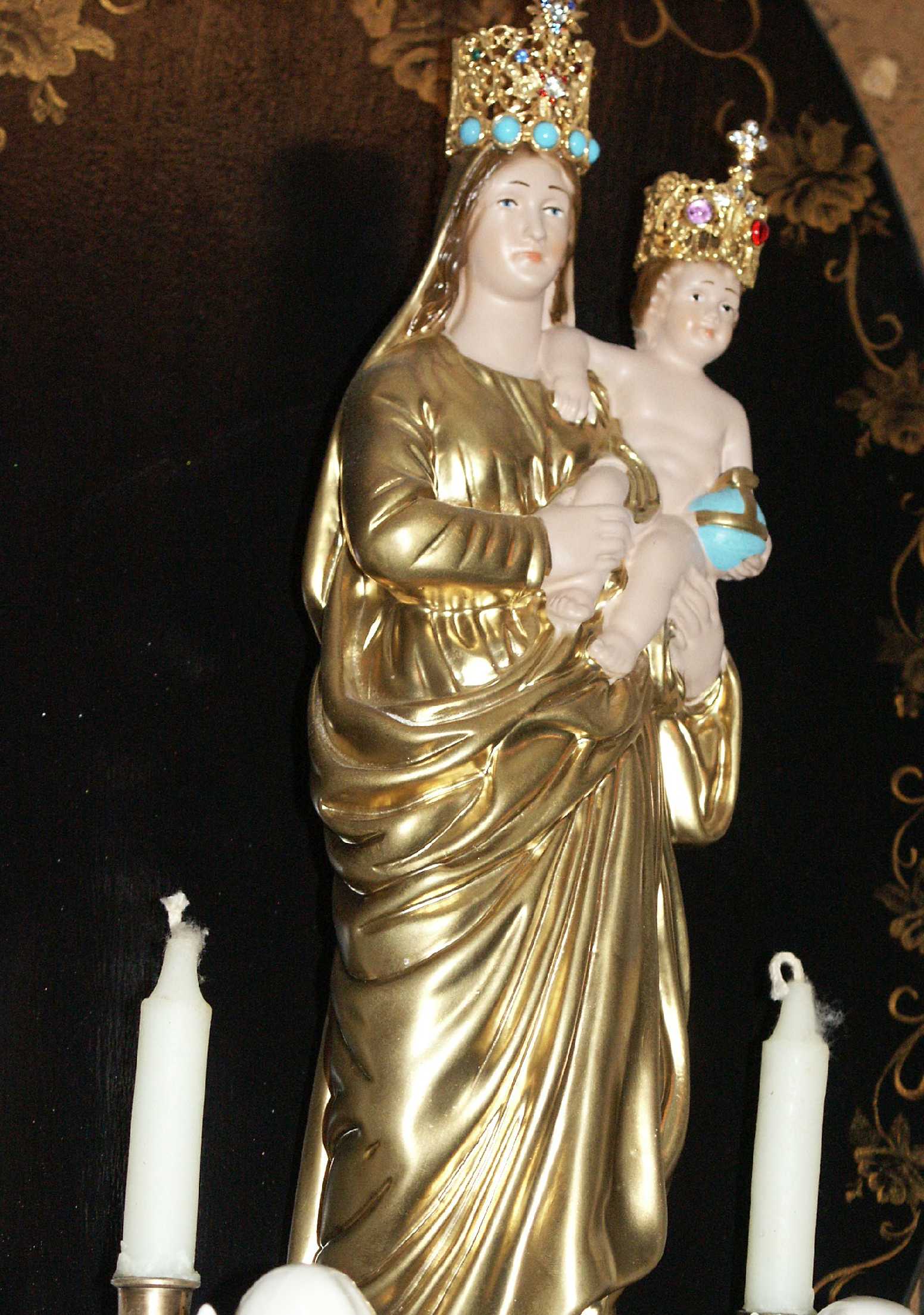
Obedience is defined by Webster as "Being submissive to the control or authority
of another; State of being obedient.
Obedience as one of the 12 Virtues Being obedient to God is the first and foremost
act in submission to doing His will. This is reflected in being obedient to one's parents as well as
in the natural order of being obedient to your laws and your employer. Again reflected in the obedience
of a pupil to the teacher. In the super natural order it is reflected in the obedience to the church in
which is our salvation. Odedience to ones superior, to one's bishop, and to ones Pope.
Obedience imposes obligations of those in command and who direct and guide. There can be right
or wrong use of authority, there can be abused power which can be a detriment to the subject. These
examples carry severe punishment in which authority is abused.
Peter 1: 22 "Having purified your soul by your odedience to the truth for
a sincere love of the breathern, love one another earnestly from the heart".
Obedience is, according to St Thomas Aquinas, is a secondary virtue, as it may also be a vice,
depending opon the object to which it is directed. Obedience to evil is not a virtue. Obedience
to the New Order religion is surely a vice,as it goes against both fonts of the Deposit of Faith:
Sacred Scriptures and Sacred Tradition.
Faith is not based upon on Obedience, but upon grace, reason, and will.
Obedience to the Pope According to Vatican I dogmatically states that the Pope has no
athority to teach "novam doctrinam" ( new doctrine), but must religiously guard "traditiam per apostolos
revelationem seu fidei depostitum" (revelations transmitted through the Apostles, or the Deposut of Faith).
This is called Apostolic Tradition.
Obedience to the 10 Commandments Being odedience to the Commandments is the will of God.
Any disobedience to these laws given to us by God will cause grave sin and can condemn one's soul.
Obedience to the Bishop In certain cases where the bishop does not follow the request of the
Holy Father as in the case of allowance of the Traditional Mass as stated in Motu Proprio "Ecclesiae Dei"
in liberal application, then you should be obedient to the Holy Father and can attend any recognized
Traditionl Mass such as the Society of Pius X. (CFN - Jul 2003)
Example of self communication: Pope John Paul II Strongly disapproved of the practice
personally and in the German tour in Nov. 1980 stated Even though there was a letter of special
permission for Communion in the hand, He (JPII) was not in favor and would not recommend it.
Here is another point where if you are obedience to the Bishop, you are disobedient to the Holy Father.
(also obedience to the devil because it profanes the body of Christ)
Obedience to Council of Trent: Is listed as the Document of Catholic Dogma by Vatican I as
well as Vatican II. Anything found in these document should be adhered to according to our Faith and in
accordance with the Apostolic Tradition. (Traditional Roots)
Obedience to Vatican I Dogmatic Council assembled undr Pope Pius IX, Called by order of
Bull "Aeterni Patris" 29 June 1868. Ended 20 Oct 1870. One of the main principals is the Definition of
Infallibity of the Pope. This document is dogmatic and should be followed.
Obedience to Vatican II Pastorial Council Called by Pope John XXIII on Oct 11, 1962 and
Completed by Pope John Paul II on Nov 18, 1965. The only part of Vatican listed as dogmatic is the
document "Dei Verbum". (Dogmatic Constitution on Divine Revelation) The document starts with the
statement " In the footsteps of the Council of Trent and Vatican I". Para 5 Quotes St. Paul and "obedience
of faith" (Rom. 13:26 see 1:5; 2 Cor. 10:5-6)is to be given to God...etc. Actually when you look at the scriptual
references it is stated that "obedience is to Christ, being ready to punish every disobedience, when your
obedience is complete. This document need only be observed when not in conflict with any documents
in any of the dogmatic councils. The Pope has not spoken "ex-cathadra" in reference to this document.
Home