
Whatever happened to the Reynolds Girls? No-one knows, but click HERE!
Click here for the Penguin, a Fleetwood Mac fansite
Click here for the band's own website.

|
|
|
|
|
|
|
|
|
|
|
|
|
|
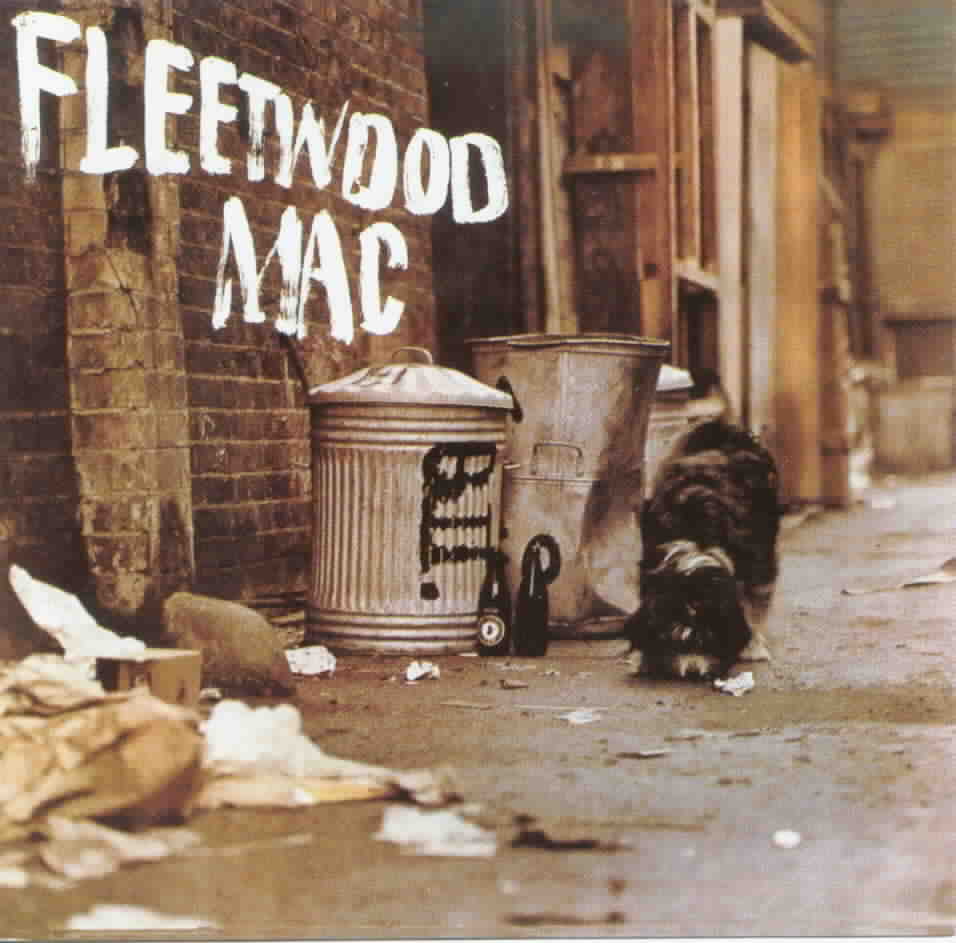
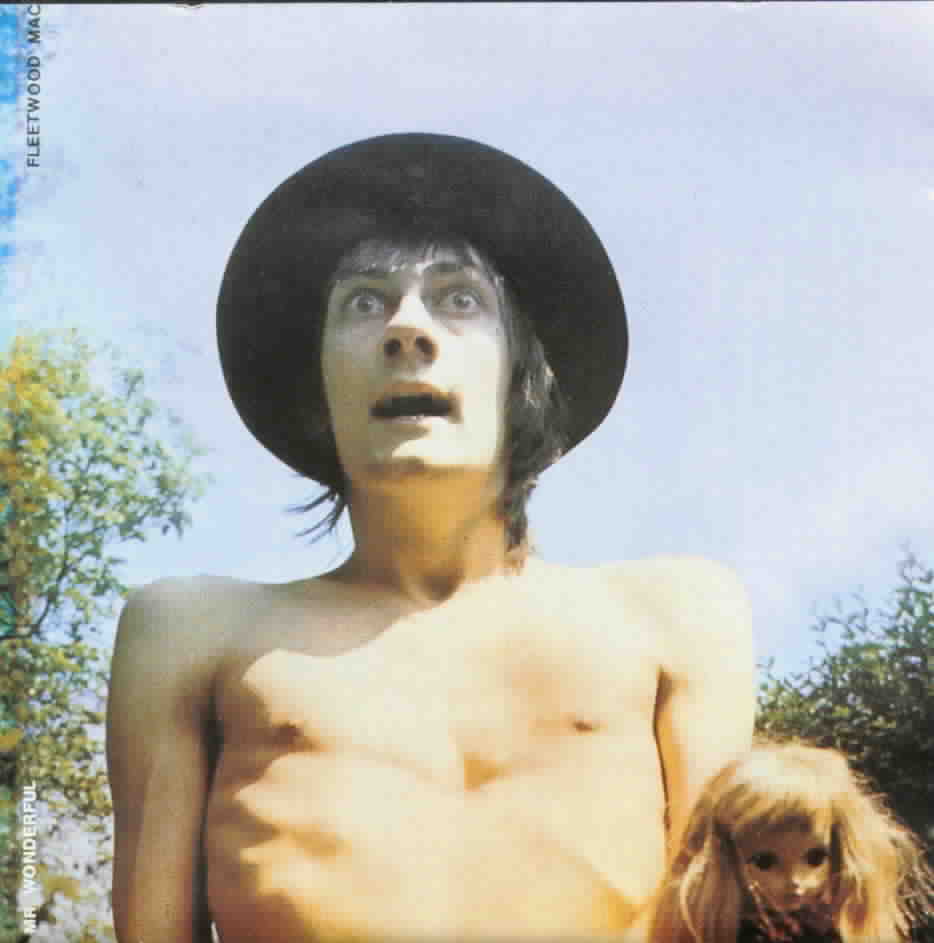
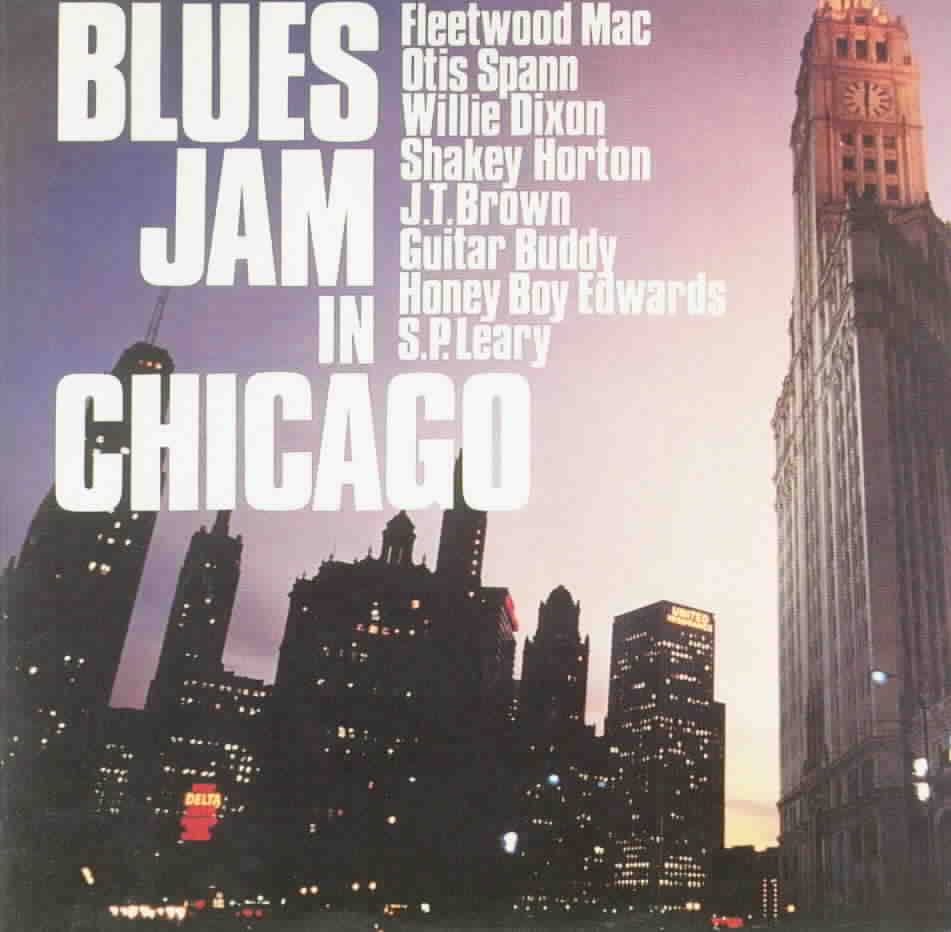
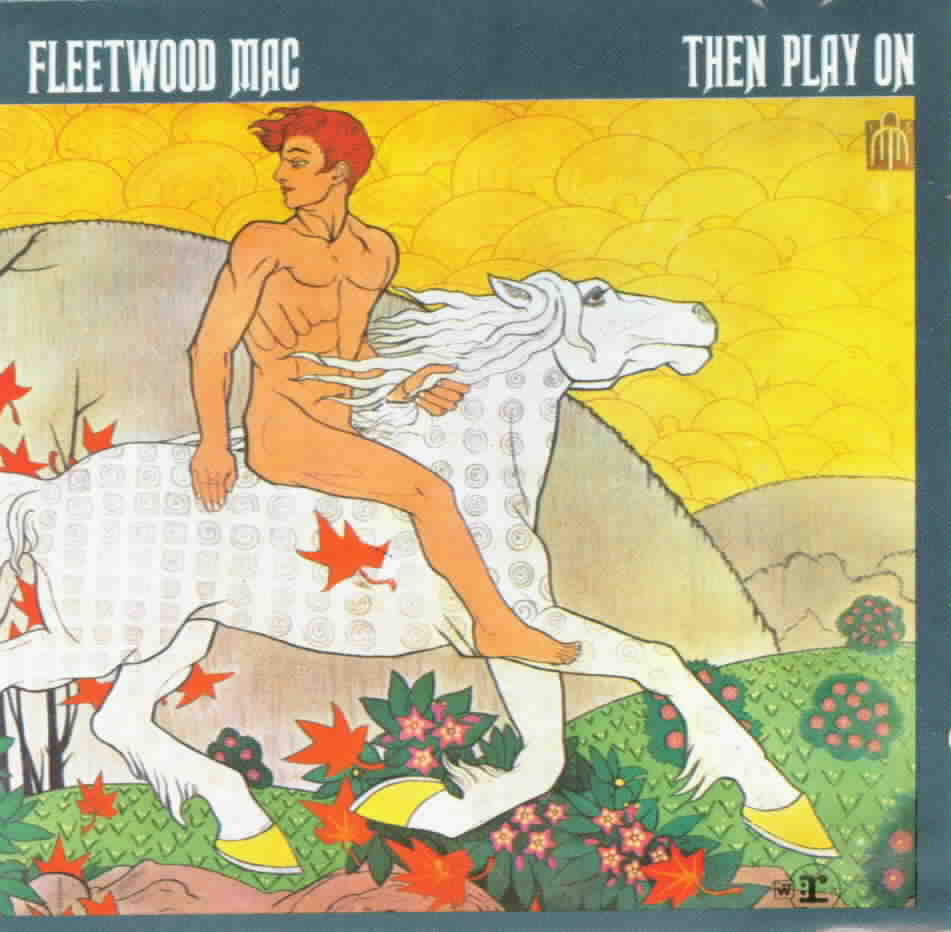
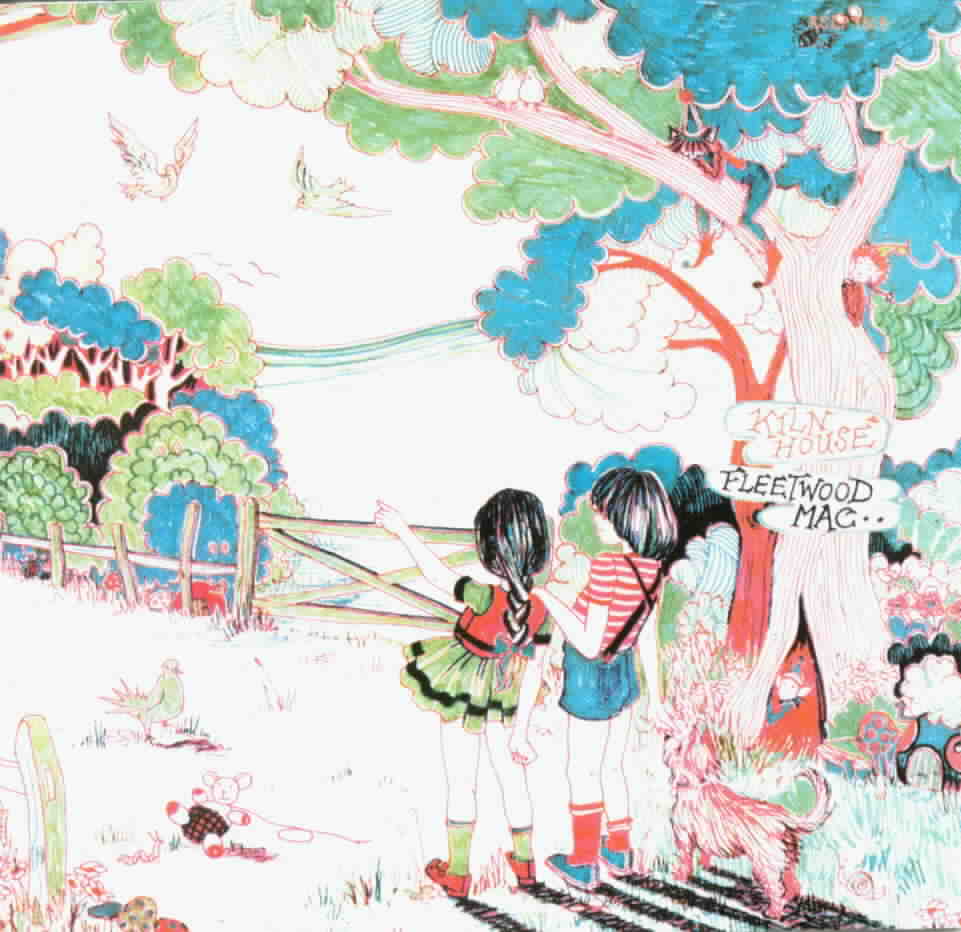
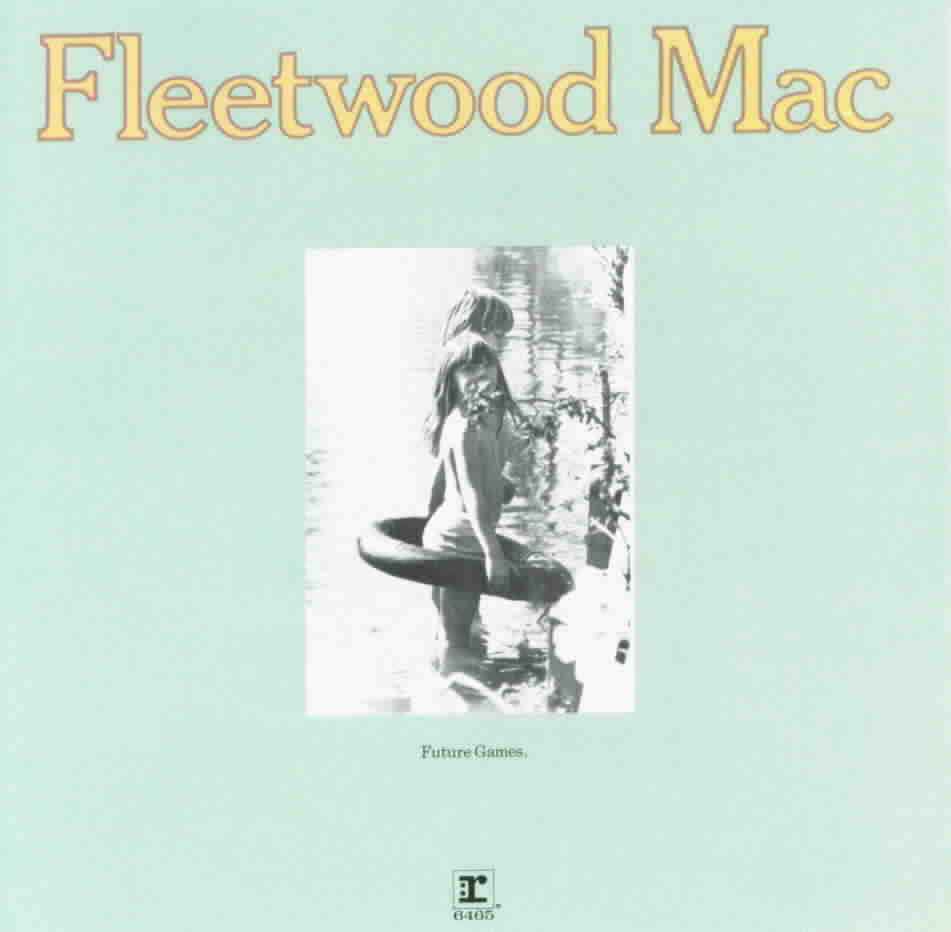
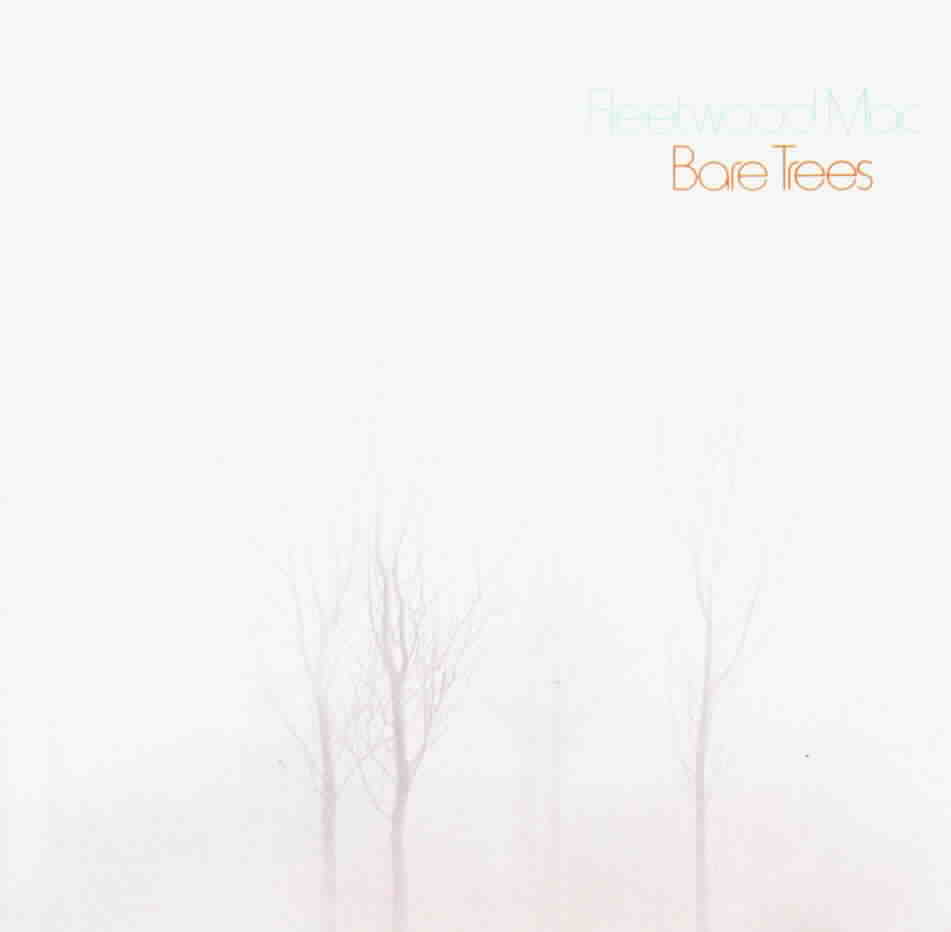
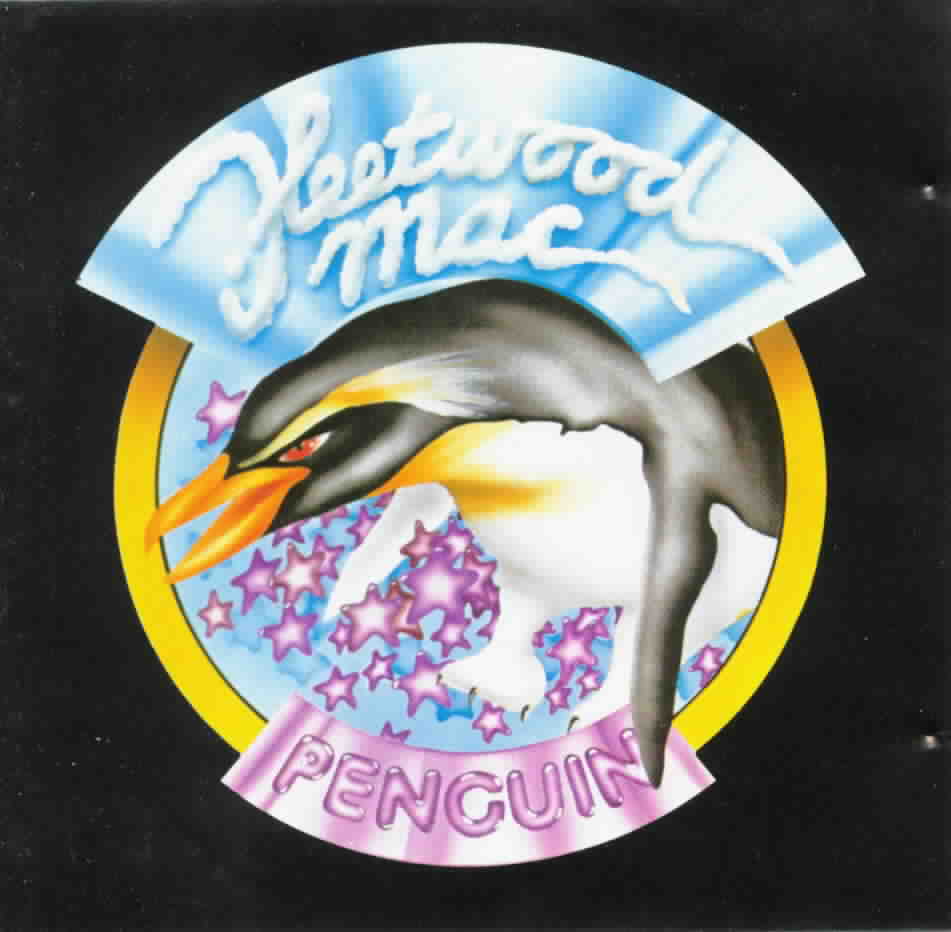
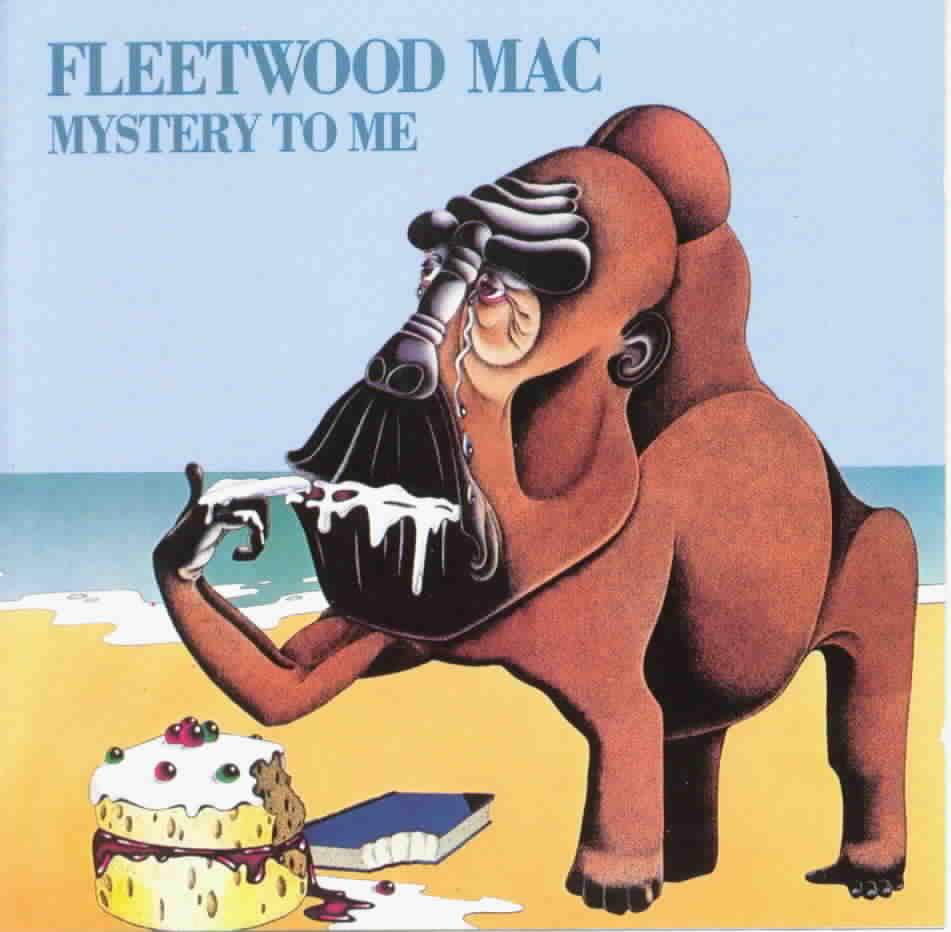
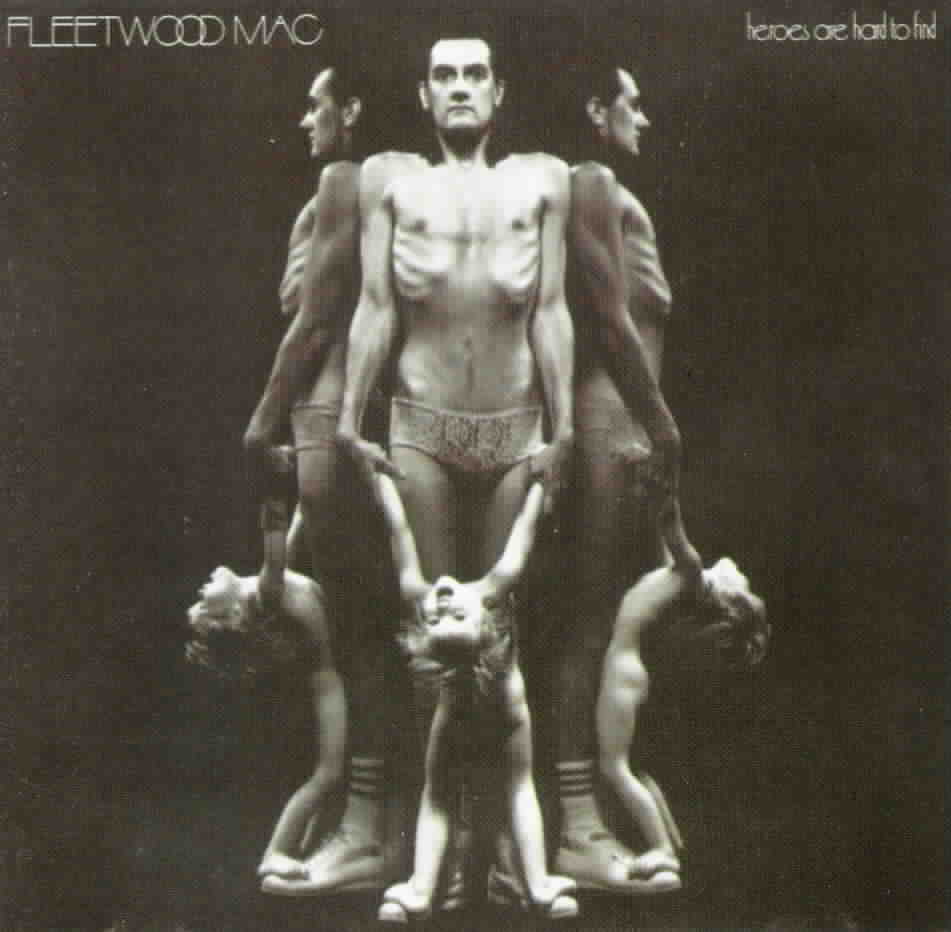
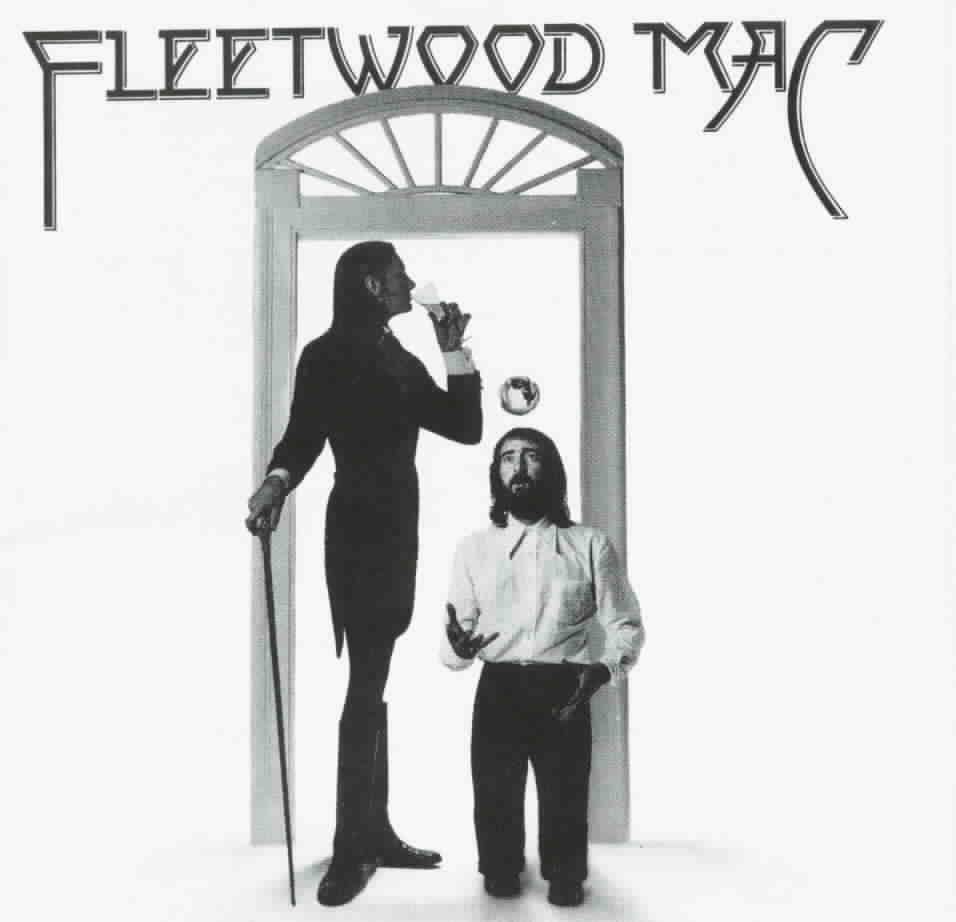
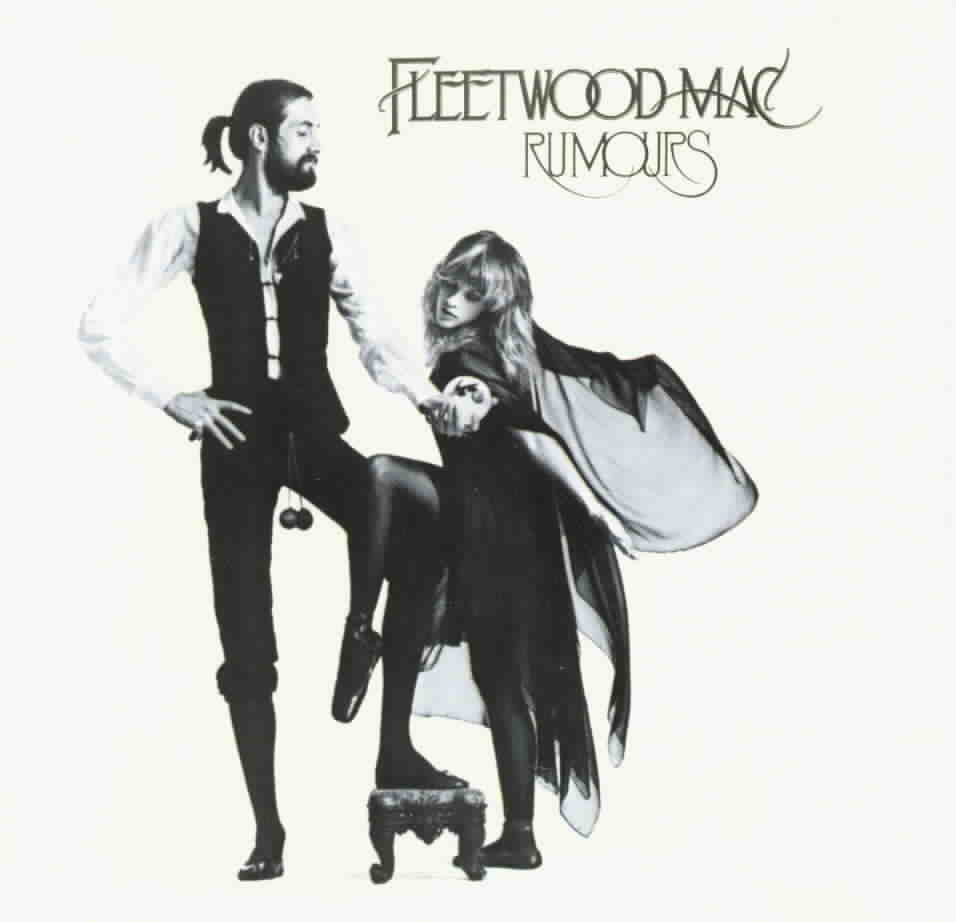
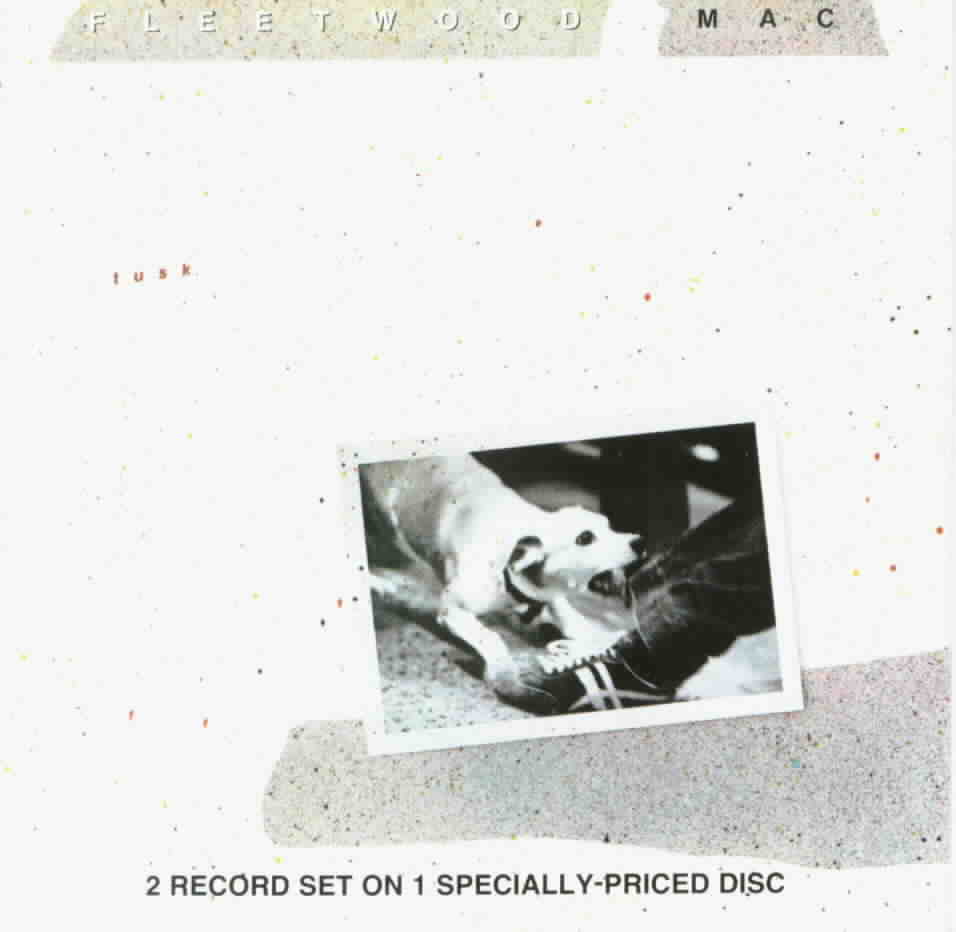
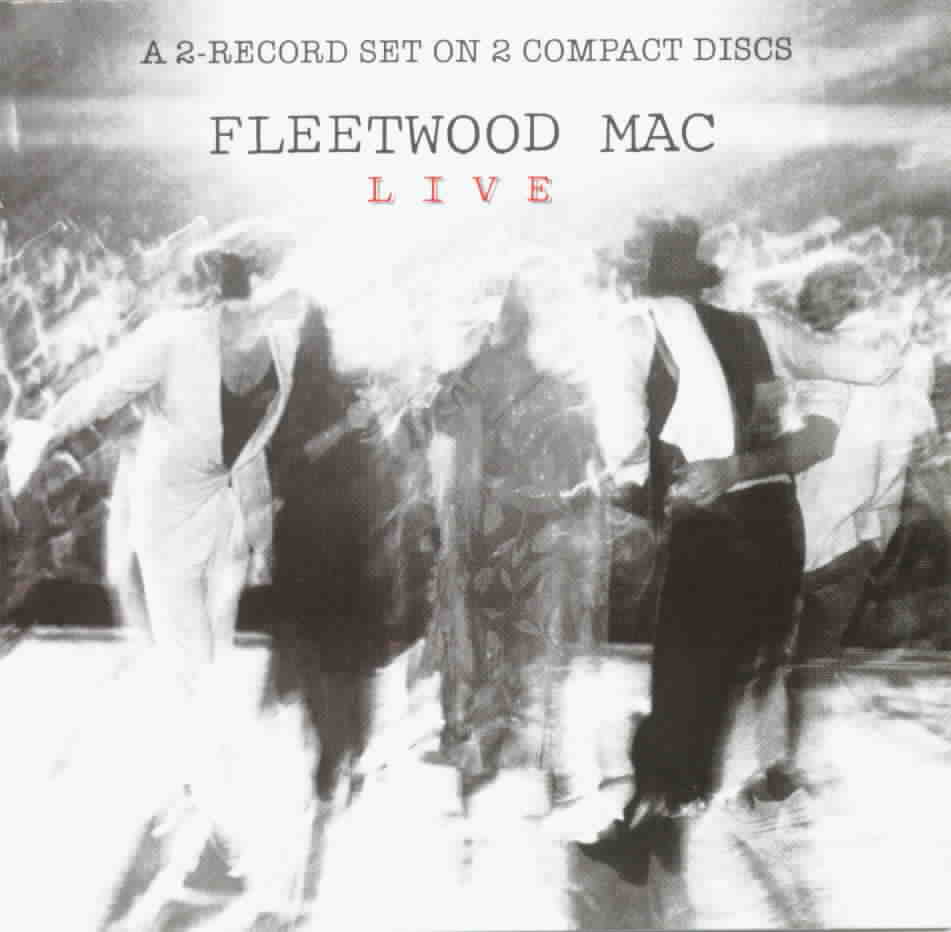
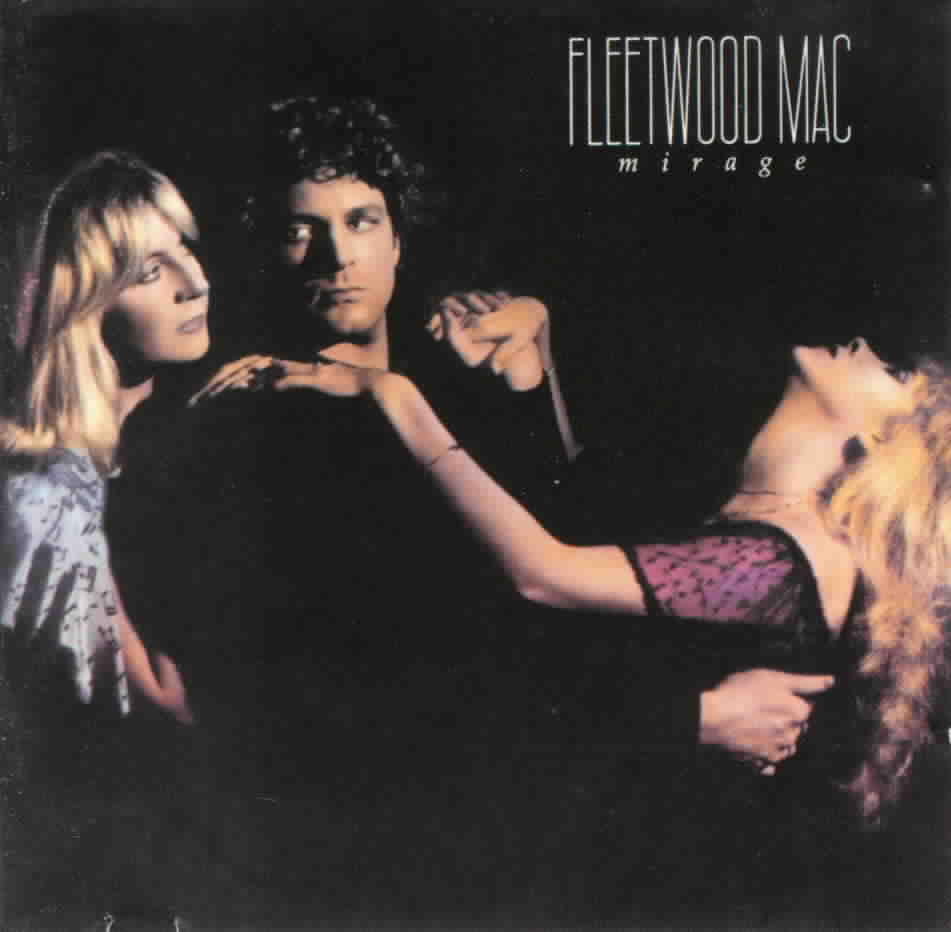
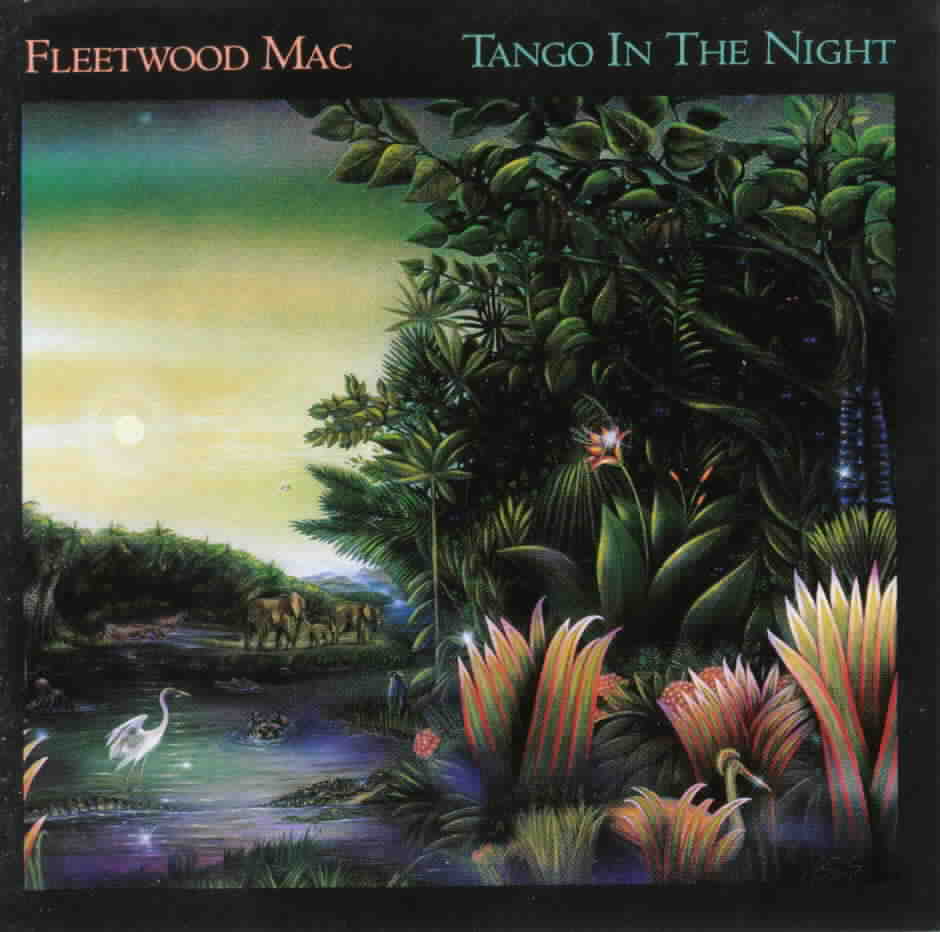
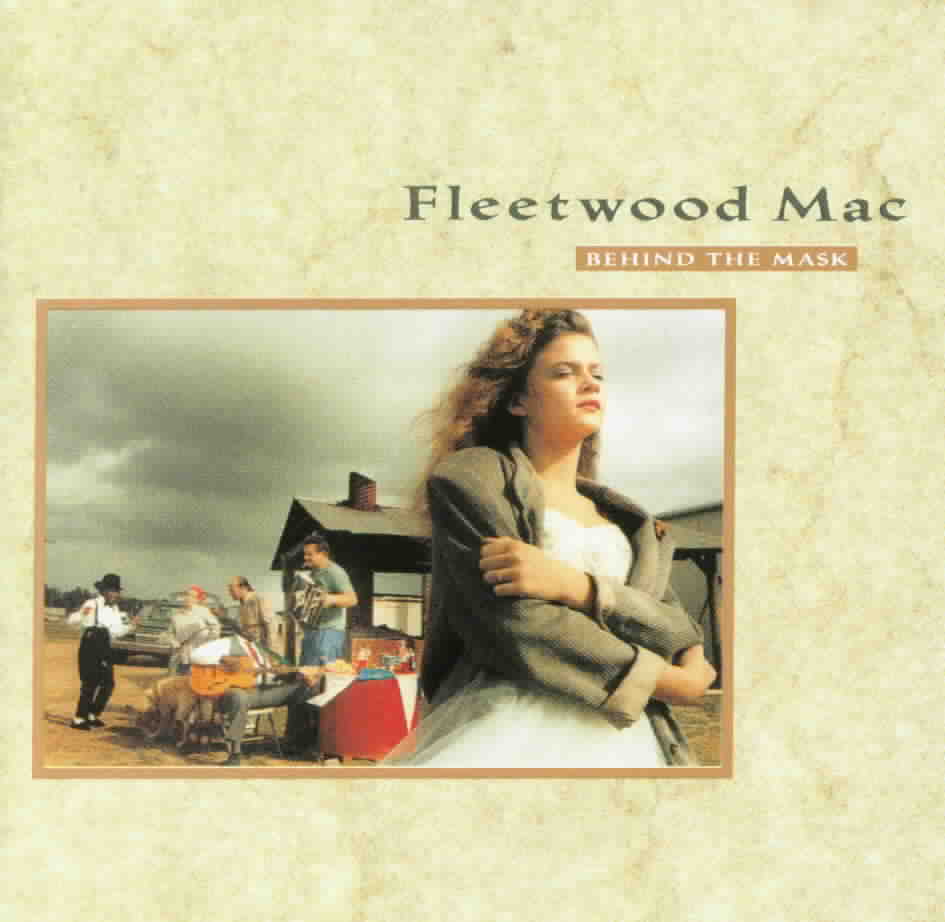
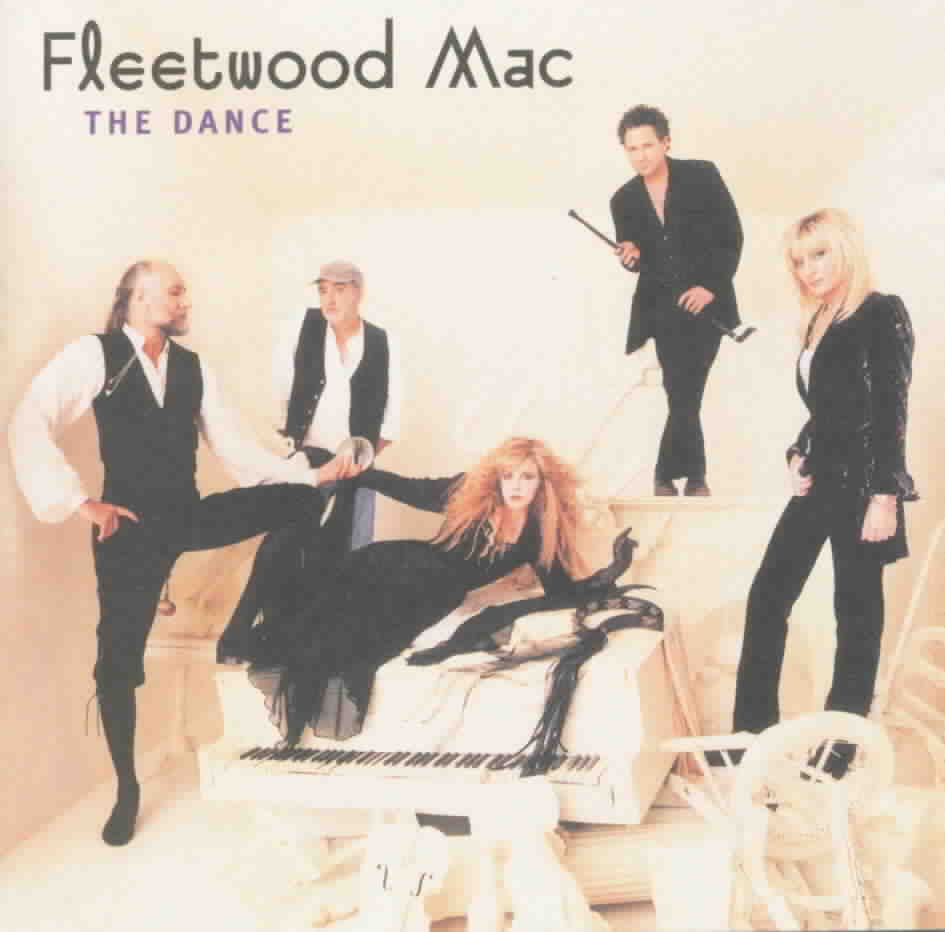
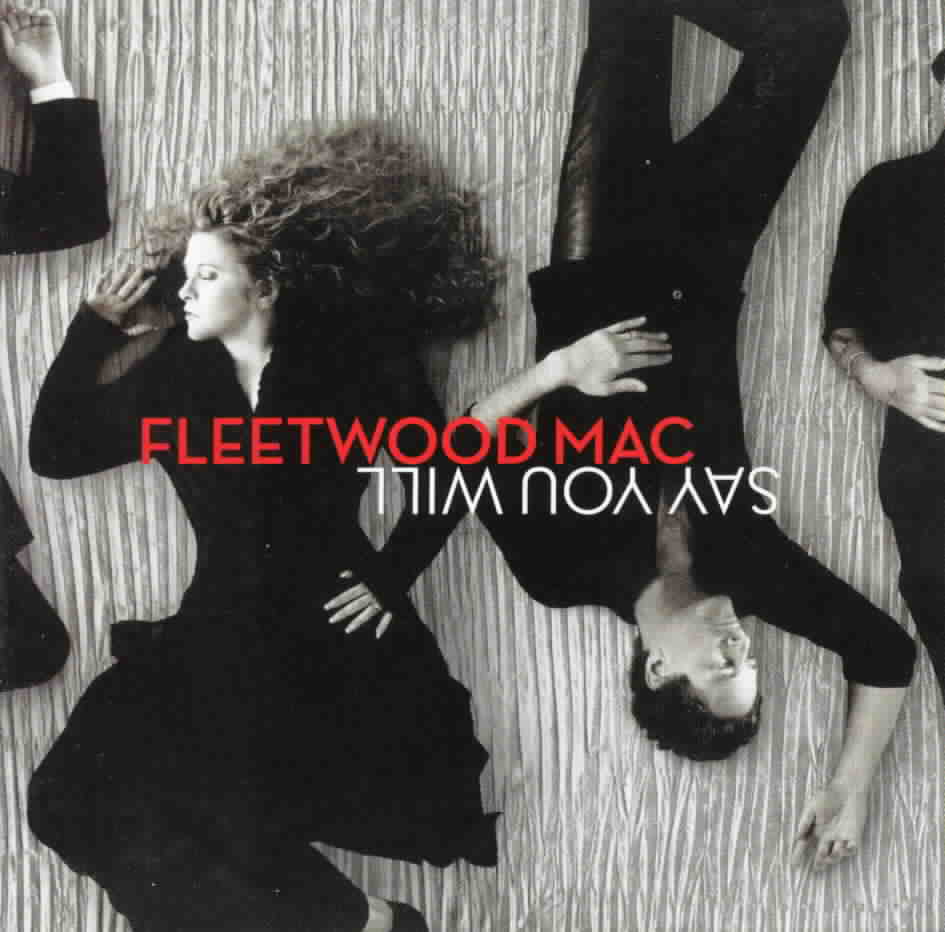
| click on an album for reviews and sound clips from Amazon.com | The origins of Fleetwood Mac lie in the British blues boom of the late 1960s. Peter Green had replaced Eric Clapton in John Mayall's Bluesbreakers, and went on to form his own band with Jeremy Spencer, an Elmore James fanatic, and drummer Mick Fleetwood with whom he had played briefly in Bluesbreakers and earlier in The Peter B's with Peter Bardens. John McVie, another of John Mayall's cohorts couldn't be persuaded to join, so Bob Brunning , a trainee English teacher was recruited as a stopgap bassist. Nonetheless, Green named the group after his favourite rhythm section, even though the "Mac" remained outside the band until he joined in Autumn 1967. Together they cut an eponymous album of Blues originals and covers which established what was initially known as Peter Green's Fleetwood Mac as one of the most successful acts of 1968. Mr Wonderful followed soon after, with additional piano work fromChristine Perfect, McVie's future wife. Love that Burns is one of the finest tracks on this album, but repeated Elmore James tributes from Spencer can prove a little irksome at times. Following this album, another vocalist/ guitarist, Danny Kirwan was recruited, and whilst this first three-headed quintet did record Blues Jam in Chicago with some local Blues greats, Green was moving the band further away from the blues- the ethereal Albatross reaching no 1 in the UK was indicative of this, as was the incredible sadness of Man of the World, another hit single. On the 1969 album Then Play On, which did not feature Spencer in any meaningful way, Green played just about every instrument on the 9-minute epic Oh Well, and evidence of his declining mental state abounded in the anguished lyrics of Closing My Eyes. Danny Kirwan also provided fine evidence of his talents in Although the Sun is Shining, and in providing the perfect foil to Green's guitaar work. Green, however, became more and more disillusioned with the music business, suffered a bad reaction to LSD, and wanted Fleetwood Mac to give all its money away. Finally, in May 1970, he left with the anguished, almost painful cries of The Green Manalishi (with the two pronged crown) "busting in on my dreams, making me do things I don't want to do" as his final single. The remaining quartet recorded Kiln House (1970), using uncredited backing vocals by Christine McVie, who formally joined the band shortly afterwards. Kiln House is a quixotic mix of an album, reflecting the loss of its leader, including as it did Buddy Holly and Elvis Presley impersonations from Spencer, who then left the band, abruptly to join the Children of God sect whilst on tour in California. Peter Green flew out to help the remaining foursome complete the tour, but insisted on calling himself "Peter Blue" and the set consisted of endless james based on Black Magic Woman. Bob Welch, a Californian, then became Spencer's permanent replacement, and then began what would become a transitional period as the band's musical style evolved and developed, finding a following on America's West Coast whilst UK fans deserted them as a "blues band gone bad". Future Games of 1971 has a spacey feel to it- Christine McVie produces the beautiful Show me a Smile, a couple of Kirwan's tracks, including Woman of 1000 Years have a folky influence, and Welch's title track is impressive. Progress was consolidated on 1972's Bare Trees, particularly with Christine's contry-tinged Spare Me A Little of Your Love, Welch's Sentimental Lady , and some solid contributions from Kirwan, who nonetheless was fired from the group shortly after the release of the album when he refused to go on stage. Bare Trees went gold in the USA, but again the group had lost another guitarist, and the last link with the Peter Green-era front line. Dave Walker of Savoy Brown was then recruited as a singing-only frontman, together with guitarist Bob Weston. Penguin, the resulting album from the sextet was something of a weak effort, although Christine's Did You Ever Love Me with steel drums for accompaniament is worth a listen, as is Weston's near-instrumental Caught in the Rain. Peter Green even makes an uncredited cameo appearance on Night Watch, but this line-up is doomed: Dave Walker is fired for not really fitting in (he briefly becomes lead singer of Black Sabbath!).Next up, Mystery to Me (1973), a huge improvement on the previous album which included perhaps the best song Bob Welch contributed to the band, Hypnotised, a dreamy number exactly evocative of its title which presages some of Stevie Nicks'more mystical musings, and Christine McVie's gorgeous Why, featuring some excellent guitar arrangement from Weston. Bob Weston, however was the cause of the band's near-breakup due to his affair with Fleetwood's wife..Weston was fired, a tour cancelled, and the band's manager sent out a bogus Fleetwood Mac with none of the existing members in its lineup. Fleetwood was accused of double-dealing with the manager, but after much legal hokey-pokey, the remaining quartet, relocated to California recorded the somewhat accurately named Heroes are Hard to Find,(1974) which relied perhaps a little too much on Welch, who then quit, burnt out and generally fed up. Enter duo and couple Lindsey Buckingham and Stevie Nicks, who Fleetwood bumped into whilst checking out a recording studio. Their own, now much sought after Buckingham Nicks album having failed to take off, they were invited to join the rejuvenated remaining threesome, recording a second eponymous album, (1975) and touring heavily to promote it. The catchy melodies, and fine harmonies of songs such as Over My Head, Say You Love Me and Nicks' ode to a Welsh witch, Rhiannon, helped send Fleetwood Mac to the top of the US charts, but it was Rumours (1977) which propelled the band into sales of 20 million. Something of a song-cycle, Rumours was a musical commentary on the break-up of the the Nicks-Buckingham and McVie relationships. Often loved, and often equally despised, it can't be denied that each song (with the possible exception of I don't want to know) is a perfectly crafted piece of work, with an emotional intensity that never falls into the trap of maudlin self-pity. Needless to say it was with a backdrop of acts like Fleetwood Mac and the Eagles that helped the to-every-action-there-is-an-equal-and-opposite-reaction of punk and New Wave,and perversely, Buckingham became influenced by its rise on Tusk, the schizophrenic double-album follow up to Rumours, part of which was recorded at great cost, and part of which was recorded in Lindsey Buckingham's bathroom, using empty kleenex boxes as percussion....compare and contrast, for example, the Ledge, Save me a Place, the title track (which featured a marching band) and Not that Funny with anything from Rumours and you get the idea. Record company executives were said to be aghast on first hearing the album, which did however feature some sublime tracks from Nicks (Sara, Storms, Beautiful Child for example) and some more straightforward, but nonetheless melodic contributions from Christine McVie (Brown Eyes even features Peter Green in a blink-and-you miss-it guest appearance), but it "only" sold six million copies....A live album was put out in 1980 to modest success, but in a sense, Tusk marked something of a creative end for the band. Most of Buckingham's weirdness was reined in for Mirage (1982), which has been described as something of a self-conscious attempt to recreate the feel of Rumours. Nicks' solo career was taking off, which allowed her an output for more of her songs, but she did contribute the fine Gypsy. Buckingham's Eyes of the World which uses a riff from Pachelbel's (ubiquitous) Canon is perhaps one of the best tracks; Christine McVie's songs are tuneful, but not really memorable. The path to the next album in 1987 was strewn by Fleetwood's bankruptcy, Nicks' cocaine addiction and stay in the Betty Ford clinic and a solo career for Buckingham which didn't really take off. Tango in the Night , however, was a huge commercial success and benefited from Buckingham giving up some tracks from a solo project including the superbly produced Big Love and some finely crafted, if a little empty-headed 80s pop tunes from Christine McVie in the form of Little Lies and the mildly annoying Everywhere. Stevie Nicks, however, was not at her best, and appeared a little musically semi-detached....although not as detached as Buckingham who quit the group when he refused to tour, allegedly calling the rest of the band "a bunch of selfish bastards," and according to Fleetwood, in his not-hugely reliable memoirs, coming close to strangling his former girlfriend. The curse of the departing guitarist had struck again, but the remaining foursome recruited Billy Burnette and Rick Vito for the tour and 1990's Behind the Mask, of which "lacklustre","bland", "washed-out", and"poorly produced" are some of the kinder descriptions which the album, in all fairness, deserved. Christine McVie's moody, slightly dark, title track is the best of the bunch though, which did feature Buckingham fleetingly. The latter's superb solo Out of the Cradle (1992) would be a much more sensible purchase. Fleetwood Mac then disentegrated further, with Nicks "filtering herself out" as John McVie put it, Vito quitting, and Christine McVie opting out of future touring, although she did participate in 1995's Time, ,for which Dave"Hole-in-my-shoe"Mason and Bekka Bramlett, daughter of Delanie and Bonnie, were recruited. It was an eclectic mix, and whilst there are some fine songs on the album, the record label didn't promote it, sales were derisory, the band itself stopped touring before it was released, and Fleetwood's attempt to breathe life into the corpse failed. Time, indeed. Until, that is Nicks, whose solo career was in the doldrums, and Buckingham, whose solo career still wouldn't take off, were coaxed back for a live album The Dance (1997), and a lucrative reunion US tour for the Rumours line-up, until Christine McVie retired, exhausted. The album did contain a great rendition of Nicks' Silver Springs, the track that "got away" from Rumours and a brilliant acoustic version of Big Love. Which brings us to 2003, and Say You Will: their best album for 24 years. Christine McVie appears fleetingly in two or three Buckingham songs that had their genesis in his solo project, but there are some extraordinary tracks here: the mock baroque Red Rover, Nicks' chanting Illume, the angry, yet composed Peacekeeper, the beserk Come, the classic Smile at You. All of this does rather suggest that they'll be around to annoy their detractors for a while yet. Would you really rather jack than Fleetwood Mac? Whatever happened to the Reynolds Girls? No-one knows, but click HERE! Click here for the Penguin, a Fleetwood Mac fansite Click here for the band's own website. |
||||||||||||
|
|||||||||||||
|
|||||||||||||
|
|||||||||||||
|
|||||||||||||
|
|||||||||||||
|
|||||||||||||
|
|||||||||||||
|
|||||||||||||
|
|||||||||||||
|
|||||||||||||
|
|||||||||||||
|
|||||||||||||
|
|||||||||||||
|
|||||||||||||
|
|||||||||||||
|
|||||||||||||
|
|||||||||||||
|
|||||||||||||
|
|||||||||||||
|
|||||||||||||
|
|||||||||||||
| November | |||||||||||||