
Andrew Smith
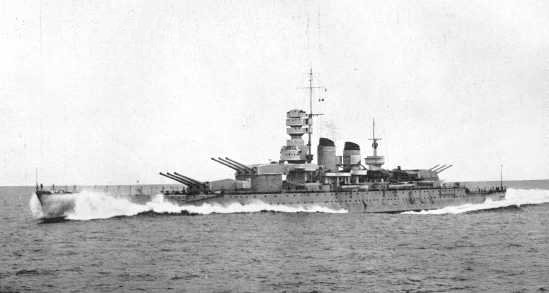
Andrew gave us the background information as to why certain warship types were promoted and others not. The war, according to Mussolini, would not start until the mid forties, ample time to make his preparations. Hitler however had other plans! After Italy joined the war Mussolini was convinced it would only last a few months, and heavy spending on long-term capital ships was not justified. The perceived threat and requirement was for the Army and Air force with the Navy trailing in third place. The planed conversion of the two liners, Augusta and Roma to aircraft carriers was thwarted by the Air force who wouldn�t have a carrier borne aircraft available for some years. However conversion slowly proceeded and became carriers that only flew planes off but did not allow them to return. Taranto and the battle of Matapan gave reason for the Italian fleet to remain in harbour, but by late 1941 fuel stocks for the fleet were running low also. Over 2000 ships were taken up from the merchant marine, mostly small, with about half dedicated to minesweeping duties. Andrew covered submarine development and the miniature submarines and the later conversion of a large number of submarines to specialist cargo carriers. The development of landing craft was also discussed and the requisition of such craft as Venetian waterbuses to army personnel carriers!
We thank Andrew for his hard work in compiling the commentary and creating the slides for his most interesting talk.