A. There are two elements making up the total cost of around �320.
Initial Costs:- To join MSAC, and BSAC is �100, and as a novice diver you need a student work book, dive manual and dive qualification log book, which is �30.
Ongoing Costs:- The actual tution provided by the club is free of charge, but you will need to hire equipment when you are learning, which will typically be around �180-�200, although this sum is spread out over a period of about 12 weeks. Prices are subject to yearly review at our Annual General Meeting, held in January.
A. There are a number of reasons, for example:
a) We are affiliated to BSAC, and as such must conduct training to BSAC standards. When you pass your ocean diver course, you will be registered with BSAC as a qualified diver, and will receive certification, which is recognised worldwide, allowing you to dive anywhere.
b) We require that you have third party insurance to use the pool for diving. As a BSAC member you will receive this automatically.
c) You receive a copy of �BSAC dive� magazine every month. If you took a subscription out as a non-member this would cost you about �33. The magazine will keep you up to date with the world of diving, and features many tips, product reviews and training news.
d) Not only will you be a member of a local diving club, you become a member of a truly world-wide diving club, with which you can dive anywhere, gain more experience and enjoy the fun of diving.
For more information about BSAC click on the BSAC link on the 'links' page.
A. Both organisations will teach you to dive just as well as the other.
The �C� in BSAC stands for club, which means we run on a non-profit making basis. Our instructors are not paid a fee for providing tuition. As a club we see ourselves as a group of like-minded people who have joined together to enjoy, and promote diving as a hobby
The �P� in PADI stands for professional. PADI instructors earn their living by teaching people to dive
The things that both organisations teach are essentially the same, since all divers must be competant and safe when underwater, and the certification provided by both organisations is widely recognised.
A. Not at all. Whether a diving instructor is PADI or BSAC based, he or she will have had to pass very strict tests that both bodies set, before being allowed to teach diving students. In fact many BSAC diving instructors also have PADI qualifications, and vice versa.
A. Initially, you will be learning the basics in the safe confines of Middleton swimming baths! This has a maximum depth of 3metres, which is enough to give you a sense of depth, yet is entirely suitable for absolute beginners.
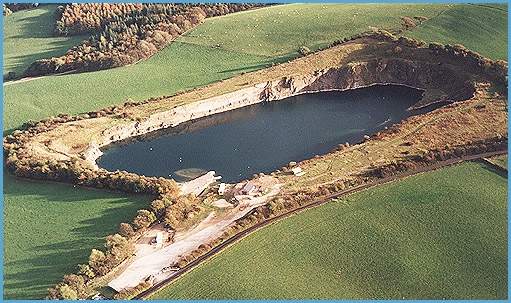
Capernwray is an old quarry, allowed to flood specifically for diving in. It has a maximum depth of around 18 metres, but has many training platforms, at depths of 2metres down to 12metres.
Capernwray also has many other features, such as planes, boats and helicopters, all deliberately sunk for divers to explore.