
Project Management Team Thailand


|
|
|
|
|
|
|
|
|
|
|
|
|
|
|
|
|
|
|
|
|
|
|
|
|
|
|
|
|
|
|
|
|
|
|
|
|
|
|
|
|
|
|
|
|
|
|
|
|
|
|
|
|
|
|
|
|
|
|
|
|
|
|
|
|
|
|
|
|
|
|
|
|
|
|
|
||||||||||||||||||||||||||||||||||||||||||||||||||||||||||||||||||||||||||
| Partnership in Conservation of Forest Genetic Resources | ||||||||||||||||||||||||||||||||||||||||||||||||||||||||||||||||||||||||||
| FORGENMAP Project Management Team Thailand |
||||||||||||||||||||||||||||||||||||||||||||||||||||||||||||||||||||||||||
| Introduction | ||||||||||||||||||||||||||||||||||||||||||||||||||||||||||||||||||||||||||
| Forest genetic resources conservation and management is generally considered to be the responsibility of government agencies since natural forests in the tropics generally are state domain, except where concessions are in operation. | ||||||||||||||||||||||||||||||||||||||||||||||||||||||||||||||||||||||||||
| Where these do exist, concessionaires however rarely consider conservation as part of their obligations yet. In some countries however, e.g. Indonesia, concessionaires are by contract obliged to establish so called germ plasm stands by in-situ conservation of a size and number dependant on the total concession area and time.In some countries the use of natural forests under community management is well developed or in progress. Also in the case of community forests, genetic conservation per se is normally not an aspect considered either. | ||||||||||||||||||||||||||||||||||||||||||||||||||||||||||||||||||||||||||
| In Thailand however, all concessions have been abolished and a total logging ban is in force since 1989. Community forests do not exist legally yet, although several experiments to find a proper status are in progress and rural populations since long have traditional rights for subsistence income from the forests and de facto are using them. Implicit is of course that their uses should be sustainable so that their benefits can be carried on to coming generations and not spent by the present only. Management systems, which regulate such traditional uses, are however not yet in place. | ||||||||||||||||||||||||||||||||||||||||||||||||||||||||||||||||||||||||||
| Defining Management | ||||||||||||||||||||||||||||||||||||||||||||||||||||||||||||||||||||||||||
| Natural forests are therefore in principle under control of the RFD (Royal Forestry Department), partly as Protected Area, such as National Parks, Wildlife Sanctuaries, Forest Parks etc., partly as Reserved Forest. In reality however many areas of the last category are not "used" by the government but rather by local inhabitants in or surrounding the forests. | ||||||||||||||||||||||||||||||||||||||||||||||||||||||||||||||||||||||||||
| Use in the eyes of local people is understood to be an active operation whereas non-use is considered a waste and doesn't give an area any value. On the other hand, this non-use is interpreted being a management objective by itself by officials in charge of conservation/preservation. | ||||||||||||||||||||||||||||||||||||||||||||||||||||||||||||||||||||||||||
| Where the talk is about sustainability, rural communities mostly define this in relation to their life sustainability or social sustainability, understandably enough, whereas foresters now rather consider this in relation to environmental sustainability. By local people's understanding their present use of the forest is non-sustainable for them, because the area doesn't belong to them or they are not directly responsible for maintaining its condition. | ||||||||||||||||||||||||||||||||||||||||||||||||||||||||||||||||||||||||||
| It is thus obvious that the challenge is to make these two concepts of sustainability to meet in a management model, which ensures both. | ||||||||||||||||||||||||||||||||||||||||||||||||||||||||||||||||||||||||||
| A compromise, partnership | ||||||||||||||||||||||||||||||||||||||||||||||||||||||||||||||||||||||||||
| When forestry officials urge the "active forest users", that they can not cut trees, not to say make paddy fields in the middle of the forest, they usually can not offer alternatives or compensation.On the other hand it may well be argued also, that society does not have to offer direct compensation. First of all, since these uses are not compatible with sustainable existence of the forests, which for the national long-term benefit must be a priority, irrespective of whom the user may be. | ||||||||||||||||||||||||||||||||||||||||||||||||||||||||||||||||||||||||||
| Secondly, that it is time to realise that unrestricted use of natural resources cannot continue as it has done so far.This is recognised by everybody; also communities who start to take the brunt of the effects caused by environmental changes as a result of widespread forest clearing. | ||||||||||||||||||||||||||||||||||||||||||||||||||||||||||||||||||||||||||
| Instead there is a need to "look inward", for other alternatives, which do not any longer entirely depend on just harvesting immediate cash benefits from the forests. In areas for multiple conservation for example, removal of non-renewable or slowly renewable structures such as tree stems or any actions harmful to these, should not take place, at least in a long foreseeable future. Wood use for construction, tools, fuel etc. is much better and more effectively grown in manmade plantations. Even such products as resin from conifers may be more effectively produced from man made forests as can be seen in some neighbouring countries, also as a community activity. The multiple benefits of non-cash nature must also be given higher value. Compromise solutions must be found which are environmentally as well socially sustainable. By defining areas for different management purposes, such as with zonation, the different needs of stakeholders involved can be served. This integrated management model development aims for sustainable co-existence and co-management with rural communities, with the emphasis on in-situ ecosystem rehabilitation/protection and conservation (management) of forest genetic resources, supplemented by ex-situ conservation of selected priority species and seed source establishment for local use. | ||||||||||||||||||||||||||||||||||||||||||||||||||||||||||||||||||||||||||
| Nevertheless there must also be an obligation of the forestry officials to engage in a positive dialogue aiming at identifying new lively hoods, possibly based on forest derived products, but representing a long term sustainable use, causing no harm to the existing populations of diversity. The best way to ensure a responsible balanced use appears to be to engage in a partnership and give responsibility tothose who stand to lose most from the unrestricted, unsustainable use of the forests, namely the people dependant on "living in the shade of the forest". | ||||||||||||||||||||||||||||||||||||||||||||||||||||||||||||||||||||||||||
| Experience has shown all too frequently that in the absence of such a dialogue, or partnership, people do "take their traditional rights", but in a "come first, serve first" manner, unsustainable and disregarding the needs of future generations. These facts are surely well known to many, including FORGENMAP, which based on the mandate presented in its objectives, embarked upon finding models which could promote the building of such partnerships between stakeholders. First of all between local communities, villagers and local state officials all involved in the use of the forest in one way or another. | ||||||||||||||||||||||||||||||||||||||||||||||||||||||||||||||||||||||||||
|
||||||||||||||||||||||||||||||||||||||||||||||||||||||||||||||||||||||||||
| Good contacts exist already in some of the areas selected by FORGENMAP or recommended as pilot study areas and some officials already have experience in of outreach work required to create confidence. | ||||||||||||||||||||||||||||||||||||||||||||||||||||||||||||||||||||||||||
| However, in order to show all involved groups that the central offices of RFD also have an active interest in this dialogue and partnership, to ensure conservation of the areas, further motivation is aimed for. | ||||||||||||||||||||||||||||||||||||||||||||||||||||||||||||||||||||||||||
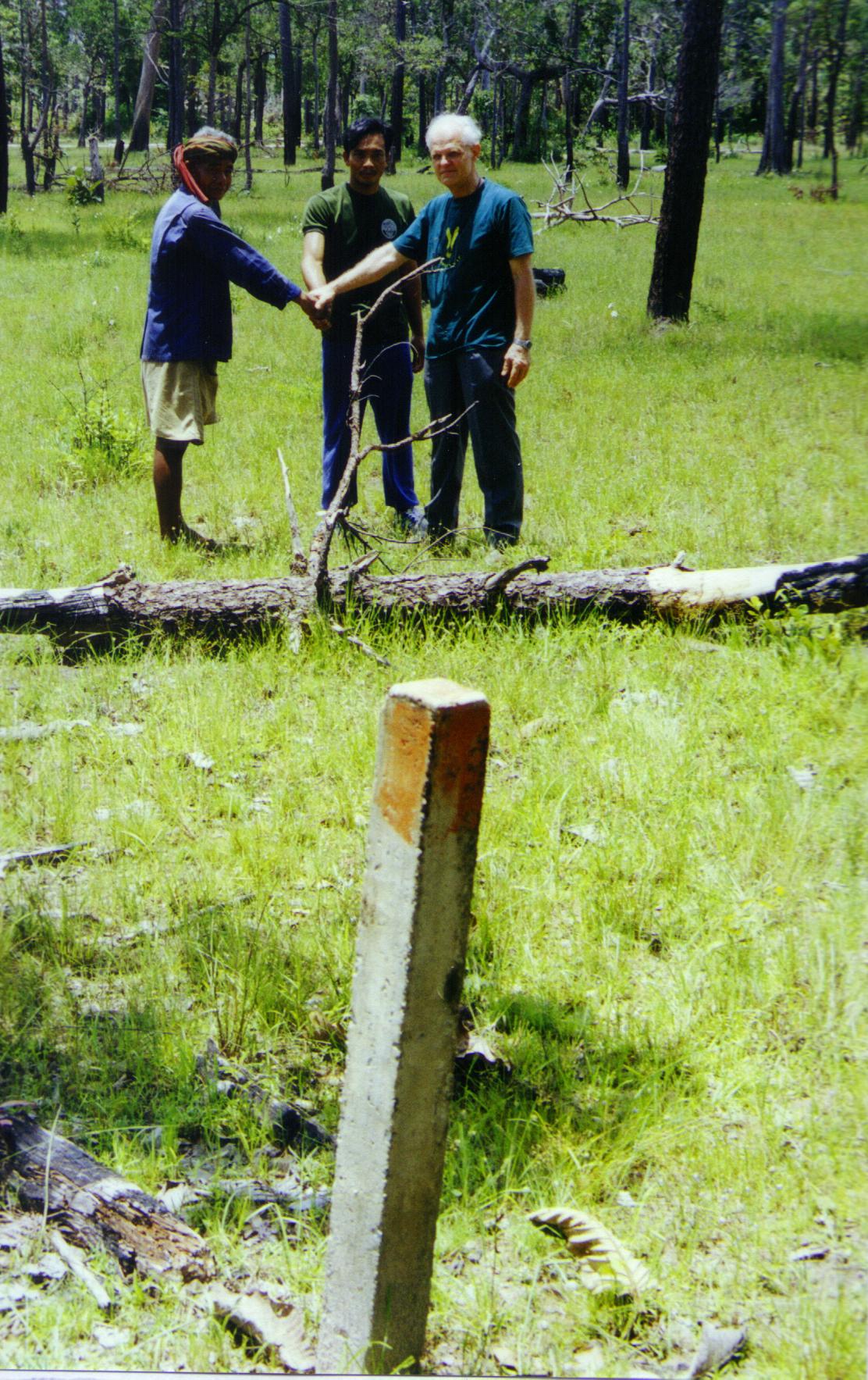
| Partnership can result in clear borders between zones each with a different management purpose. | ||||||||||||||||||||||||||||||||||||||||||||||||||||||||||||||||||||||||||
| Exchange of ideas, understanding and respect | ||||||||||||||||||||||||||||||||||||||||||||||||||||||||||||||||||||||||||
| Using RECOFTC's experience in outreach and extension, a start was made to reach out to officials of the RFD, ALRO (Agricultural Land Reform Office), NGO's (Non Governmental Organisations) and local people to facilitate the exchange of ideas and to create mutual understanding. The outreach programme of RECOFTC is based on a process of relationship building, creating confidence and trust. Embracing the same approach, FORGENMAP has employed RECOFTC, also being a DANCED partner, as local outreach consultant in this process. | ||||||||||||||||||||||||||||||||||||||||||||||||||||||||||||||||||||||||||
| A base training course was therefore held in Bangkok for staff of important stakeholder organisations in order to build skills and knowledge to work with communities.This was followed up by a workshop on each of the four sites, with participation from stakeholder organisations as well as local communities, equally represented as much as possible. | ||||||||||||||||||||||||||||||||||||||||||||||||||||||||||||||||||||||||||
| A frequently heard complaint on sites, of having "one more project" in the study area, is that of most projects are short lived, non-committed or with lack of continuity. The development of "equal partnership" may therefore well be an alternative for sharing responsibilityand securing long term aims for the conservation of forest genetic resources. | ||||||||||||||||||||||||||||||||||||||||||||||||||||||||||||||||||||||||||
| The intention was also to identify common interests among stakeholders. In this process it became clear, that for further progress a proper understanding by all of the terms used, must be ensured, such as what is covered by biodiversity, partnership, sustainability, preservation, conservation, forest genetic resources, multipurpose use of forests, alternative professions or lively-hood etc. Only with that in place, management options may be considered and drafted, through a participatory process involving all parties concerned. With clear definitions of responsibility as well as rights. | ||||||||||||||||||||||||||||||||||||||||||||||||||||||||||||||||||||||||||
| The 4 pilot areas are in different stages of building relationships, the northern pilot site in Chiang Mai, Mae Sanaam, first needs more regular meetings between foresters and the local administration office, and other meetings with the different village groups. The administrators felt mote confident after the workshops to be engaged in meeting with forestry officials as they now know who to approach. Villagers are still reluctant to join in the project, as the RFD is not clear about the subject of partnership and the area being proposed to be a National Park. This area needs conflict clearing in order to work towards cooperation, but also clear decision making what will be the status of the area. Khao Wong and Khao Pasaan have existing relations, with Khao Wong having a past of projects and community forestry and Khao Pasaan experiences with extension activities from the ALRO and alternative small-scale livelihood activities. Khong Chiam has a stronghold in the Community Forest Group of the Regional Forest Office in Ubon Ratchatani and is being included in ongoing activities of the area. | ||||||||||||||||||||||||||||||||||||||||||||||||||||||||||||||||||||||||||
|
||||||||||||||||||||||||||||||||||||||||||||||||||||||||||||||||||||||||||
|
||||||||||||||||||||||||||||||||||||||||||||||||||||||||||||||||||||||||||
| Biodiversity conservation versus destructive use of Pinus merkusii | ||||||||||||||||||||||||||||||||||||||||||||||||||||||||||||||||||||||||||
| Towards action plans (and what about actual management?) | ||||||||||||||||||||||||||||||||||||||||||||||||||||||||||||||||||||||||||
| Activity plans may be divided into different groups, such as: | ||||||||||||||||||||||||||||||||||||||||||||||||||||||||||||||||||||||||||
| Area and tree populations | ||||||||||||||||||||||||||||||||||||||||||||||||||||||||||||||||||||||||||
| - clear definition and commonly agreed demarcation of boundaries | ||||||||||||||||||||||||||||||||||||||||||||||||||||||||||||||||||||||||||
| - ecological surveys, including natural regeneration and identification of areas for rehabilitation | ||||||||||||||||||||||||||||||||||||||||||||||||||||||||||||||||||||||||||
| - monitoring and protection in broad sense | ||||||||||||||||||||||||||||||||||||||||||||||||||||||||||||||||||||||||||
| - identification of suitable mother trees for seed collection | ||||||||||||||||||||||||||||||||||||||||||||||||||||||||||||||||||||||||||
| - zoning for different uses | ||||||||||||||||||||||||||||||||||||||||||||||||||||||||||||||||||||||||||
| Social aspects | ||||||||||||||||||||||||||||||||||||||||||||||||||||||||||||||||||||||||||
| - continued extension and creation of confidence measures among communities, villagers and foresters | ||||||||||||||||||||||||||||||||||||||||||||||||||||||||||||||||||||||||||
| - creation of management/advisory committees | ||||||||||||||||||||||||||||||||||||||||||||||||||||||||||||||||||||||||||
| - creation of routines for meetings and decision making | ||||||||||||||||||||||||||||||||||||||||||||||||||||||||||||||||||||||||||
| Aspects of income and livelihood | ||||||||||||||||||||||||||||||||||||||||||||||||||||||||||||||||||||||||||
| - development of alternative sustainable means of subsistence with reduced dependence on forest products or based on sustainable/renewable supplies | ||||||||||||||||||||||||||||||||||||||||||||||||||||||||||||||||||||||||||
| - development of alternative means for cash generating income,including marketing of products | ||||||||||||||||||||||||||||||||||||||||||||||||||||||||||||||||||||||||||
| Research and development aspects | ||||||||||||||||||||||||||||||||||||||||||||||||||||||||||||||||||||||||||
| - in relation to introduction of framework species forbiodiversity rehabilitation | ||||||||||||||||||||||||||||||||||||||||||||||||||||||||||||||||||||||||||
| - improved natural regeneration techniques and maintenance | ||||||||||||||||||||||||||||||||||||||||||||||||||||||||||||||||||||||||||
| - seed collection/processing and plant production by simple local techniques of selected priority species for different end uses (conservation, wood production, non timber forest products etc.),applicable at village level | ||||||||||||||||||||||||||||||||||||||||||||||||||||||||||||||||||||||||||
| Commitment | ||||||||||||||||||||||||||||||||||||||||||||||||||||||||||||||||||||||||||
| In order to get the full involvement of all parties; every body has to pull a fair share and to be motivated. In case of the officials, this is only possible with a clear policy and approval plus support (funding and human resources) from RFD, and where relevant ALRO. Although activities must focus mainly on creating networks and strengthen links in the field, where stakeholders are engaging, the importance of central support is of course of equal importance for these pilot studies to be successful. | ||||||||||||||||||||||||||||||||||||||||||||||||||||||||||||||||||||||||||
| FORGENMAP's role, tasks and responsibilities | ||||||||||||||||||||||||||||||||||||||||||||||||||||||||||||||||||||||||||
| Clarification of its role and commitment within this pilot study has been a major criticism. Another point was that the project joined local activities at different stages, where local officials have taken care of the major important activity "confidence and trust building activities" in 3 of the 4 sites. FORGENMAP's strength lays in networking between the different groups, organising workshops and training, providing of knowledge. The local strength does not cost anything expressed in funding but it mainly requires getting in touch with one another and meet up regularly while creating a sense of trust and understanding. Reasons for these misunderstandings between all parties including the RFD were the activities FORGENMAP started to engage itself in. This has been discussed thoroughly at a recent seminar with representatives of all stakeholders. As part of the RFD the project/programme made clear that it would have similar responsibilities as any other serving government institute, however limited foreign budget may be available. Major tasks FORGENMAP will deal with are, workshop organising and funding, surveys and nature education activities training, preparing extension material, introducing the framework species concept, and providing of technical knowledge. FORGENMAP however argues that budgets are limited, and most of the involvement must come from voluntary input of the local stakeholders, as they will in any case remain in the area whatever happens. Argued by all is that everybody who can do something positive should do so, but better is to inform each other properly. In a small working group it was said that it is important that we should not hold back and discuss everything to clear things up and show how we all try and are not in the position to promise too much. One participant suggested not to discuss issues which are not certain, but the group disagreed and wanted to create a better understanding between all (local officials, field people) by opening up. Villagers, who will be informed continuously, have given this working group a green light in order to get things done. FORGENMAP calls this working group "advisers" who will meet up regularly, coordinated by the outreach officer of FORGENMAP. | ||||||||||||||||||||||||||||||||||||||||||||||||||||||||||||||||||||||||||
| Policy | ||||||||||||||||||||||||||||||||||||||||||||||||||||||||||||||||||||||||||
| An important aspect of central concern is the legal status of the areas developed for in situ conservation of forest genetic resources, but with a multiple end use management profile. A status of "Managed Nature Reserve" according to IUCN category no IV is recommended. | ||||||||||||||||||||||||||||||||||||||||||||||||||||||||||||||||||||||||||
| In the case of finding support from the RFD, during the seminar held last July, no obstruction from RFD has been encountered, but no green light given either. The RFD appreciated the ongoing activities and the relationships being build up between the different stakeholders. Alternative activities, local produce and knowledge used for education of youth, as well as nature education, training for guides and the development of trails is supported and being urged to develop. In any case a management plan will have to be developed and submitted for ratification. | ||||||||||||||||||||||||||||||||||||||||||||||||||||||||||||||||||||||||||
|
||||||||||||||||||||||||||||||||||||||||||||||||||||||||||||||||||||||||||
| FORGENMAP (in Thai) | ||||||||||||||||||||||||||||||||||||||||||||||||||||||||||||||||||||||||||