


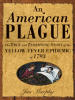
Another reason why the book is worthy of such recognitions is the way in which the content is presented. The author is careful to present the information with accuracy and appeal. He describes the plague of the yellow fever as a �silent killer� on the loose, and explains that the disease is a mystery and no one knows how to stop it. The inside cover description has the appeal of a mystery book, and Mr. Murphy seems to be conversing with the reader through his writing. The descriptions of the people suffering of the disease can be quite grotesque at times (�agonized gasps and groans...stomach felt as if it were burning up...would vomit a foul black pile...�), but the author shows tremendous skill in portraying an image to the readers which is necessary to express the gravity of the situation. The book is not simply a documentary, which can tend to be boring at times, but a story often seen through the eyes of people who lived it. The author makes use of journals, letters, and biographies to present only the most accurate information to readers.
This is truly a valuable book on tragic and historical events which teachers and librarians must make part of their collections. The description of the victims� symptoms will surely make readers feel grateful that such a disease has been conquered.
Murphy, Jim. 2003. An American Plague: the true and terrifying story of the yellow fever epidemic of 1793. New York: Houghton Mifflin Company. ISBN 0-395-77608-2.
