|
detail what the travel west and the settling-in experiences were like. For example, we are told that the trip could take �six to eight months on the trail� and that it was quite common for babies to be born during these trips. It was also common for some pioneers to die from cholera or typhoid fever and to be buried at some location by the side of the trail. Upon arriving at their destination, came the arduous task of settling in and building homes. For the Indians, life was different but equally harsh. Perhaps the toughest experiences they had to endure were those of losing their land and traditional ways of life. Over the years, the white man took more and more of the land they lived in, and offered them only reservations. �All along, the Indians were being urged to give up their traditional ways,� and even their way of dressing was being urged to change. Some reservations built brick houses for them, but some of them used these �for storage and continued to live in their tipis�. The author�s choice of photographs remarkably shows us the results of these events. On pages 54-57, we see opposing pictures of Native Americans upon arriving at boarding schools, and their appearance 14-15 months later. The difference in their clothing and hair is quite noticeable. It was believed that in order to succeed in the United States, they would need to be educated and resemble more the American way of life.
In the following chapter (�Frontier Schools�), both students and teachers may be able to relate to the content, and make some comparisons of life in the classroom today and in the 1800's. The author is able to make his audience (students) more clearly understand what life for children of the wild west was like by informing them about life in school. Teachers will enjoy learning the kind of life that teachers might have experienced when teaching in the 19th century. For example, they may find it interesting to learn that back then, teachers were in such demand, that �they had only to pass simple examinations in basic subjects.� More surprisingly, some schools were willing to accept �almost anyone who was willing to take on the job.� Mr. Freedman makes sure to include a little bit for everyone in this very complete account of life in the frontier.
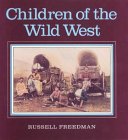
Freedman, Russell. 1983. Children of the Wild West. New York: Clarion Books. ISBN 0-89919-143-6. |
|