



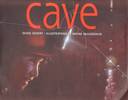
Siebert, Diane. 2004. Cave. Hong Kong: South China Printing Company. ISBN 068816448X.

|
|
|
|
|
|
|
|
|
|
|
|
|
|
|
|
|
|
|
|
|
|
||||||||||||||||||||
|
||||||||||||||||||||
|
||||||||||||||||||||
| Cave (By Diane Siebert) | ||||||||||||||||||||
|
||||||||||||||||||||
| �Cave� is a deliciously educational book full of advanced and precise vocabulary. Each poem deals with the wonders of limestone caves and the beings who dwell within. Diane Siebert and illustrator Wayne McLoughlin have paired up to create a most fascinating science lesson on speleology. The poems, or actually one long poem, is arranged in chronological order starting from when a cave is just forming at the bottom of the ocean. �I am the cave, And at my core/A sea once was that is no more� is | ||||||||||||||||||||
| how the poem begins, and the accompanying illustration features an underwater landscape of prehistoric sea creatures. The poem describes how �shifting continents brought change� and began creating a cave. The process continues on the following page where �throughout the eons I evolved, My limestone, bit by bit, dissolved...� Throughout the poem, readers are exposed to the advanced vocabulary dealing with caves, and a great experience in poetry. The tone of the poem is very solemn and at times even mysterious. The narrator is the cave itself, and readers can sense that the cave is proud of its wondrous existence. Despite its pride, though, readers might also sense the sadness the cave feels about the cold loneliness within. �My ceilings cry their endless tears/That fall throughout the endless years, Each droplet leaving just a trace/of sparkling crystal in its place. The rhythm and flow of the author�s words are truly remarkable and just beg to be read out loud. The illustrations, created with acrylics on four-ply boards by Wayne McLoughlin, range from dark and mysterious to vividly colorful. The opening image features the dark cave as seen from the bottom up, and most of the colors used for that painting are purple, black, and gray. The painting provides a sense of quiet mystery and eerie loneliness. However, as time evolves this dark place into a life dwelling, we see how beautiful and colorful birds make their home out of this same cave. As the cave narrates, �My entrance welcomes many guests/And holds the little muddy nests/of swallows that dart gracefully/Around that sunlit space of me,� the illustrator provides us with a painting of two swallows whose bluish-green and red-orange plumage delights viewers. In this way, both the author and illustrator show us how time has evolved and seasons changed. It is interesting to note that as the poem describes the evolution of the cave, so do the paintings that accompany it. According to School Library Journal, the vocabulary in this book �is at once challenging and understandable in context...breathtaking paintings further reveal the intricate mysteries of this dark world...� At the end of the book, readers have access to a list of all the vocabulary the book introduces. This book, hundreds of millions of years in the making, is an excellent addition to any collection and a fantastic experience to anyone who loves science and poetry. Siebert, Diane. 2004. Cave. Hong Kong: South China Printing Company. ISBN 068816448X. |
||||||||||||||||||||
| http://www.backgroundcity.com/ | ||||||||||||||||||||
|
||||||||||||||||||||
|
||||||||||||||||||||