


Selector
RF Amplifier
Power converter
Speaker
Tubes
Service Notes (for related 931 model)
|
|
|
|
|
|
|
|
|
|
|
|
|
|
|
|
|
|
|
|
|
|
|
|
|
|
|
| Model 930 Equasonne | ||||||||||||||||||||||||||
|
||||||||||||||||||||||||||
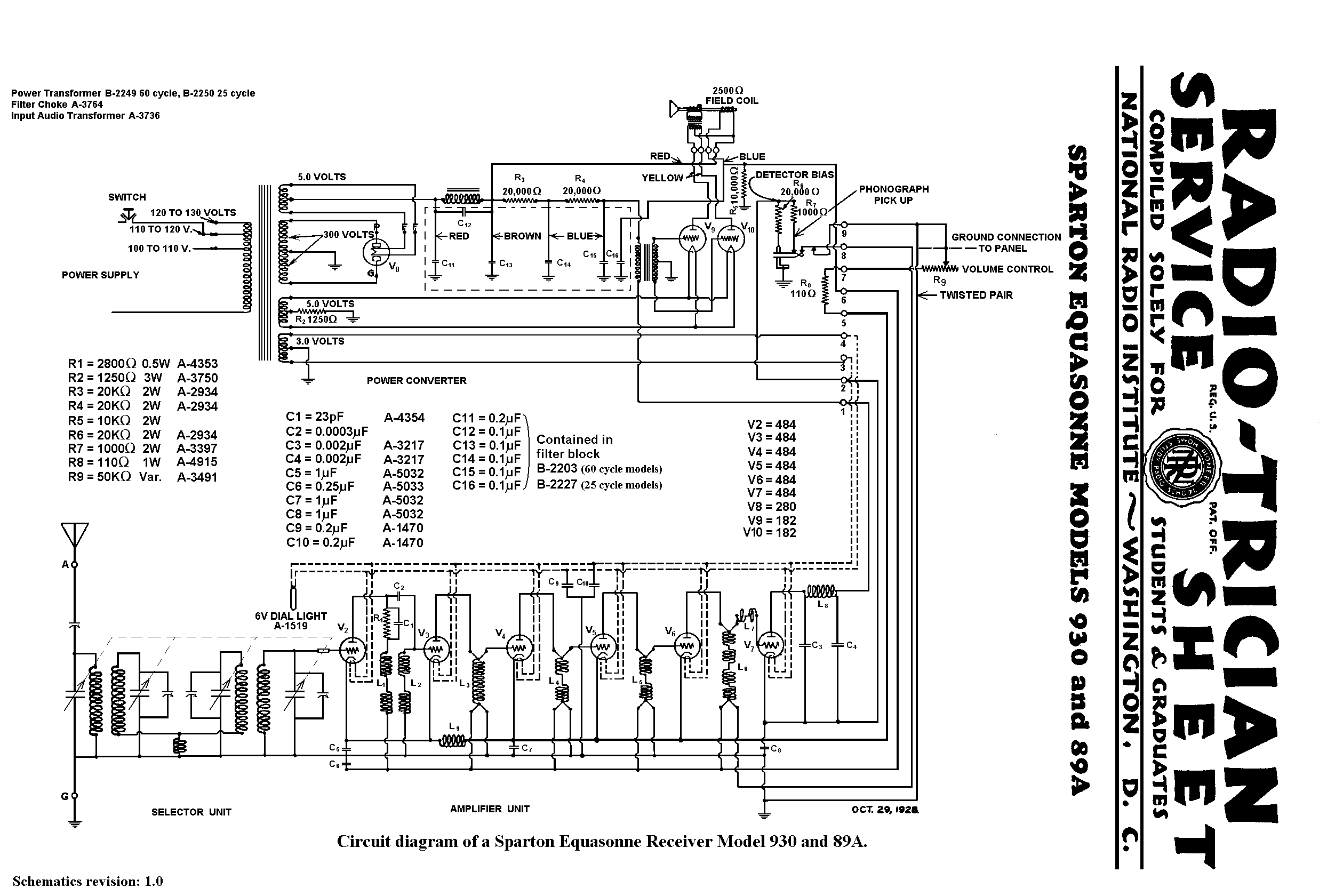
| Download schematics for the 930 model. Selector RF Amplifier Power converter Speaker Tubes Service Notes (for related 931 model) |
||||||||||||||||||||||||||
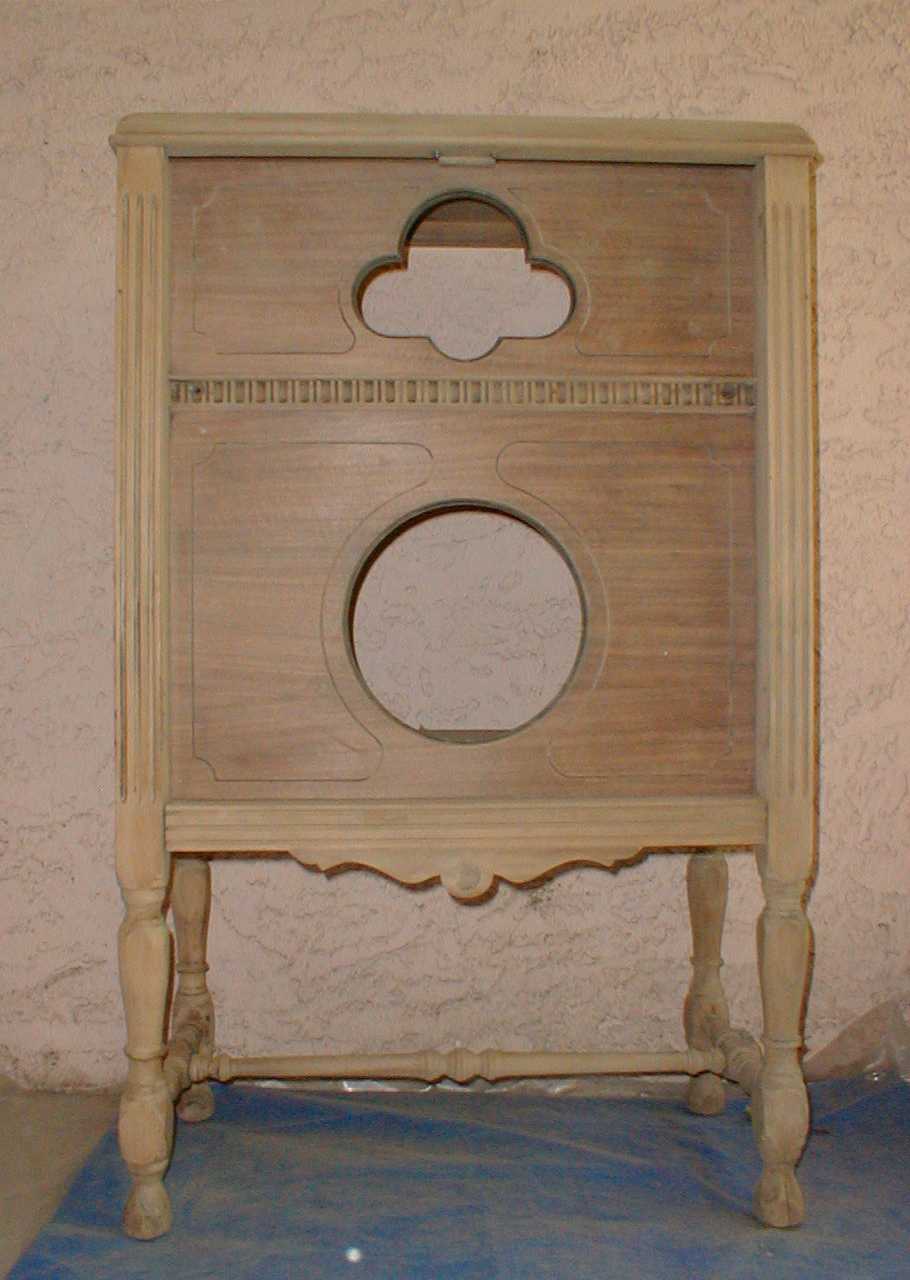
| The cabinet (minus its doors) of my 930 Equasonne, before refinishing. | ||||||||||||||||||||||||||
|
||||||||||||||||||||||||||
|
||||||||||||||||||||||||||
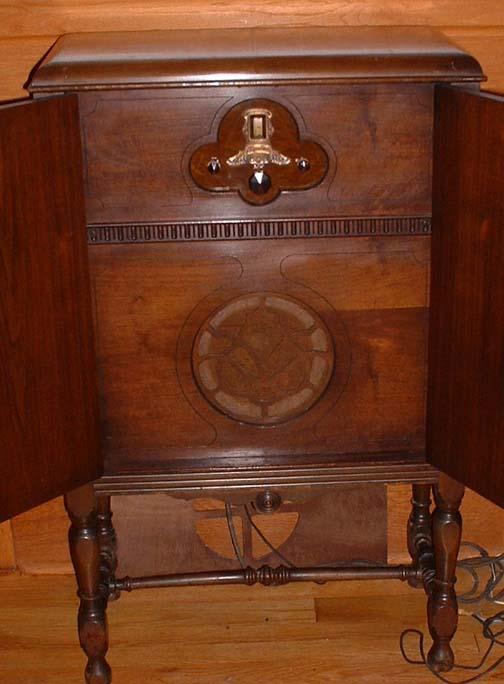
| Sparton 930 with doors open. Photo courtesy of Mark Palmquist. | ||||||||||||||||||||||||||
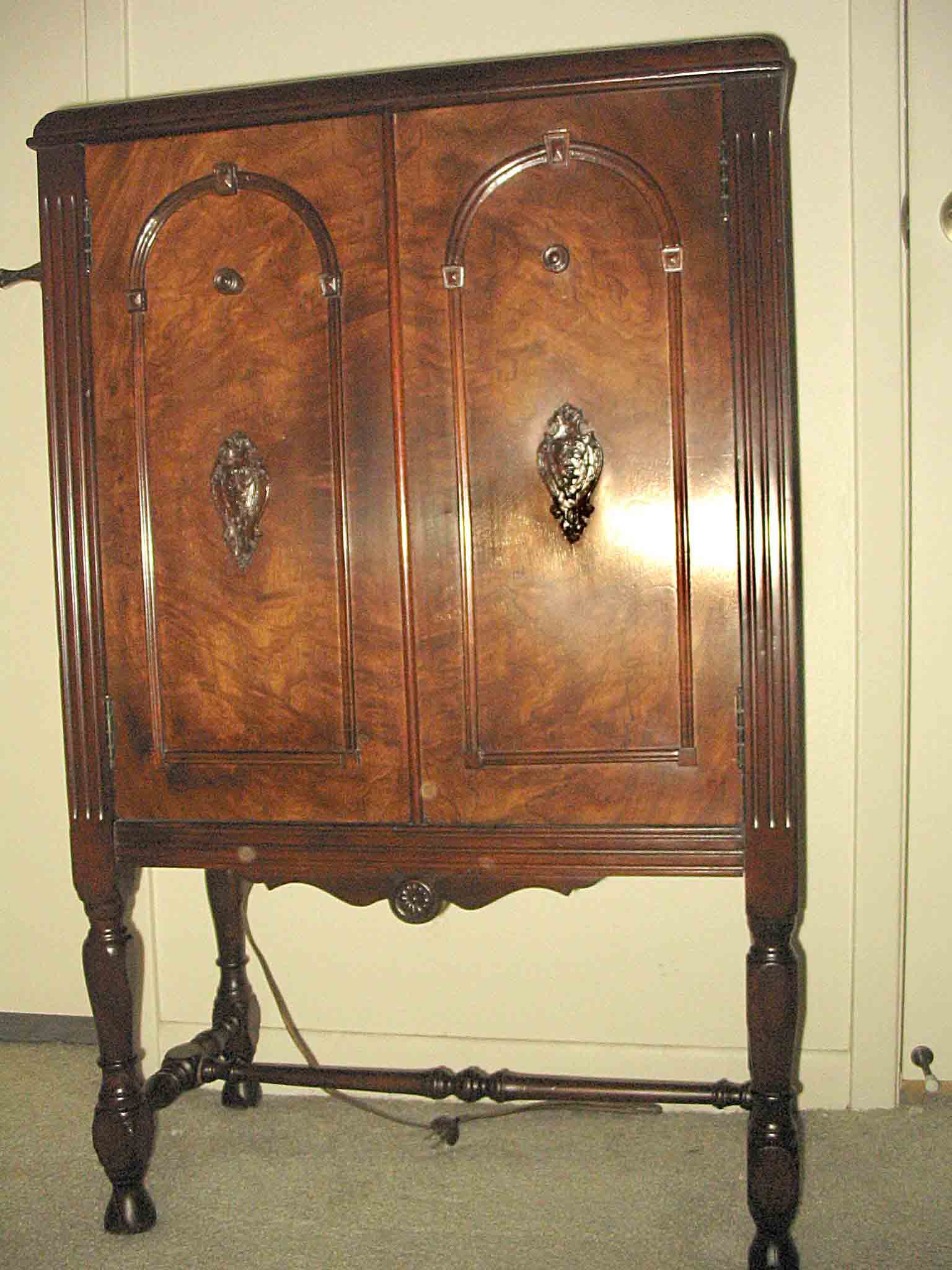
| My 930 Equasonne after refinishing. | ||||||||||||||||||||||||||
|
||||||||||||||||||||||||||
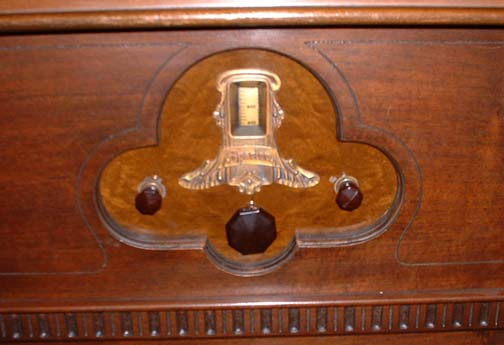
| Sparton 930 faceplate. Photo courtesy of Mark Palmquist. | ||||||||||||||||||||||||||
| The model 930 (manufactured 1927-1929) is similar to the model 931AC which replaced it. The electronics of the 2 models are very similar and differ mainly in the construction of the filter cirucit in the power converter unit, the 931 taking advantage of larger value primative wet electrolytics that had become available, which greatly simplify and probably improved the circuit. The 930 and probably the model 89A have virtually the same RF amplifier and selector units as many other models, but there are some minor differences. | ||||||||||||||||||||||||||
|
||||||||||||||||||||||||||
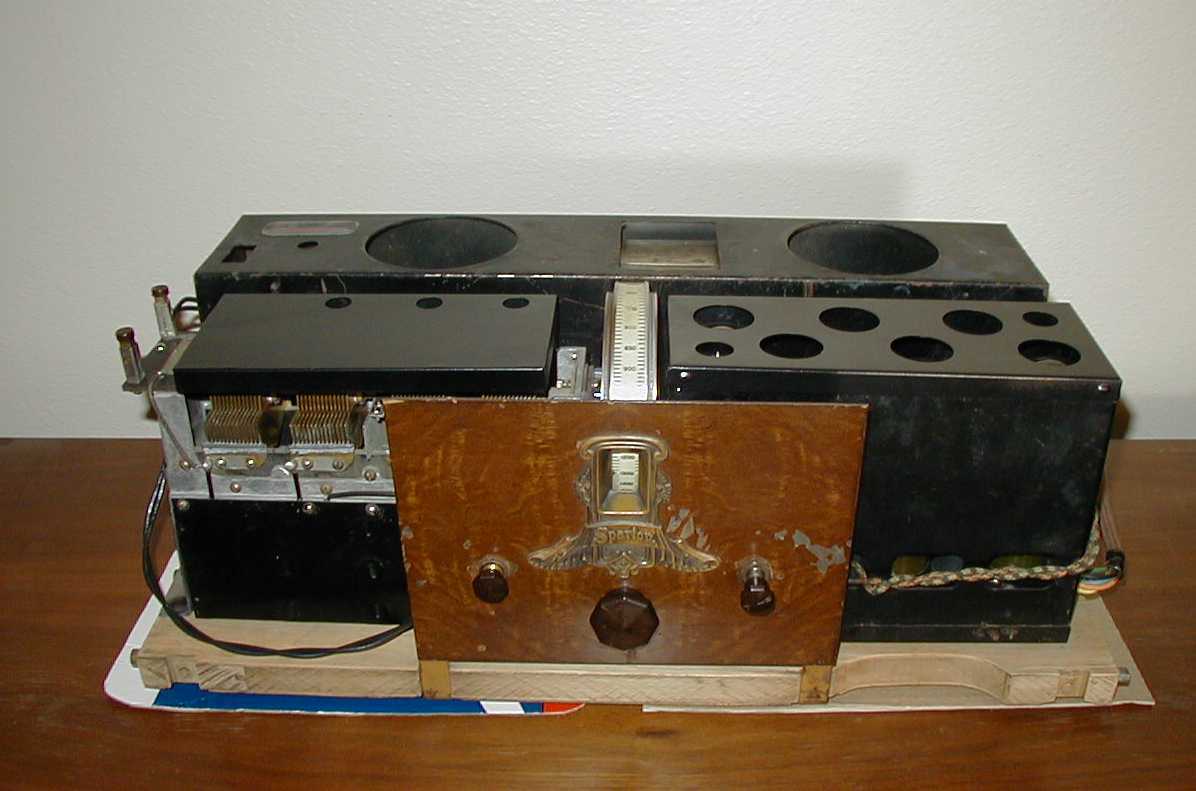
| The restored and reassembled chassis of my 930 Equasonne. The long black box at the back is the power converter unit, which also contains the power output tubes. At the front left is the selector unit with the 4 ganged tuning condensors, 2 of which are visible under the upper shielding. The rotating tuning drum with the dial scale is part of this unit. At the front right is the RF amplifier unit. The lid (with 8 holes) on this unit is removable to enable access to the tubes. It must be left in place during operation. | ||||||||||||||||||||||||||